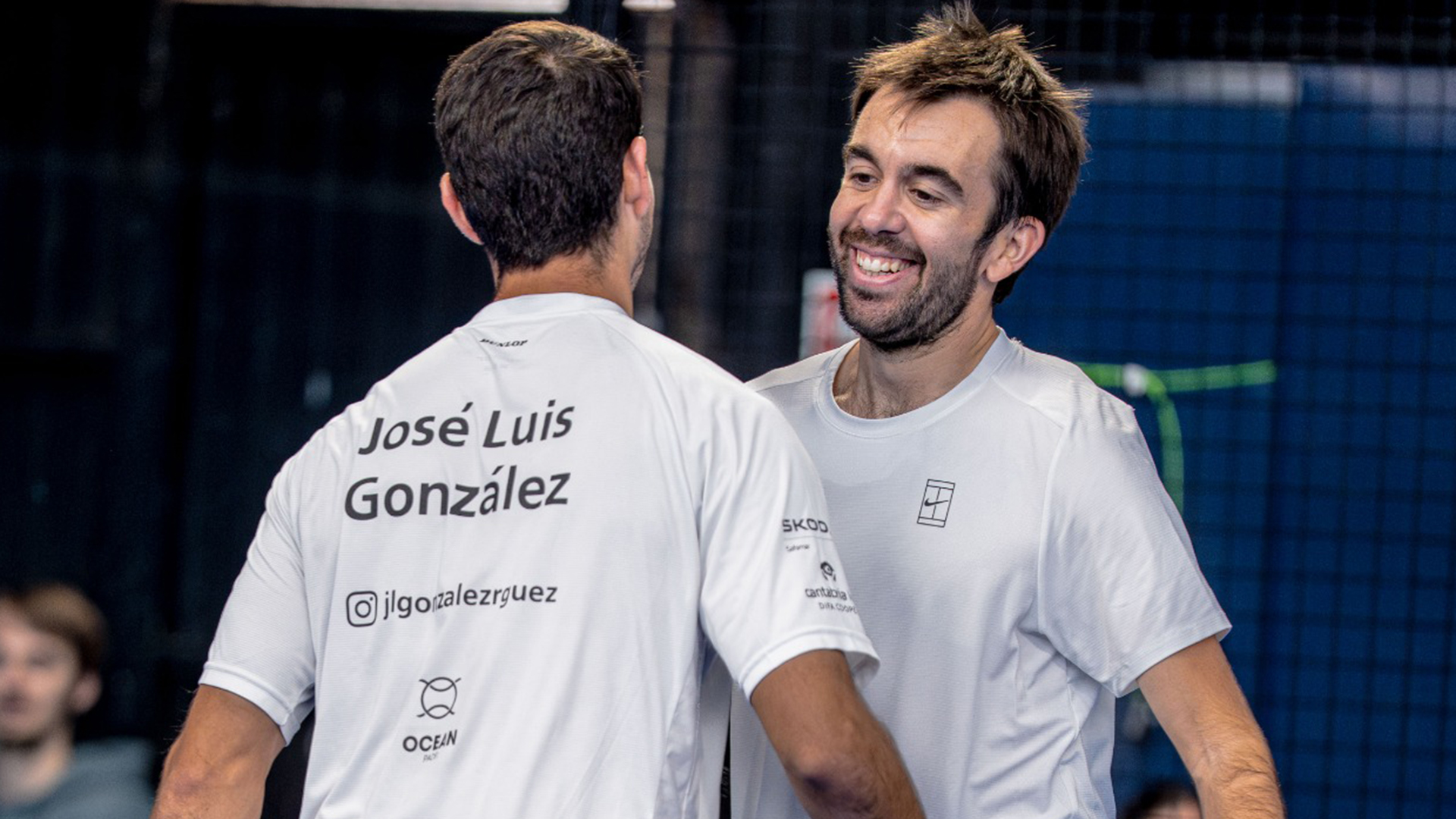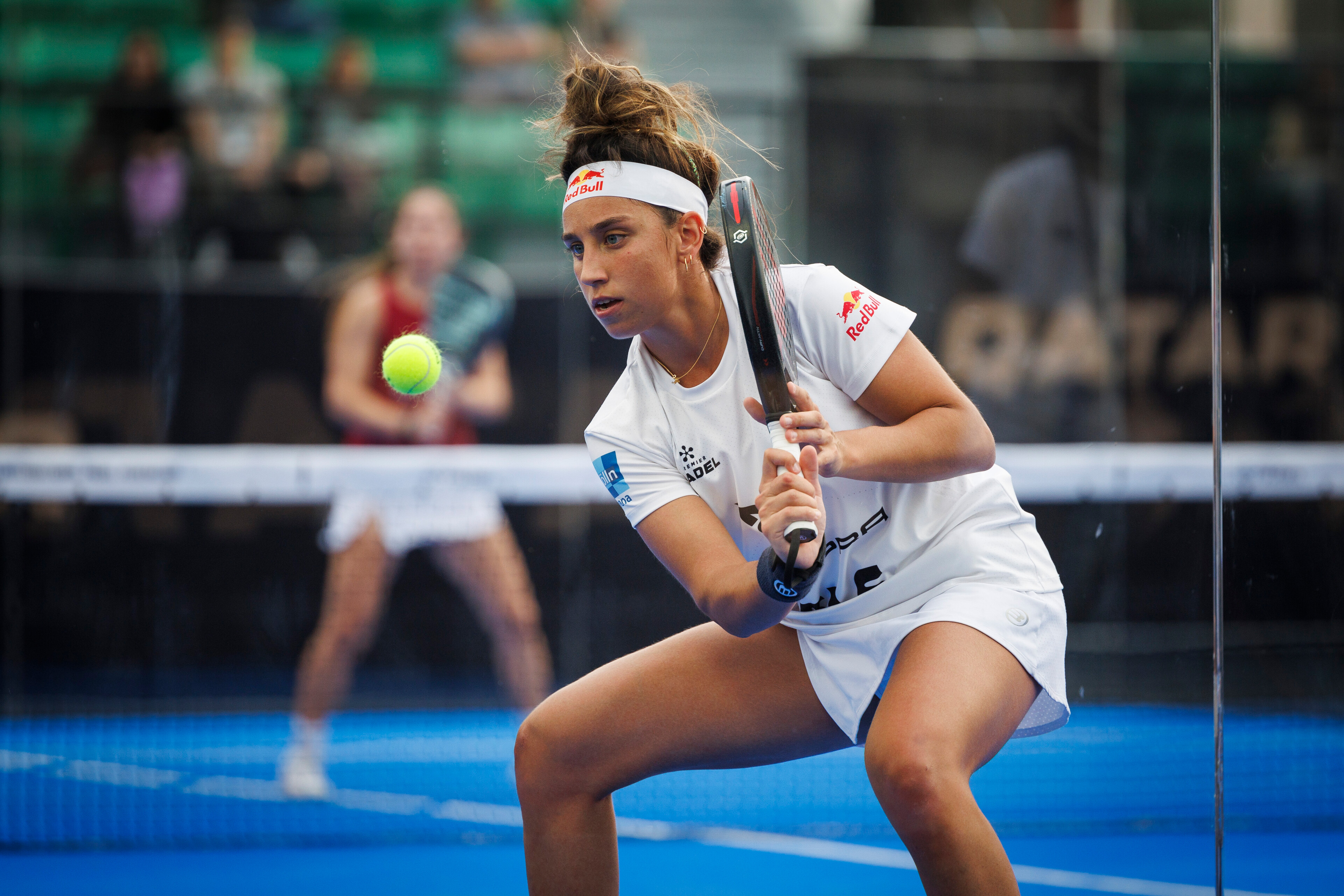

Padel, or pádel in Spanish, is the racquet sport that turns every point into a spectacle. Picture tennis meets squash, played mostly in doubles, inside a compact enclosed court where glass and mesh walls are not obstacles, they are weapons. The scoring feels familiar because it follows tennis, but the action is pure padel, fast, tactical, and packed with rebounds that keep rallies alive.
The equipment sets the tone immediately. Instead of strings, players swing solid, perforated rackets that deliver crisp, controlled shots. And those walls? After the ball bounces, it can ricochet off the glass and stay in play, opening up wild angles and sudden counterattacks. Even the serve brings its own twist, always underarm and struck at or below waist level into the opposite court. One key service rule stands out: if the served ball bounces and then touches the wire fence, it is a fault.
The sport’s origin story begins in Mexico, where it is widely believed Enrique Corcuera created padel in Acapulco in 1968 by adapting a squash court with elements of platform tennis. Early courts used concrete walls and surfaces, but visibility and the spectator experience pushed the evolution toward transparent glass walls and artificial turf, turning padel into the viewer friendly, highlight reel sport it is today.
From those beginnings, padel exploded in popularity, especially in Spain and Argentina, and the numbers now tell a global story. According to the International Padel Federation (FIP), as of 2023 there are more than 25 million active players across more than 90 countries. The momentum is also big business, with the global padel market valued at around €2 billion in 2023.
Padel’s biggest national team showcase, the Padel World Championship, has been held every second year since 1992. And the title fights have had familiar giants, with Argentina always reaching the final, joined by Spain or Brazil in every edition’s championship match.
The sport’s growth accelerated sharply during the COVID 19 pandemic, helped by the fact it could be played outdoors and without physical contact. It also stepped onto a wider multi sport stage at the 2023 European Games in Kraków, Poland and nearby. Looking ahead, the FIP has its sights set on the Olympic dream, aiming for 75 national federations as part of the push toward inclusion in the 2032 Summer Olympics in Brisbane, Australia.
Clubs are racing to keep up because padel is also space savvy, with three padel courts often fitting into the footprint of a single tennis court. That efficiency is fueling conversions worldwide. In the United States, building a padel court typically costs between $60,000 and $80,000, and Deloitte projected in 2023 that the number of padel courts could reach 84,000 by 2026.
On court, the standard doubles setup uses a 10 by 20 meter playing area, while singles is played on a narrower 6 by 20 meter court. However it is configured, the heart of padel stays the same, nonstop action, wall assisted creativity, and the kind of point construction that can flip from defense to attack in the blink of an eye.