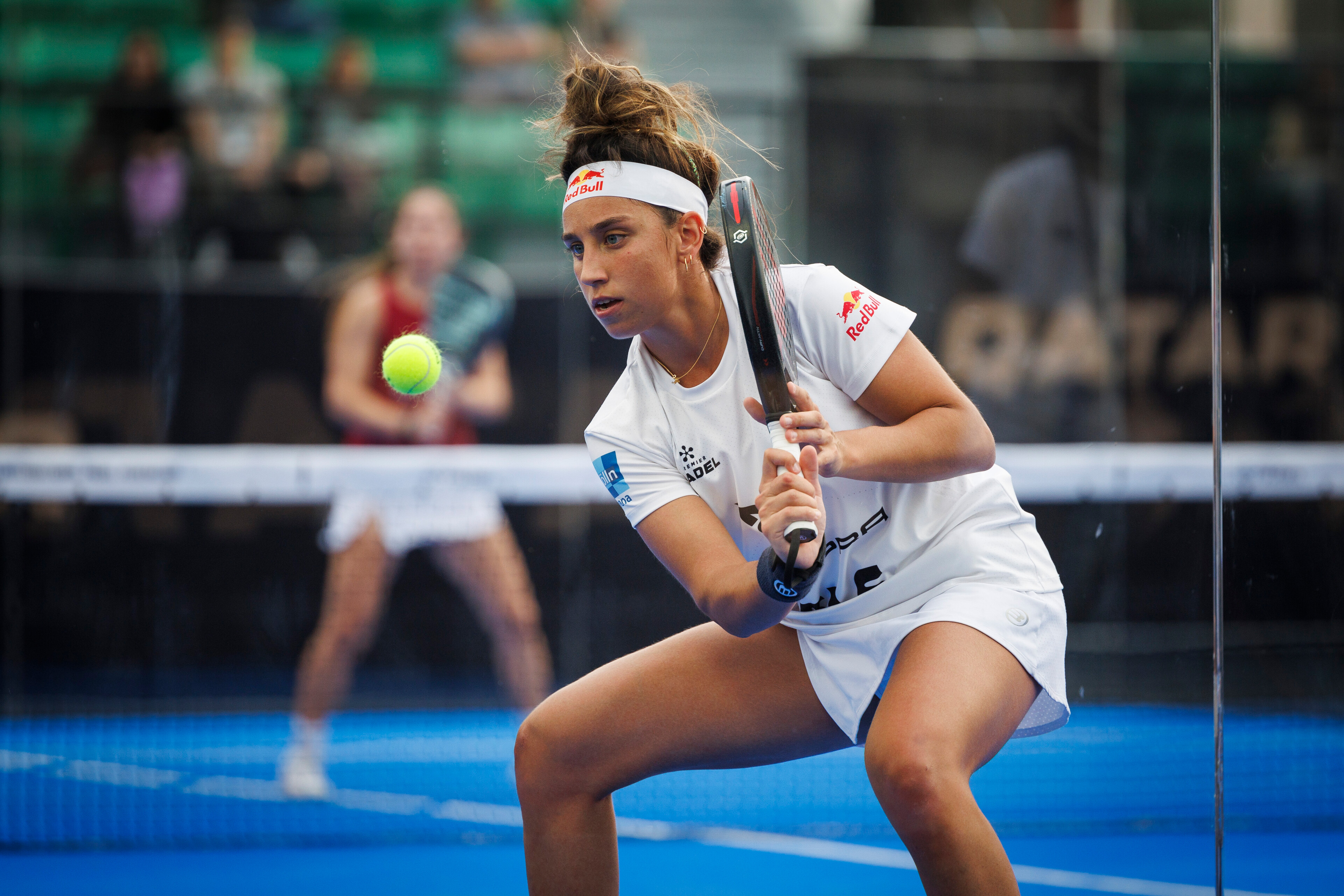
Padel isn’t just “on the rise” — it’s rocketing. The International Padel Federation (FIP) says around 25 million people now play across the globe, with the sport thriving from grassroots hangouts to full-throttle pro showdowns, especially in Mexico, Argentina and Spain. And it’s not confined to a handful of hotspots either: FIP estimates there are padel courts in more than 90 countries.
Want to see why everyone’s talking? Tune into the elite professional circuit, Premier Padel, broadcast on Red Bull TV across an almost year-long season. Each of the 24 stops is streamed live, with every match available from the quarter-finals onwards. Check whether Red Bull TV coverage is available in your country; if it’s not listed, your local listings are the next stop.
So what exactly is padel — and why does it look familiar yet feel totally different once the rally starts?
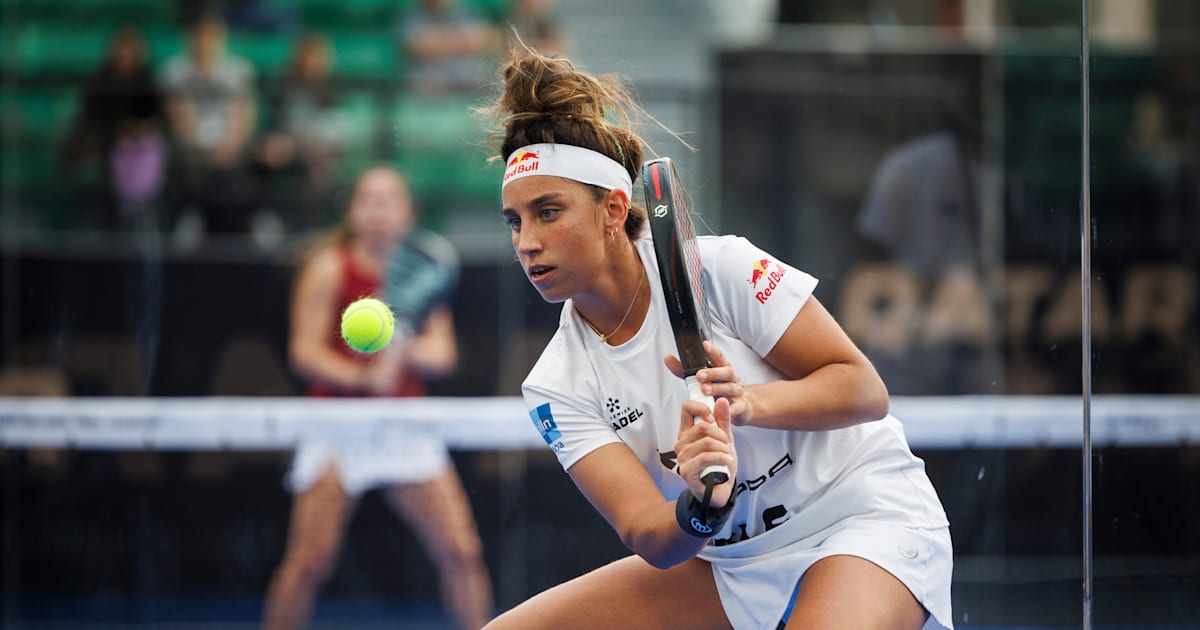
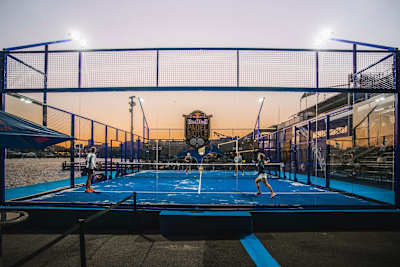
01 What is padel? Padel is a racket-based ball sport with the best of two worlds: the structure and net play of tennis, fused with the enclosed, rebound-ready chaos of squash. The court looks tennis-like with a net splitting the middle, and the objective is classic: send the ball over the net into your opponent’s side with your racket.
But here’s the twist — the walls and fence aren’t just boundaries, they’re weapons. In padel, players can keep points alive by playing the ball after it rebounds off the wall/fence, turning rallies into fast, tactical chess matches at full speed.
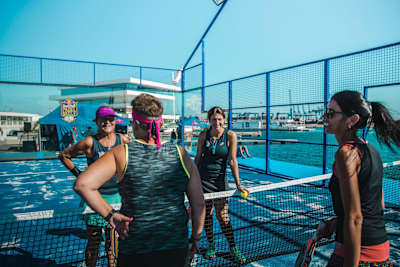
Most padel is played as doubles — four players, two per side — a nod to the game’s social DNA. It can be played one-on-one too, but the doubles format is where the sport’s signature energy really lights up.
02 The differences between tennis and padel Anyone watching padel for the first time will instantly feel the tennis influence — the net, the rally shape, the point construction — but the differences hit quickly, and they’re decisive. The headline change: padel is played in an enclosed court, and those walls/fence are in play.
Here are the key differences you’ll notice: - Court size: A padel court is smaller than a tennis court, and it doesn’t use the same line markings. - Enclosed walls/fence: They’re part of the court and actively shape how points are won. - Racket: A padel racket is similar in shape to a tennis racket, but smaller and not strung. - Balls: Padel balls look like tennis balls but are smaller in diameter. - Serving: The serve is underarm in padel, not overhead like in tennis. - Technique: Padel isn’t as power-based as tennis — placement, angles and smart use of the walls rule the day.
03 Where did padel begin? The modern game traces back to Mexico, where Enrique Corcuera is widely regarded as padel’s founding figure. In the late 1960s, Corcuera built a court at his home in Acapulco for a racket-based ball game — setting the spark that would eventually ignite into today’s global padel boom.