Padel isn’t just growing—it’s surging. The International Padel Federation (FIP) says around 25 million people now play the sport worldwide, with booming scenes at both grassroots and pro level in powerhouses like Mexico, Argentina, and Spain. And it’s not confined to a few hotspots: FIP estimates there are padel courts in more than 90 countries, fueling a global rise that’s hard to ignore.
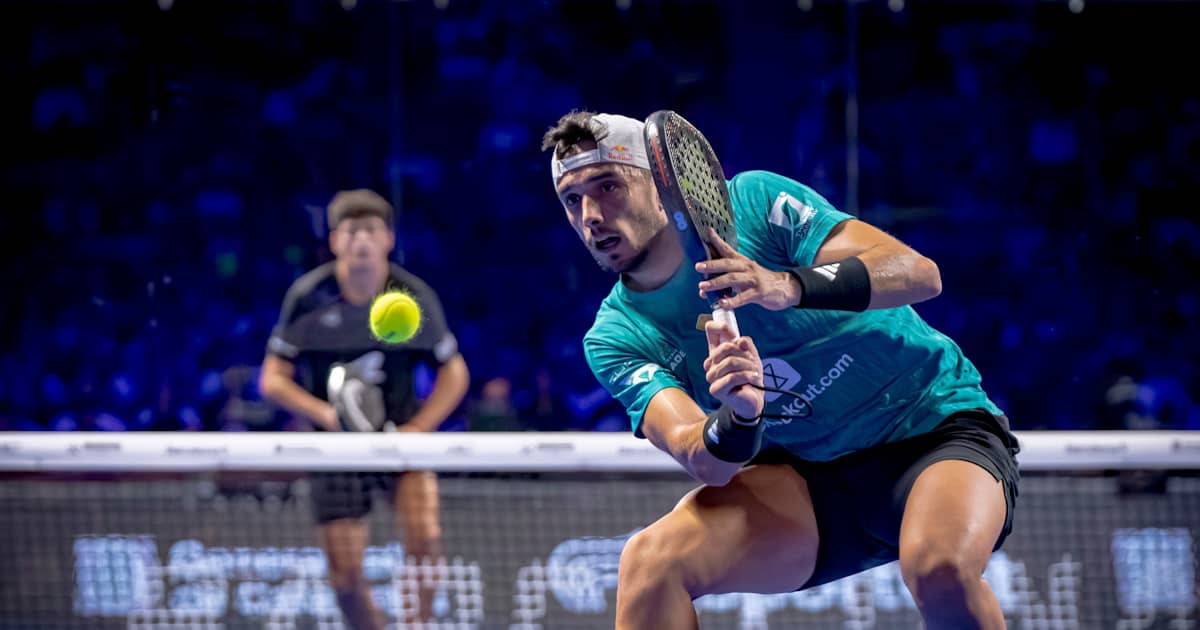
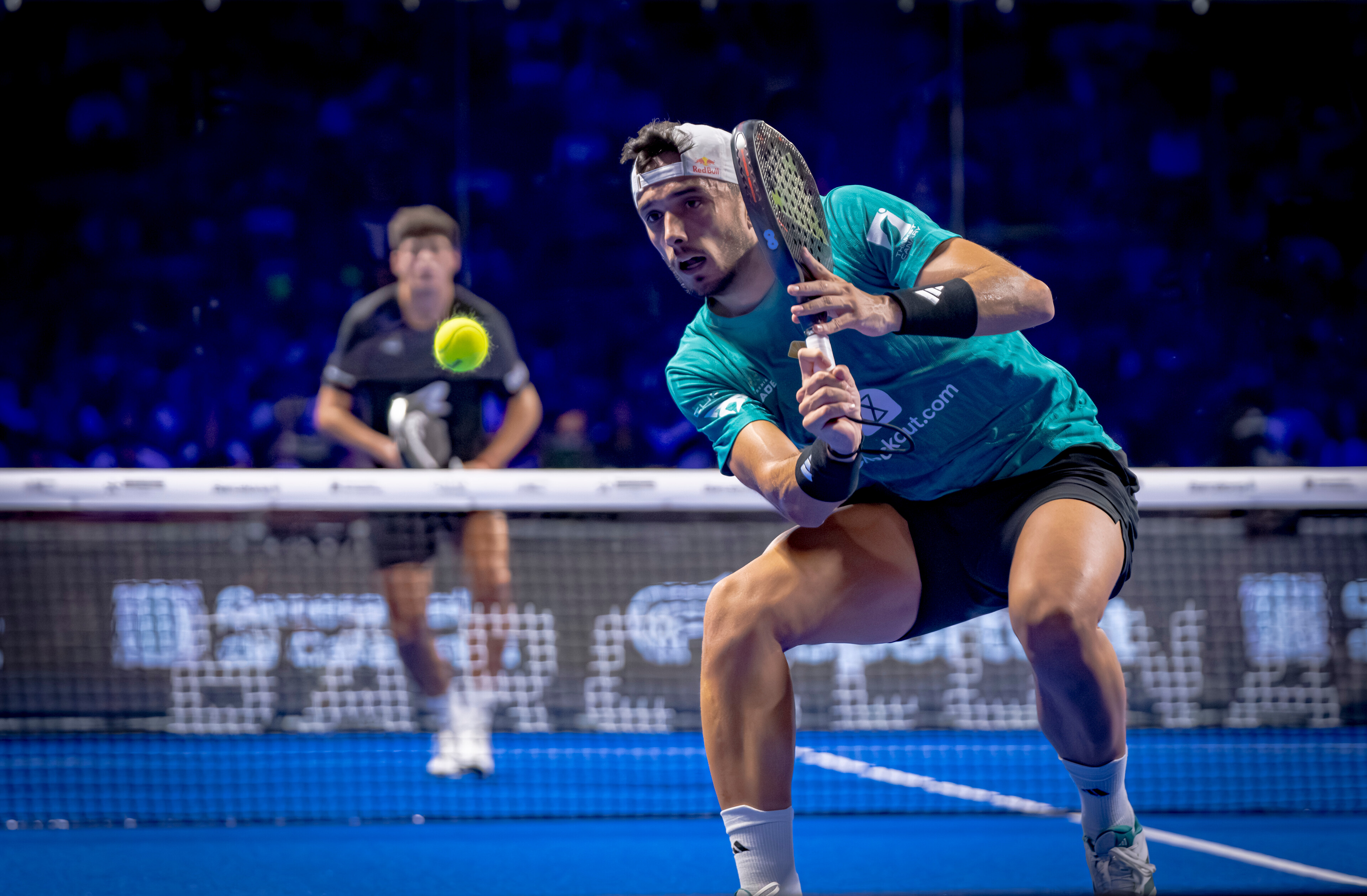
At the top of the pyramid, the elite Premier Padel tour brings the sport’s biggest stars and loudest arenas to fans around the world. The near year-long season is broadcast on Red Bull TV, and from the quarter-finals onward—at all 26 tour stops—you can watch the drama unfold live. (Availability depends on your country, so it’s worth checking the official listings.)
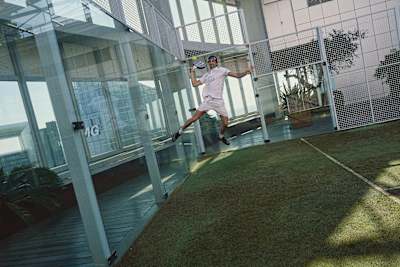
So what exactly is padel? Think of it as the perfect collision of tennis and squash. You’ve got the net, the head-to-head tactics, and that familiar battle for space like tennis—but it all happens inside an enclosed court, where the walls and fence aren’t just background… they’re weapons. In padel, the ball can bounce off the walls/fence and the point is still alive, creating frantic scrambles, sneaky angles, and rallies that refuse to die.
Padel is usually played as doubles—four players, two per side—which adds to the sport’s social DNA. It can be played as singles too, but doubles is where padel’s personality really shines: constant communication, quick reactions, and teamwork under pressure.
If you’re coming from tennis, you’ll recognize the flow immediately—but padel has its own twists that change everything. The court is smaller than a tennis court and it doesn’t use the same line markings. The enclosed walls and fence are part of the playing area, meaning rebounds are fair game and strategy expands in every direction. The racket looks like a tennis racket at first glance, but it’s smaller and not strung. The balls look similar too, though padel balls are smaller in diameter than tennis balls. Serving is also a major change: in padel, serves are underarm rather than overhead. And while tennis often rewards raw power, padel leans more toward control, placement, and sharp decision-making.
Padel’s modern origin story begins in Mexico. Enrique Corcuera is widely regarded as the founder of the game as it’s played today. In the late 1960s, he built a court at his home in Acapulco for a racket-based ball game—but because of property constraints, the court was smaller than a tennis court. With tennis balls flying out when overhit and causing trouble beyond the walls, he adapted the space and the concept… and a global phenomenon was born.