

The Par 3 and Par 4 System
Summary
Advanced point construction methodology
The Par 3 and Par 4 System in Padel: An Advanced Point Construction Methodology
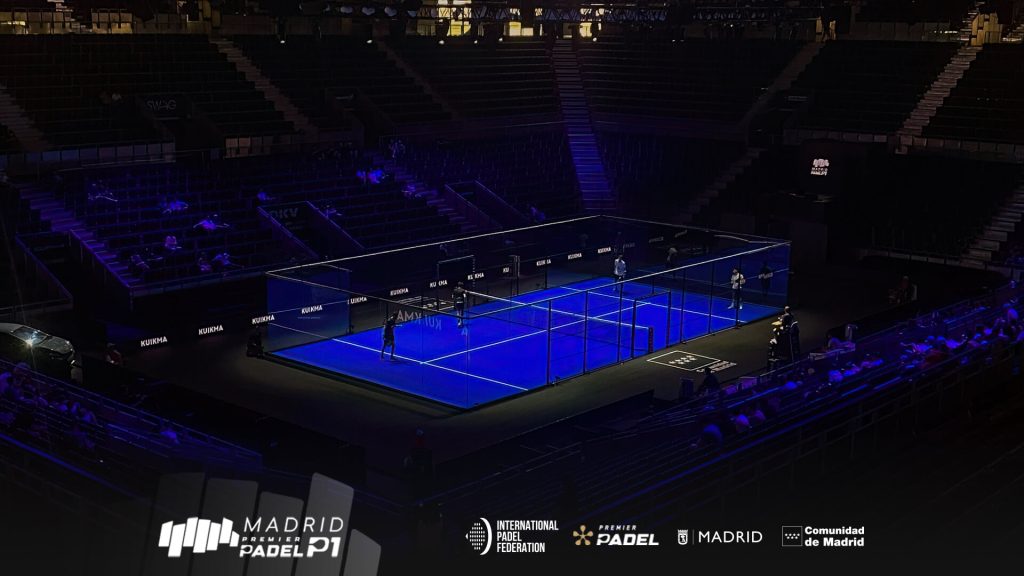
Professional padel has evolved over the years into a highly strategic game, much like golf in its scoring system. One of the most important concepts that advanced players must understand and implement is the 'par' system, which categorizes point construction into three levels: Par 3, Par 4, and Par 5+. This methodology allows players to devise tailored strategies against varying opponents and match situations, bringing the essence of tactical awareness to a new level. In this lesson, we will delve into the intricacies of the Par system and how it relates to effective point construction in padel.
Understanding the Par System
The par system in padel is an innovative way to approach each point. Players are encouraged to decide their 'par' level before each serve. The three main categories—Par 3, Par 4, and Par 5+—each come with specific tactical advice:
- Par 3: This is an aggressive approach where the objective is to finish the point quickly.
- Par 4: A more standard pattern that allows for rallies and transitions between plays.
- Par 5+: This extended construct encourages patience and strategic play over longer rallies.
By understanding and applying this system, players can incorporate advanced tactics that cater to the dynamics of the match and adapt to the mentality needed to win points effectively.
Par 3: Serve + Volley + Finish
The Par 3 approach is vital for players looking to take command of the match early. Characteristics of a Par 3 point include:
- Aggressive Serving: The server must serve with intention, aiming for weak returns or direct winners.
- Quick Follow-up: Immediately after serving, the player should anticipate the return and be ready to volley.
- Finish the Point: The ultimate goal is to end the point within two shots—serve and volley towards an open space or exploit the opponent's weakness.
Execution of a Par 3 requires precision and awareness. Strong servers like Juan Lebrón are known for their Par 3 strategies, often finishing points swiftly. To effectively execute this strategy, consider the following:
Key Techniques
- Placement of the Serve: The serve should target either the opponent's body or corners, forcing difficult returns.
- Anticipation: React quickly to the return; this might require a split-step to gain better positioning.
- Net Positioning: Move towards the net aggressively after serving to cut off angles for the return.
Practice Drills
To master the Par 3 approach, players should engage in targeted drills. Use the following game practice:
- Drill Name: Par 3 Quick Finish
- Participants: Two players
- Steps:
- Stand at the service line. The server serves to the opponent.
- The server immediately rushes to the net after the serve.
- The receiver returns the ball, and the server attempts to volley the ball to finish the point.
- Repetitions: 10 serves each, alternating roles.
Additionally, consider introducing varied serves such as slice or topspin to keep opponents guessing and off-balance, enhancing the Par 3 strategy's effectiveness.
Par 4: Serve + Rally + Transition + Finish
The Par 4 strategy is useful in situations where players feel outmatched, or when the scores are tighter. This approach allows for more consistent rallying and dictates an overall steadiness in play. Components include:
- Strong Service Game: Serve well, but be prepared to stretch rallies.
- Constructive Rallies: Engaging in rallies with depth and angle to create openings.
- Transition Play: Shift effectively between baseline and net positions, finding the optimal moment to attack.
Top players employ the Par 4 thoughtfully, often waiting for the right opportunity to pounce. Paula Josemaría exemplifies this mentality through disciplined baseline play before progressing towards the net. Here are some strategic highlights:
Key Techniques
- Controlled Depth: Stay composed during rallies, hitting deep shots to push the opponent back.
- Angle Creation: Use angles to open up the court; aim to stretch your opponent wide.
- Timing for Transition: Recognize the moment when the opponent becomes susceptible; move to the net against weaker balls.
Practice Drills
Establishing a coherent Par 4 strategy is about finding good transitional play. Consider the drill below:
- Drill Name: Par 4 Controlled Rallies
- Participants: Two players plus a coach or a target.
- Steps:
- The server hits a controlled serve. The returner responds with intention.
- Players engage in a rally, each hitting at least 5 shots and maximizing angles.
- The first player to create a winning shot attempts to transition to the net.
- Repetitions: 10 rallies, switching roles after every 5.
As an extra practice tip, focus on incorporating drop shots during rallies when possible. This tactical addition can surprise your opponent and force them out of a comfortable baseline position.
Par 5+: Extended Rallies and Patient Construction
With a Par 5+ strategy, the mindset shifts to longer engaging points. This is especially useful against strong opponents, where patience is critical. The key elements involve:
- Consistent Play: Maintain steady, reliable shots; avoid high-risk plays.
- Observation: Analyze opponents’ patterns and weaknesses through prolonged exchanges.
- Build to Finish: Instead of going for quick finishes, wait for the right time to strike decisively.
Players like Fernando Belasteguín embody this style of play through masterful patience, demonstrating an extreme level of control during extended rallies. Here’s how to appropriate this tactic in your game:
Key Techniques
- Shot Selection: Focus on playing high-percentage shots to maintain control.
- Movement Efficiency: Preserve energy by moving intelligently; anticipate your opponent’s shots.
- Counter Play: Adapt your strategy based on your opponent’s reactions during rallies.
Practice Drills
To develop the skill set necessary for prolonged rallying, consider this drill:
- Drill Name: Par 5+ Controlled Patience
- Participants: Two players
- Steps:
- Players rally back and forth, aiming for a minimum of 10 shots each.
- Focus on creating angles and depth while maintaining consistent footwork.
- After every 10 shots, the objective is to construct a winning shot carefully.
- Repetitions: 5 sets of 10 shots each, altering roles after each set.
Incorporate video analysis as a supplementary practice technique. Reviewing recordings of extended rallies can provide insights into your shot consistency and energy conservation over time.
Adapting to Opponent's Play Style
One of the most critical aspects of using the Par system effectively is understanding your opponent's style of play. Recognizing their strengths and weaknesses can greatly influence which Par strategy to employ:
- Against Aggressive Players: Counter their intensity by leaning towards a Par 5+ strategy, allowing them to make errors.
- Against Consistent Baseliners: Use a Par 3 or Par 4 strategy to disrupt their rhythm with varied shots and quick transitions.
- Against Net Rushers: Employ deeper, lobbed shots to force them away from the net, giving you time to set up your next play.
Adjusting your strategy according to opponent tendencies can be the key factor in gaining the upper hand during competitive matches.
Common Mistakes
Even advanced players can encounter pitfalls while employing the Par system. Some common mistakes include:
- Over-aggression in Par 3: Neglecting to recognize when a high-risk shot may not be warranted can lead to unforced errors.
- Avoiding Patience in Par 5+: Rushing to finish points can abandon the strategy of waiting for the perfect opportunity.
- Inconsistent Deciding of 'Par': Failure to make an informed decision on which 'par' to adopt may leave players ill-prepared for crucial points.
Being aware of these common pitfalls allows for immediate corrective action, leading to more successful implementation of the Par system.
Pro Tips
To optimize your use of the Par system, here are some expert-level tips:
- Match Situations: Assess match dynamics before each service point. How tight is the score? Who is your opponent? Adapt your par accordingly.
- Mental Readiness: Visualize the point before it begins. Establish a mindset to persist through higher or lower risk strategies.
- Dynamic Flexibility: Be willing to switch between Par levels during a match to keep opponents guessing and out of rhythm.
Improving your mental game through visualization and strategic adaptation can significantly enhance how well you implement the Par system during matches.
Summary
Incorporating the Par system into your padel game allows for a framework that aligns tactical decisions with match flow. By efficiently utilizing Par 3, Par 4, and Par 5+ methodologies, players can construct points with greater intent and clarity. Continuing to practice, analyze your game, and make adjustments based on the match environment will enhance your performance and success on the court. Remember, the key to mastering these advanced strategies lies in deciding your 'par' before each serve and adapting your playstyle to the situation at hand. With practice and the right mindset, your tactical game will elevate to professional standards.
My Notes
No notes yet