
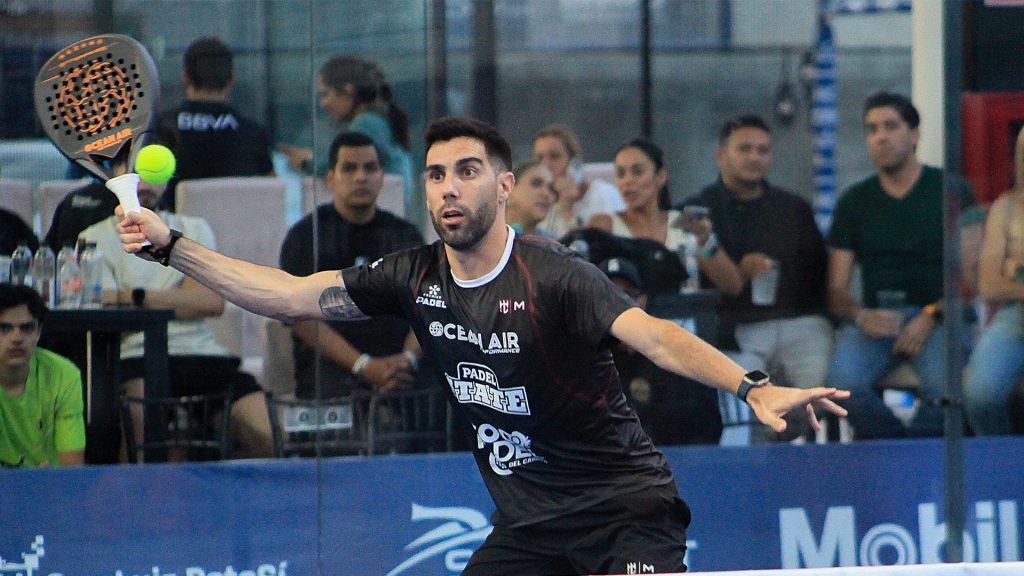
The Art of the Fake & Deception
Summary
Use deception to wrong-foot opponents
The Art of the Fake & Deception in Padel
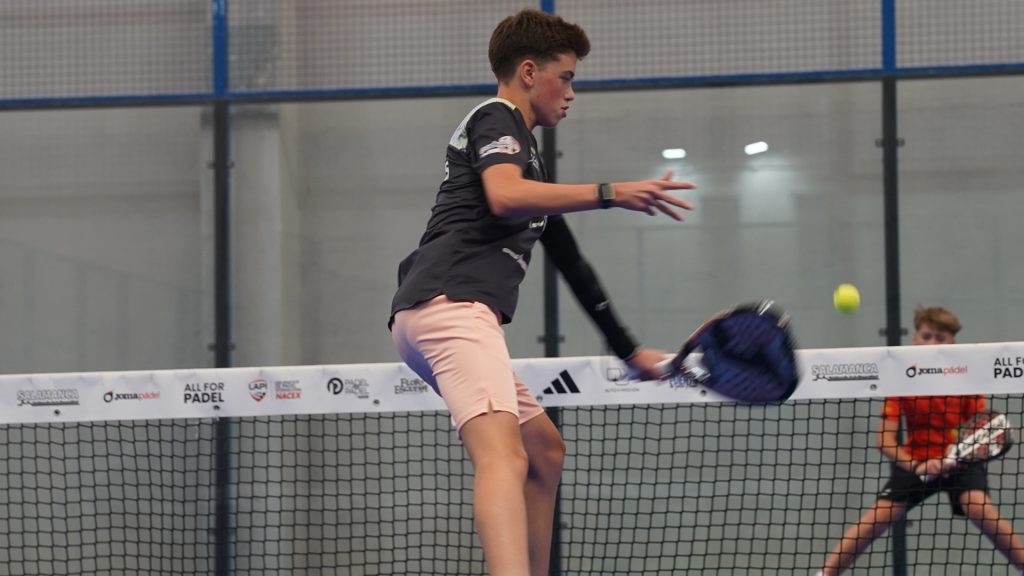
Deception is often the hallmark of a great player in the sport of padel. It is the tool that allows advanced players to gain an edge over their opponents by using unpredictability to create opportunities and exploit weaknesses. Understanding and mastering the art of deception enhances your tactical arsenal, providing players with various tools to mislead and outsmart their adversaries on the court. This lesson delves into the essential types of fakes in padel, their execution, common mistakes, and strategic practice drills to implement these skills effectively.
Key Concepts
1. Shot Direction Fake
The shot direction fake is one of the simplest yet most effective forms of deception in padel. By pretending to execute a shot in one direction, players can direct the ball in another, wrong-footing opponents and creating openings on the court.
- Execution: Begin your swing as if you are preparing to hit the ball to one side of the court. It's crucial that your body language—the angle of your shoulders and the position of your feet—correctly imitates the action of hitting in that direction. As your paddle approaches the ball, you can then utilize wrist action to push the shot to the opposite side.
- Timing: The timing of the fake is what truly makes this tactic effective. Execute the fake just before your opponent begins to react to your perceived shot. Ideally, they should start moving in one direction while you redirect the ball the other way.
- Readiness: Always be prepared for your opponent's response after the fake. Ensure your footwork allows you to get into a position to follow up with another shot, as utilizing deception can create additional chances.
2. Power Fake (Wind Up, Play Soft)
This technique combines an exaggerated preparation with a soft shot, misleading your opponents into expecting a powerful return.
- Execution: Wind up as if you are going for a powerful shot, placing your body in a position that suggests force. As you approach the ball, however, instead of delivering a strong hit, apply less weight and control the racket to execute a softer shot.
- Considerations: Your body posture must remain consistent throughout your movements. The more convincingly you mimic the preparation for a powerful shot, the more effective your fake will be.
- Application: Use the power fake to lure your competitor in before redirecting to a softer shot toward an open space, particularly when your opponent is encroaching on the net, eager for an aggressive return.
3. Lob Fake (Show Lob, Drive Flat)
The lob fake involves presenting an overhead lob shot that may instinctively draw your opponent to the back of the court. Instead, you can execute a lower, flat drive, catching them off-guard.
- Execution: As you prepare for the lob, raise your paddle high to indicate the shot. This visual cue suggests the high trajectory of a lob. However, pivot quickly and maintain a level swing to strike the ball flat, directing it past your opponent before they can retreat into position.
- Counteraction: Be aware that your opponent may react aggressively to the potential lob, so commit fully to the alternative maneuver and follow through to ensure control over the executed shot.
- Strategic Usage: This fake is especially effective when pitted against shorter opponents or individuals who are positioned too far forward at the net and who might assume an upward return.
4. Body Language Fake
Body language plays a crucial role in the psychological aspect of padel. Your physical demeanor can signal your intentions to your opponent, presenting an opportunity for deception.
- Execution: Utilize your head, shoulders, and arms to communicate an intended direction. Position your weight on the side that you want your opponent to perceive and take a step in that direction before quickly altering your motion.
- Nuances: A slight hesitation or change in posture can significantly influence your opponent's perception. Players like Juan Martín Díaz have mastered this technique, using subtle adjustments to mislead their competitors.
- Psychological Advantage: Employing body language fakes consistently can create confusion, as your opponent may second-guess their own movements, resulting in further openings for attacking shots.
5. Eye Fake
The eye fake utilizes the power of gaze direction to mislead your opponent. Where you look can influence your opponent’s read of your next move.
- Execution: Fix your gaze on one target while preparing to execute a shot directed toward another. This tactic often pairs well with a body language fake, as it reinforces your intended direction.
- Synchronization: Ensure that your eye direction matches your body so that they complement one another. For instance, if you are hitting down the line, your head and body lean should indicate that approach, maintaining full synchronicity.
- Real-World Applications: This principle is effectively utilized by top players like Alejandra Salazar, who often employs eye fakes to destabilize the opposing team and create gaps for effective returns.
Common Mistakes
Even experienced players can make tactical mistakes when attempting to deceive their opponents. Awareness of these common pitfalls can help you refine your execution:
- Lack of Consistency: Remember that the key principle of deception is that your 'real' shot must be consistent. If you do not practice regular shot returns, your prospects of deceiving an opponent are significantly diminished.
- Overcommitment to Fakes: While fakes can be powerful, committing excessively to them may leave you vulnerable. Always have a fail-safe shot ready if your fake does not yield the desired result.
- Poor Timing: Executing fakes too early or too late can nullify their effectiveness. Fakes work best just before the opponent anticipates movement.
- Inconsistent Body Language: Inconsistent or misleading body movements can make your fakes transparent. Work on blending your body language with your shot preparation.
Pro Tips
To effectively integrate deception into your padel game, consider the following pro tips:
- Practice Makes Perfect: Repeatedly practice your deceptive shots until they become second nature, allowing you to pull them off smoothly during matches without conscious thought.
- Watch the Greats: Study players known for their deceptive skills and analyze how they execute fakes. Learning from champions such as Fernando Belasteguín or Paquito Navarro can provide insights into successful strategies.
- Mix It Up: Incorporate variations within your play. If you continuously use the same fakes, opponents may catch on, so switch up the elements of your play regularly.
- Game Simulation: During practice, simulate game situations where deception plays a pivotal role. This will help you to proactively use your new skills in real matches.
Practice Drills
Here are some specific drills to implement the concepts of deception into your training routine. Each drill emphasizes repetitions to reinforce skill integration:
Drill 1: Shot Direction Fake (20 minutes)
- Setup: Pair up with a practice partner and set up at the service line on opposite sides of the court.
- Execution: Alternate hitting the ball while practicing fakes. Player A will perform 10 shot direction fakes to the right, followed by 10 to the left.
- Focus Points: Concentrate on body language and foot positioning when performing fakes. Ensure that the actual shot plays out smoothly for consistency.
Drill 2: Power Fake (15 minutes)
- Setup: Use a practice wall or partner on the opposite side of the court.
- Execution: Execute a strong follow-through turn showcasing a power shot before offering a soft return. Perform 10 reps on each side, alternating frequently.
- Focus Points: Emphasize the distinction between preparation and actual shot execution to build muscle memory.
Drill 3: Lob Fake to Drive (15 minutes)
- Setup: On one side of the court, position a partner at the net for responsiveness.
- Execution: Alternate practicing 5 lobs followed by 5 lobs faked into flat drives, ensuring credible preparation for both shots.
- Focus Points: The decision to execute the shallow flat shot needs to be made quickly. Concentrate on fluid footwork to prepare for quick follow-up shots.
Drill 4: Body Language and Eye Fakes (20 minutes)
- Setup: Utilize a drill partner or coach.
- Execution: Practice exhibiting body and eye fakes leading to both strong and soft shots. Engage in 20 exchanges incorporating an eye fake linked with body language.
- Focus Points: Ensure your fake is believable and enhances the strength of your shot.
Summary
Deception in padel can fundamentally change the dynamics of a match. Mastering the art of the fake can create opportunities that allow players to gain meaningful advantages, outmaneuver their opponents, and control the tempo of the game. From shot direction fakes to body language and eye fakes, the effectiveness of each tactic relies on practice and strategic execution. Embrace the principles discussed in this lesson, and integrate the provided drills into your training to refine your deceptive skills. As you become adept in these techniques, you will not only improve your game but also enhance your overall effectiveness on the court.
My Notes
No notes yet