
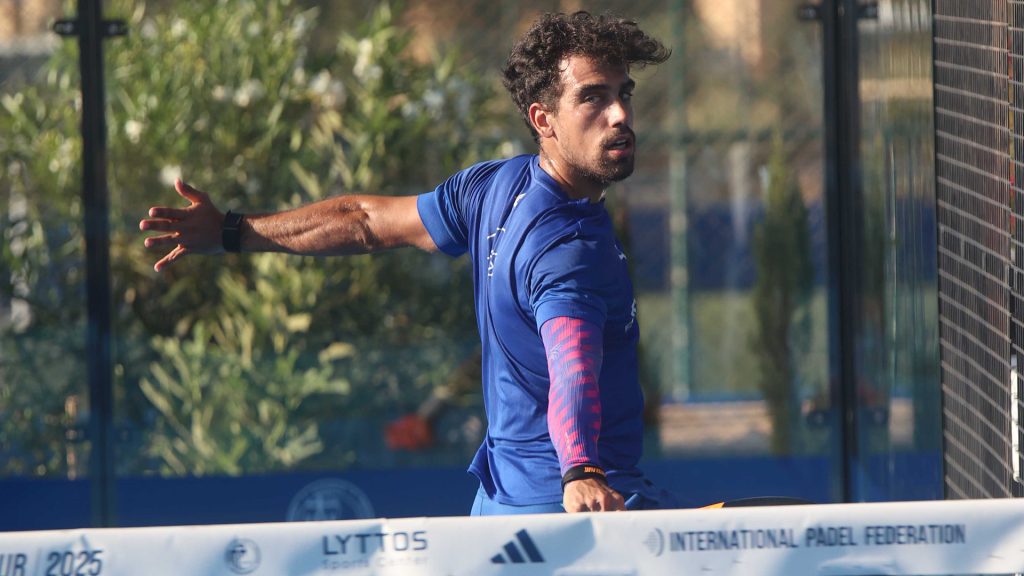
Reading Your Opponent
Summary
Anticipate shots by watching body language and patterns
Reading Your Opponent: A Tactical Guide for Intermediate Padel Players

In the fast-paced world of padel, having a strong understanding of your opponent can be the key to gaining a competitive advantage. Reading your opponent involves much more than merely observing the ball; it encompasses analyzing their body language, preparing for their tendencies, and predicting their next moves based on observed patterns. In this article, we will explore the essential tactics to anticipate your opponent’s shots, improve your decision-making, and elevate your overall game.
What to Watch
Understanding the intricate details of your opponent's body language can significantly enhance your ability to predict their shots. Key factors to observe include:
Racket Preparation
Your opponent's racket preparation provides critical clues about their intended shot. Pay close attention to:
- Racket Angle: A tilted racket face can indicate a topspin or slice, while a flat racket can suggest a more aggressive, powerful shot.
- Take Back: A slow, deliberate take back often signals a controlled shot, while a quick preparation may indicate a hard-hitting attempt.
Body Rotation
Body rotation can indicate the power or softness of an impending shot:
- Shoulder Rotation: A full shoulder turn typically correlates with a powerful shot. Conversely, a reduced shoulder turn may signify a more defensive stroke.
- Weight Shift: Observe where their weight is distributed. A weight shift forward may suggest aggression, while a backward shift often indicates a defensive posture.
Feet Position
The position of your opponent’s feet can also reveal their shot direction:
- Feet Alignment: If your opponent is squared up to the net, they're likely aiming for a crosscourt shot. If their feet are angled, anticipate a down-the-line play.
- Stance: A wide stance may suggest a heavy shot, while a narrow stance usually indicates quick adjustments for a softer shot.
Contact Height
The point at which your opponent makes contact with the ball can be a vital piece of information:
- High Contact: When players hit the ball above their waist, it generally signifies an aggressive shot such as a volley or smash.
- Low Contact: A player making contact around knee height typically leads to defensive shots or lobs.
Pattern Recognition
Thoroughly understanding your opponent's playing patterns can significantly sharpen your tactical approach. Focus on these aspects:
Preferred Shots Under Pressure
In high-stakes situations, players often revert to their most trusted shots. By tracking their patterns, you can better predict their next move:
- Watch for Repeated Shots: Notice if they hit a particular shot consistently when under pressure.
- Identify Recovery Patterns: How do they respond after an aggressive return? Look for the default shots they rely on.
Favorite Serve Direction
In serving scenarios, recognizing the direction of your opponent's serve can provide crucial insight:
- Serve Patterns: Watch for the preferred side. Are they more comfortable serving to the deuce or ad court?
- Spin and Placement: Notice if they use slice or topspin serves—they may often default to these under pressure.
Observing Weakness
Every player has weaknesses. Identifying and exploiting these can lead you to victory:
- Shots to Avoid: Identify their less favorable shots and try to direct your returns towards these areas.
- Weak Spots in Defense: Look for patterns of retreat or scrambling. Recognize how they respond when they are on the defensive.
Habits on Break Points
Critical moments, like break points, often reveal a player’s tendencies:
- Analysis Under Pressure: Does your opponent tighten up their shot selection or revert to conservative play?
- Consistency Patterns: Do they take risks on break points, or do they tend to stick to safe, reliable shots?
Advanced Tactics for Reading More Complex Patterns
As you develop your skills in reading your opponent, you will encounter more sophisticated players whose patterns are not as easy to decipher. Advanced strategies can help break down these complexities:
Dynamic Play Adjustments
Observe how your opponents adapt their game as the match progresses:
- Environmental Factors: Are they adjusting their play due to wind or lighting conditions? This can reveal a lot about their adaptability and preferences.
- Opponent Discomfort: Notice any discomfort or inconsistency when your opponent is forced to change their style, indicating areas of weakness.
Pacing Changes
Identify any shifts in pacing that your opponents make to gain momentum:
- Quick Points vs. Long Rallies: Determine whether they prefer quick points with aggressive play or long rallies, indicating their endurance and patience levels.
- End-of-Match Clutch Play: Noticing if they become more aggressive or defensive as they approach the end of a set or match can give insight into their mentality.
Practice
Implementing the tactical knowledge of reading your opponent into your practice routines is vital for internalizing these strategies. One effective drill focuses on calling out predictions before the shot:
Calling Out Predictions Drill
Objective: Improve anticipation and prediction skills during match play.
- Setup: Pair up with a training partner. One player will hit while the other observes.
- Instructions:
- Before your opponent strikes the ball, the observing player must call out where they think the ball will go (e.g., "crosscourt!" or "down the line!").
- After the shot is taken, analyze whether the prediction was correct and discuss observations briefly.
- Repetitions: Perform this drill for 10-15 minutes per session, allowing each partner to alternate roles.
Common Mistakes
Even the most skilled players can fall into traps when it comes to reading opponents. Here are some common pitfalls:
- Tunnel Vision: Focusing solely on the ball can lead to missed cues. Train yourself to maintain peripheral awareness.
- Ignoring Patterns: Failing to recognize that players have tendencies can prevent you from adapting your strategies effectively.
- Overthinking: Sometimes players think too much about their opponent’s actions and fail to focus on their own game plan.
- Not Adapting: If a particular tactic isn't working, failing to pivot to a different approach can lead to frustration and poor performance.
Pro Tips
To further sharpen your ability to read your opponents, consider the following pro tips:
- Watch High-Level Matches: Analyze professional players' tactics, focusing on how they anticipate each other's movements. Players like Juan Lebrón and Alejandra Salazar are great examples to study for their positional awareness.
- Practice Mindfulness: The better you are at remaining present, the more you'll notice. Mindful practice helps in connecting body language with shot selections.
- Communicate with Your Partner: In doubles, strategies should be a joint effort. Discuss with your partner what you observe, creating a stronger tactical unit.
- Self-Reflection: After matches, reflect on what you observed about your opponent's tendencies, noting areas for improvement in your reading skills.
- Leverage Technology: Use video analysis apps to review your matches. Seeing yourself and your opponents in action can highlight patterns you might have missed in real-time.
Practice Drills
Here are targeted drills to help enhance your skills in reading your opponents:
1. Shadow Play Drill
Objective: Develop an awareness of positioning and where to anticipate returns based on your own movements.
- Setup: On the court, one player will simulate various shots while the other practices footwork and anticipation.
- Instructions:
- The player simulating shots will perform different types of shots and movements (e.g., forehand, backhand, volley, smashes).
- The observing player must react based on anticipated returns, positioning themselves for the shot as if it were real.
- Repetitions: Perform this drill for 15-20 minutes, switching roles every 5 minutes.
2. Reaction Timing Drill
Objective: Improve reaction times, making it easier to adjust to opponents’ movements.
- Setup: Use a ball machine or have a partner feed balls from varying angles and speeds.
- Instructions:
- The feeder will randomize shot direction, power, and spin.
- The receiver must anticipate and adjust footwork to intercept shots effectively.
- Repetitions: Spend 10 minutes on this drill; focus on consistent movement and prediction.
3. Pattern Disruption Drill
Objective: Practice breaking down your opponent's patterns to gain the upper hand.
- Setup: Play against a partner or use a ball machine that simulates predictable patterns.
- Instructions:
- The player must work on changing their return strategies regularly to keep the opponent guessing.
- Experiment with alternating between aggressive and defensive shots.
- Repetitions: Continue this drill for 20 minutes, concentrating on changing your typical gameplay to disrupt opponent patterns.
Summary
Reading your opponent is an invaluable skill that can decisively impact your performance on the padel court. By paying close attention to key indicators such as racket preparation, body rotation, foot position, and contact height, you can begin to anticipate shots and make informed decisions. Monitoring patterns and weaknesses will provide you with an advantage when it matters most. By practicing these techniques in focused drills, avoiding common mistakes, and applying pro tips into your game, you will enhance your ability to read your opponents effectively. The journey towards mastering this skill will undoubtedly elevate your padel experience and improve your competitive edge.
As you continue to unpack the intricacies of reading your opponent, remember that every match is an opportunity to learn. Each game brings new challenges and insights into the art of anticipation, so stay observant and embrace the process of improvement.
My Notes
No notes yet