

Advanced Wall Rebounds
Summary
Master complex wall combinations and double bounces
Advanced Wall Rebounds
Introduction
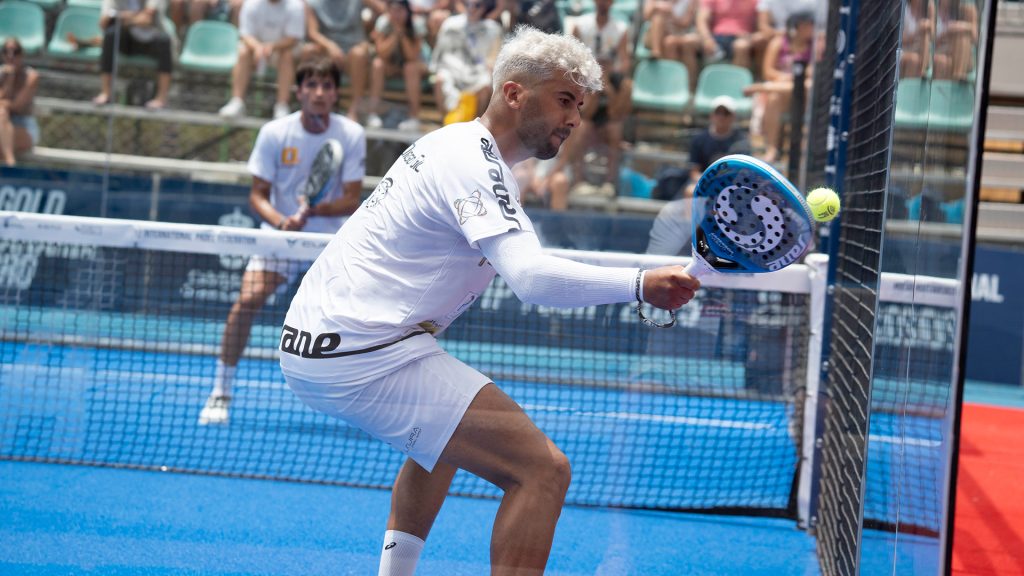
Paddle, or padel, is a dynamic and exhilarating racquet sport that combines elements of tennis and squash. As players seek to elevate their skill set, understanding advanced wall rebounds becomes a critical component of success. Mastering wall returns not only improves your score but also enhances your game strategy by utilizing the unique characteristics of the court’s walls. In this lesson, we will delve into the intricate world of advanced wall rebounds, focusing on double wall combinations, reading ball trajectories, and optimizing positioning for wall shots. Moreover, we will identify common mistakes and share practical drills to help you implement these concepts effectively.
1. Double Wall Combinations
Advanced wall rebounds often involve multiple walls, which can create complex angles that pressure your opponents. Understanding how to use the side walls and back glass effectively can turn the tide in your favor. This section will cover three fundamental combinations: Side-Back, Back-Side, and Corner Shots.
a. Side-Back
The side-back combination is one of the most powerful wall shots. In this maneuver, the ball hits the side wall first and then bounces into the back glass. This trajectory creates a difficult return for your opponents as it forces them to adjust to unpredictable angles. To execute this shot effectively:
- Position yourself close to the side wall, ensuring that your swing has enough room to extend.
- Use a semi-open stance and angle your racquet slightly to account for the side wall's trajectory.
- After making contact with the ball, follow through to direct it towards the back glass.
b. Back-Side
The back-side play flips the side-back maneuver on its head, starting with a hit to the back glass before the ball redirects to the side wall. This play can disrupt your opponent's rhythm, as it often produces an unpredictable bounce:
- Stand a few steps away from the back wall, allowing yourself freedom of movement.
- Prioritize a strong linear shot directed at the back glass; aim for a downward angle that propels the ball towards the side wall.
- As the ball returns, prepare for the next shot with your racquet ready to respond to its new angle.
c. Corner Shots
Corner shots involve hitting the ball into the corners of the court where the side walls meet the back glass. The angle of these shots can make them incredibly challenging for opponents:
- Position yourself correctly to get the right angle on your shot.
- Use a bit more topspin to ensure the ball stays low after rebounding off the back wall.
- Practice varying the speed and angles on your corner shots for added unpredictability.
2. Reading Ball Trajectories
To execute advanced wall rebounds successfully, it is crucial to read ball trajectories effectively. The following principles will help you understand how to anticipate the ball's movement and prepare your response.
a. Angle of Incidence = Angle of Reflection
A fundamental principle in physics, the angle of incidence equals the angle of reflection, applies directly to padel. This means that if you aim your shot at a specific angle on the wall, the ball will rebound off at the same angle. As a player, you should:
- Note the angle at which the ball approaches the wall to predict its rebound trajectory.
- Use this principle to your advantage by aiming for angles that put your opponent at a disadvantage, especially during rallies.
b. Speed Affects Bounce Distance
The speed of the ball, whether from your shot or your opponent's return, influences how far the ball travels after rebounding off the wall. Faster shots generate quicker rebounds, requiring you to react swiftly. To refine your judgment:
- Work on your shot power; sometimes slowing down your shot can provide desired placement instead of sheer speed.
- Recognize the characteristic speed of your opponent's returns and adapt your positioning based on their tendencies.
c. Spin Changes Bounce Behavior
Applying spin can notably alter the ball's behavior on rebounding. Topsin will make the ball dip, while backspin will cause it to stay lower on the bounce:
- Incorporate topspin on high balls to ensure they stay low upon bouncing off the wall.
- Utilize backspin effectively when you want to keep the ball low, especially on returns to disrupt your opponent's rhythm.
d. Glass vs. Mesh Plays Differently
Understanding the surface of the wall is vital. The glass wall offers a different kinesthetic response than the mesh wall. The following distinctions should guide your strategy:
- Glass will usually provide a cleaner bounce with less error; aim your shots towards the glass for a more predictable rebound.
- Mesh, on the other hand, can create more chaotic rebounds; practice hitting off mesh to learn how the ball leaves the wall.
3. Positioning for Wall Shots
Your positioning before, during, and after a wall rebound is critical. Proper stance ensures you can effectively utilize the angles at play:
a. Give Yourself Space
Creating adequate space is fundamental for executing powerful wall shots. Maintaining a strategic distance away from the wall will allow you flexibility in your movements:
- Position yourself several feet away from the wall based on the ball's trajectory to ensure that your swing is unconfined.
- Aim to stay in a balanced posture, enabling quick lateral movement for your next return.
b. Anticipate Opponent Movements
Assessing your opponent's positioning and movements will enable you to better predict where to position yourself following a wall shot. Look for:
- Patterns in their positioning; if they favor one wall, adjust your position to exploit their weakness.
- Timing; being aware of when and how your opponent is likely to react can give you a strategic advantage.
c. Recovery Post-Wall Shot
After you execute your wall shot, quickly reset your position to maintain optimum balance. This requires:
- Utilizing a strong split step to return to a neutral, balanced position.
- Anticipating the next shot by adjusting your body to the most likely return trajectory based on your opponent’s positioning.
Common Mistakes
Even experienced players may struggle with wall rebounds and face a few common pitfalls. Here are some mistakes to avoid:
- Incorrect Angles: Not aligning the shot properly with respect to wall angles can lead to ineffective or out-of-bounds rebounds.
- Poor Timing: Misjudging the ball’s speed and arriving late at the wall can cause rushed shots.
- Improper Recovery: Failing to reposition quickly after a wall shot can leave you vulnerable to your opponent's next move.
- Not Using Spin: Neglecting to manipulate spin when executing wall shots limits your capability to control the rebound trajectory.
Pro Tips
To further enhance your advanced wall rebound skills, consider the following expert tips:
- Visualize Success: Before each shot, visualize the ideal trajectory and where you'd like the ball to pass. This mental rehearsal can bolster focus and execution.
- Incorporate Match Situations: Train in match-like settings to enhance your comfort level executing shots under pressure.
- Watch Professionals: Study professional players who excel in wall rebounds, such as Juan Lebrón or Ale Galán, to gain insights into their techniques and strategies.
- Drill Consistently: Regularly practice the identified types of wall shots until they become second nature, and explore their applications in different game scenarios.
Practice Drills
To develop your skills with advanced wall rebounds, you can apply the following systematic drills. Each drill emphasizes different elements of the overall strategy:
Drill 1: Side-Back Combination
Objective: To practice hitting the ball off the side wall, ensuring it rebounds to the back glass effectively.
- Set a timer for 10 minutes.
- Stand about four steps away from the side wall.
- Hit the ball towards the side wall at a 45-degree angle, allowing it to bounce to the back glass.
- Focus on footwork and positioning; afterward, switch roles with a partner for added practice.
Drill 2: Back-Side Play
Objective: Refine the timing and angle for back-side shots.
- For 10 minutes, position yourself against the back wall.
- Practice hitting balls that come at you, directing them into the back wall aiming to land them close to the side wall.
- Correctly anticipate the ball’s return and get ready to react.
Drill 3: Corner Shots
Objective: Master corner shots for greater unpredictability.
- Have a partner feed balls to the corners for the first 10 minutes.
- Practice varying your shots to create different angles, using spin to keep the balls in play.
- Switch partners to experience different ball speeds and angles.
Drill 4: Reading Trajectories
Objective: To train yourself in reading and anticipating ball behaviors off the wall.
- Set a timer for 10 minutes while you practice with a partner.
- One player will intentionally hit various shots (topspin, flat shots, backspin) targeting different walls.
- The other player will practice reading the trajectories based on the type of shot sent back from the wall.
Summary
Mastering advanced wall rebounds in padel can significantly enhance your skill set, helping you create advantageous situations against opponents. By understanding double wall combinations, reading ball trajectories effectively, and positioning yourself correctly, you can wield these complex techniques with precision. Avoid common mistakes such as improper positioning and take advantage of pro tips for improved performance. Finally, consistent practice through targeted drills will solidify your understanding and finesse around wall shots, placing you on the path to elevate your gameplay to a new level. Embrace the challenge, and enjoy the intricacies of advanced wall rebounds!
My Notes
No notes yet