

Mental Focus and Concentration
Summary
Develop the mental skills needed to perform under pressure
Introduction
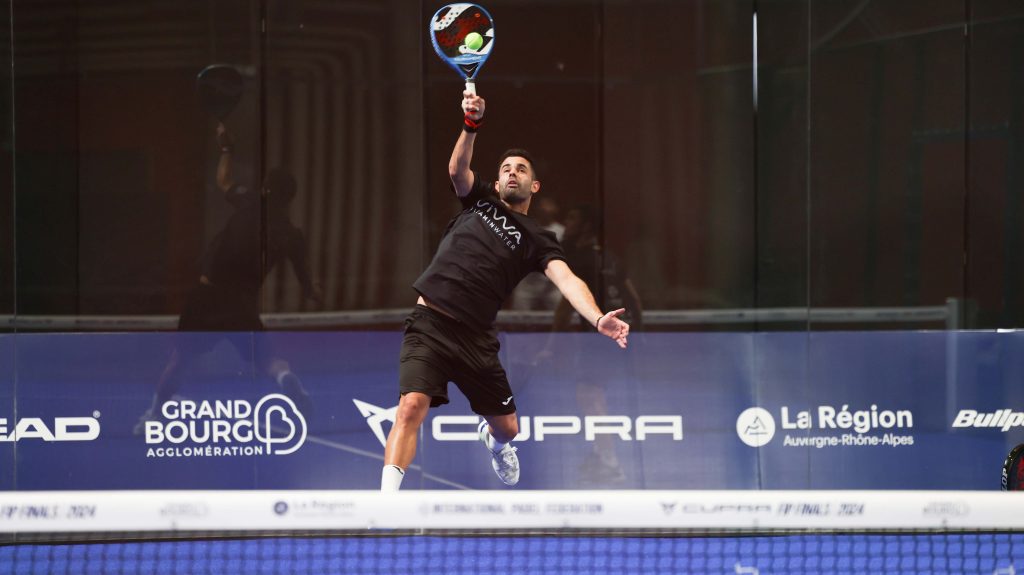
In the exhilarating game of padel, physical prowess is undoubtedly essential, but the significance of mental fortitude cannot be overstated. The mental game serves as the backbone of competitive success, with players often indicating that matches are won or lost in the mind rather than on the court. This lesson focuses on the essential elements of mental focus and concentration, helping intermediate players develop their mental resilience. By understanding and applying mental strategies, a player can improve performance, especially during crucial moments in matches.
The Mental Game
Padel is as mental as it is physical. To excel in this dynamic sport, players must cultivate their mental acuity in several areas:
- Concentration during long rallies: Padel points can extend over several strokes, requiring unwavering focus.
- Recovery from mistakes: Learning to bounce back swiftly after errors is essential for maintaining momentum.
- Handling pressure points: Important moments in a match often provoke anxiety, and a focused mindset is necessary to navigate these.
- Maintaining confidence: The ability to trust one's skills and remain positive is vital for performance under pressure.
Concentration During Long Rallies
In padel, points can evolve into lengthy exchanges, which places a heavy demand on a player’s concentration. Each shot requires focus, as a lapse can lead to unforced errors. To enhance concentration, players can implement the following techniques:
- Engage fully with the ball by visualizing its trajectory and anticipating spins and velocity.
- Develop your peripheral vision to ensure awareness of your partner and opponents' movements.
- Break the rally down into smaller manageable segments in your mind, focusing on each shot one at a time.
- Practice focused drills that isolate specific skills, like defensive lobs under pressure, to simulate long rally scenarios.
Recovery from Mistakes
Frustration can easily seep in after an error, affecting subsequent points. Players should practice resilience, acknowledging mistakes and transitioning promptly to the next point. Techniques include:
- Adopting a positive mantra to replace negative thoughts.
- Engaging in physical reminders, such as a deep breath or shaking out arms to release tension.
- Constructively analyze what led to the error after the match to turn mistakes into learning opportunities.
- Use visualization exercises to mentally rehearse successful execution of the previously missed shot.
Handling Pressure Points
Games often hinge on critical moments, such as deciding points or break points. The keys to managing these situations effectively involve realizing the intensity and adopting specific strategies:
- Visualizing successful outcomes prior to these moments can reinforce confidence.
- Using breathing techniques to calm the mind and steady one's hand.
- Establishing a mental “trigger” word or cue that amplifies focus and determination at critical junctures.
- Embrace pressure by reframing it as an opportunity to showcase skill rather than as a threat.
Maintaining Confidence
A confident mindset is essential for consistent performance. Players often find that how they perceive themselves influences their gameplay. Some methods to bolster confidence include:
- Keeping track of personal milestones and celebrating improvements.
- Practicing self-affirmation before competition.
- Surrounding oneself with a supportive community that bolsters positive self-image.
- Regularly revisiting past victories or well-executed plays to reinforce self-belief.
Focus Techniques
Implementing specific focus techniques can yield significant improvements in concentration and performance during matches. Here are several essential focus techniques to adopt:
Ball Focus
Consistent engagement with the ball is vital in every match:
- Players should maintain eye contact with the ball as it travels, aiming to track its path throughout each point.
- Practicing ball drills that require players to keep their focus on the ball will enhance visual tracking ability.
- Allocate specific practice time to simulate different types of ball-speed scenarios to adapt focus intensity accordingly.
- Utilize the concept of “quiet eye,” where the gaze focuses on a fixed point just before executing a shot to improve accuracy.
Breath Control
Breath control serves as a calming mechanism that can center a player’s focus. Implement these steps:
- Take deep breaths between points – inhaling for a slow count of four and exhaling for a count of six.
- Establish a rhythm with breathing, aligning it with your movements on the court to promote relaxation.
- Experiment with different breathing patterns to find what best aligns with your play style and energetic needs.
- Employ breath control during intense rallies to manage energy expenditure and maintain composure.
Routine
Creating a consistent pre-point ritual can ground players and provide a sense of control:
- The ritual may include bouncing the ball a specific number of times or visualizing the upcoming shot.
- Reiterate the ritual in practice to form a natural habit that dissipates distraction.
- Refine and adapt the routine over time to match your evolving skills and performance insights.
- Share routines with your partner to ensure synchronicity and mutual psychological readiness for each point.
Present Moment
Focusing on the current point rather than dwelling on past mistakes is crucial:
- Encourage yourself to consider each point independently, fostering a mindset that dismisses previous failures.
- Practicing mindfulness techniques off the court can also aid in maintaining focus during matches.
- Cultivate the habit of resetting mental focus post-point, irrespective of the point's outcome, to maintain equilibrium.
- Introduce anchoring thoughts or phrases in your mindset to quickly return to the present moment.
Managing Emotions
Effective emotional management is essential in the high-stress environment of competitive play. As noted, frustration often leads to decreased performance. Here are several strategies to help manage emotions effectively:
Control Frustration After Errors
After making errors, the ability to manage frustrations can preserve your mental state and maintain performance:
- Identify your emotions immediately after a mistake. Acknowledging feelings can lead to better control.
- Practice redirecting negative thoughts into constructive ones. Instead of “I can't believe I missed that,” reframe to “I’ll return stronger on the next point.”
- Engage in quick relaxation techniques, such as a brief muscle relaxation sequence, to dissipate emotional tension.
- Develop a repertoire of quick emotional resets that you practice regularly during training sessions.
Common Mistakes
As players work on mental focus and concentration, they can unintentionally fall into several common traps:
- Overthinking: Players may become paralyzed by analytical thinking, which disrupts fluid play.
- Neglecting the physical: Focusing exclusively on mental strategies while ignoring physical training leads to imbalances.
- Focusing on outcomes over processes: Concentrating too much on winning can detract from strategic gameplay.
- Skipping mental training: Some players underestimate the time necessary to develop mental skills, treating them as secondary to physical practice.
Pro Tips
Incorporating professional-level strategies can significantly elevate a player’s mental game. Here are some pro tips to consider:
- Embrace visualization: Top players like Juan Lebrón have spoken about the benefits of visualizing match scenarios and successful shots.
- Watch the best: Analyze matches of professional players to understand their mental resilience and focus techniques during high-pressure situations.
- Set SMART goals: Specific, Measurable, Achievable, Relevant, Time-bound goals can help maintain focus on continuous improvement.
- Engage in reflective practice: After matches, reflect objectively on mental strategies that worked or needed adjustment.
- Integrate yoga or tai chi: These practices can enhance body awareness, balance, and meditative focus, all contributing to improved mental game in padel.
Practice Drills
To sharpen mental focus and concentration, players can integrate specific drills into their training regimen. Below are practice drills aimed at improving mental strategies along with step counts and timing:
Drill 1: Target Hitting with Focus
Objectives: Enhance focus on the ball and develop accuracy.
- Set up targets on the court (e.g., cones or hula hoops).
- Practice hitting towards the targets, varying shot types (forehands, backhands).
- Perform 20 repetitions, focusing on the ball until contact on each shot.
- Include a variation where each successful hit prompts a visualized power-up, reinforcing reward-based focus.
Drill 2: Breathing Exercises Between Points
Objectives: Calm the mind and maintain breath control.
- Play a practice match or points with a partner.
- After each point, pause for 30 seconds to practice breathing: inhale for 4 counts, exhale for 6 counts.
- Repeat for 10 minutes, emphasizing relaxation and breath control.
- Introduce a focus shift during breathing pauses, alternating attention between breath awareness and body relaxation.
Drill 3: Pre-Point Routine Practice
Objectives: Establish a consistent pre-point routine.
- During practice matches, intentionally incorporate a set number of bounces (e.g., 3 bounces) and a visual cue (like a small head nod).
- Repeat this routine for every serve and every return for an entire set.
- Document feelings of preparedness and focus each time the routine is completed successfully.
Drill 4: Mindfulness Meditation
Objectives: Develop present-moment awareness and emotional control.
- Set aside 10 minutes daily to practice mindfulness meditation, focusing on your breath.
- Allow thoughts to come and go without judgment, anchoring your thoughts back to your breath.
- Incorporate this practice for at least 5 days per week.
- Explore advanced mindfulness techniques such as body scanning or loving-kindness meditation to deepen mental focus.
Drill 5: Simulated Pressure Points
Objectives: Improve handling of stress in pivotal match situations.
- Simulate match conditions where the stakes are high—such as tie-breakers or match points.
- Emphasize emotional control techniques like positive reframing or trigger phrases during these simulated scenarios.
- Conduct these drills periodically, noting changes in emotional response over time.
- Partner with other players to provide realistic pressure and varied responses to stressful conditions.
Summary
Developing mental focus and concentration is pivotal for intermediate padel players aiming to perform under pressure. By understanding key concepts such as concentration during rallies, the control of emotions, and focus techniques, players can significantly improve their overall gameplay. Remember to practice from a mental perspective as rigorously as you would from a physical standpoint—employing drills, routines, and professional strategies is vital.
Ultimately, the journey toward mental fortitude in padel is continuous, requiring ongoing reflection, adaptation, and diligence. With commitment and practice, players can succeed in not only developing their mental resilience but also enhancing their overall performance on the court.
My Notes
No notes yet