
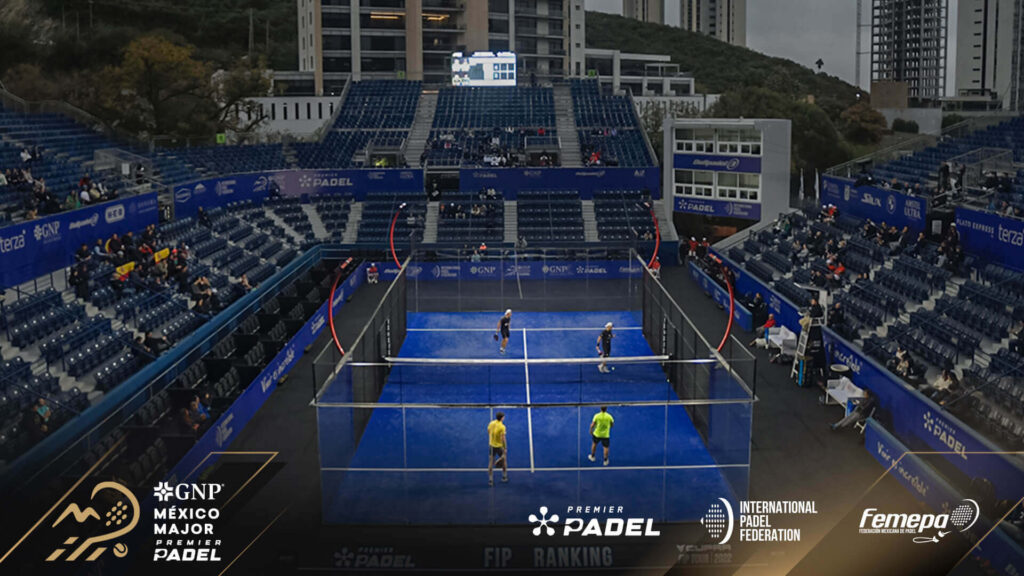
Padel Footwear: Your Foundation for Success
Summary
Discover why proper footwear is crucial in padel, different sole types, and how to choose shoes that prevent injuries.
Introduction
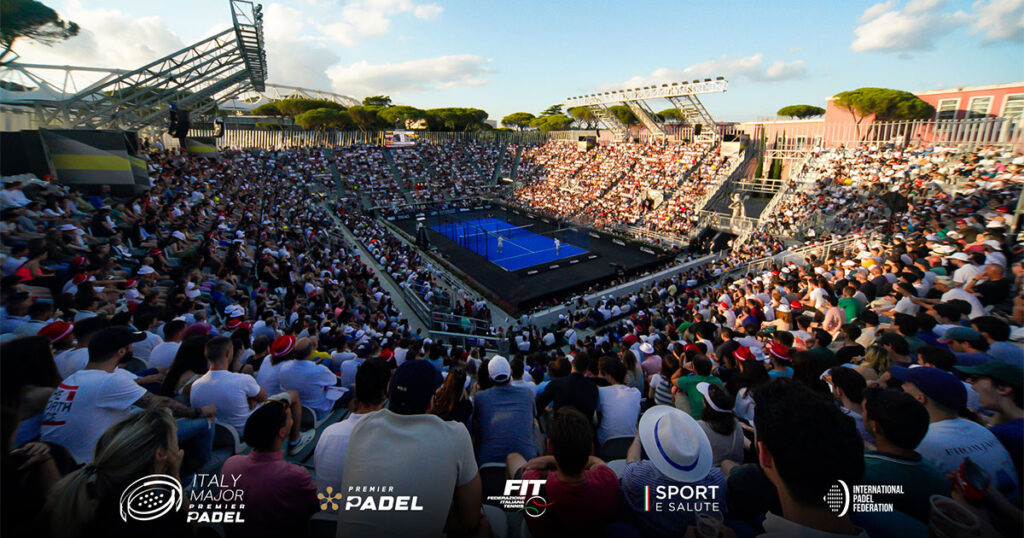
When it comes to padel, many players focus on selecting the right paddle, perfecting their strokes, or mastering strategies, often overlooking one of the most critical elements of the game: footwear. In padel, where rapid movements and quick direction changes are the norms, the type of shoes you wear can significantly influence your performance and susceptibility to injury. This lesson will delve into the importance of choosing the right footwear for padel, detailing different sole types, their functions, and how to select the appropriate footwear that offers not only performance benefits but also injury prevention. So lace up and get ready to find out everything you need to know about padel footwear!
1. Why Footwear Matters
Choosing the right shoes for padel is as important as choosing your paddle! The right footwear plays a pivotal role in how well you perform on the court and in ensuring your safety during play.
- Prevents Injuries: Inappropriate footwear can lead to a variety of injuries, including ankle sprains, blisters, and knee problems. The right shoes offer the necessary support and cushioning to mitigate these injuries.
- Enables Proper Movement Patterns: Padel requires a unique combination of lateral movements, forward lunges, and quick stops. Shoes designed specifically for padel encourage correct movement techniques, aiding in skill development.
- Provides Stability During Quick Direction Changes: The fast-paced nature of padel requires sudden direction changes. Proper footwear offers stability during these movements, reducing the risk of falling or losing balance.
- Allows for Controlled Sliding: The dynamic nature of the game often calls for controlled sliding on the court. The right footwear provides the necessary traction while allowing players a degree of slide when needed, especially on sand surfaces.
2. The Importance of the Sole
The sole is the most critical component of padel footwear. It determines how you interact with the court surface and directly impacts your movement and balance. The different types of soles cater to various court surfaces and playing styles.
2.1 Sole Types
Understanding the types of soles available is essential for making an informed choice:
- Flat Soles: Typically found in tennis shoes, flat soles offer a solid surface for traction and stability. They are suitable for players who engage in regular lateral movements and require traction.
- Herringbone Soles: This sole pattern, often seen in dedicated padel shoes, facilitates excellent grip on both clay and artificial grass surfaces. The design allows for multidirectional movement while minimizing the risk of slips.
- Mixed Soles: Some shoes combine features of both flat and herringbone patterns. These are designed to accommodate various playing conditions, allowing players the versatility to adapt to different courts.
2.2 Cushioning and Comfort
Another crucial aspect of the sole is the cushioning. Effective cushioning absorbs shock during impact, protecting your feet and joints from strain. It’s important to find shoes with:
- Medium Plexion: A good balance of firmness and cushioning allows for both stability during movements and comfort while playing.
- Quality Insoles: Removable insoles can provide the additional support needed for players with specific foot conditions or preferences. Look for shoes that support the arch of your foot.
3. How to Choose the Right Footwear
Choosing the right footwear for padel requires careful consideration of various factors. Here, we will break down the essential criteria to help you make the best decision:
3.1 Fit and Size
The fit of your shoes is paramount. Here’s how to ensure a proper fit:
- Toe Space: Ensure there is enough space at the front of the shoe—the toes shouldn't touch the end.
- Width: Select shoes that comfortably hug the sides of your feet without being too tight.
- Heel Stability: The heel of the shoe should be secure to prevent slipping, which can lead to injury.
3.2 Playing Style and Frequency
Your playing style and how often you play should influence your footwear choice:
- Casual Players: If you play occasionally, you may not need high-end shoes, but avoid general running shoes.
- Regular Players: As a more frequent player, prioritize quality shoes that provide excellent lateral support and durability.
- Competitive Players: For those engaging in tournaments or intense play, invest in specialized shoes that offer enhanced grip and stability.
3.3 Court Surface
Always consider the surface on which you predominantly play:
- Artificial Grass: Look for shoes with herringbone soles for optimal traction.
- Concrete or Hard Courts: Choose shoes with ample cushioning and durability to withstand the harder surface.
- Clay Courts: Look for shoes designed for clay, featuring fine herringbone patterns to help you grip the court while sliding.
3.4 Wear and Durability
Another crucial factor to consider is the longevity of the footwear:
- Check the Material: Opt for shoes made of high-quality, durable materials like reinforced leather or mesh combined with synthetic materials. They tend to withstand wear better and offer breathable comfort.
- Observe the Stitching: Sturdy construction often correlates with longer-lasting performance. Examine the stitching to ensure it appears robust and well-finished.
- Consider the Brand Reputation: Brands renowned for their sports footwear often incorporate extensive research and development in their products, offering valuable reliability over time.
4. Common Mistakes
Understanding common mistakes when selecting and using padel footwear can help players avoid issues during gameplay:
- Choosing Aesthetics Over Function: While style may matter, prioritizing looks over functionality can lead to discomfort and injuries.
- Not Trying Before Buying: Always try on shoes with the intention of playing. Walk, run, and simulate movements to ensure comfort and fit.
- Ignoring Signs of Wear: Neglecting to replace old or worn shoes can compromise performance and increase injury risk.
- Wearing Running Shoes: Many players mistakenly wear running shoes for padel, which are not designed for lateral movements and can hinder performance.
- Overlooking Specific Foot Needs: Without considering particular conditions like flat feet or high arches, players might experience discomfort or long-term musculoskeletal issues.
5. Pro Tips
To maximize your investment and performance, here are some pro tips regarding padel footwear:
- Rotate Your Shoes: If you play frequently, consider having two pairs of shoes to allow one to rest while you use the other.
- Break-In Periods: Always break in new shoes before using them competitively. Gradually wear them during practice to ensure comfort and fit.
- Use Specialized Insoles: If you have specific foot concerns (flat feet, high arches), don’t hesitate to use custom insoles for added comfort and support.
- Stay Updated: As technology evolves, stay informed on the latest models and technologies in footwear to gain competitive advantages.
- Mind Your Weight: Heavier players might require shoes providing extra support and durability, whereas lighter players can benefit from more flexible options that allow quicker movements.
6. Practice Drills
Incorporating drills that specifically tailor your footwork can enhance your understanding of how footwear corresponds to performance:
6.1 Lateral Movement Drill
Enhance your agility with this simple drill:
- Equipment Needed: Cones or markers.
- Steps:
- Set up six cones in a straight line, spaced one meter apart.
- Start at one end and sprint laterally to each cone, focusing on quick foot placement.
- Repeat for 10 repetitions and make sure to switch direction after each round.
- Timing: Aim to complete the round within 30 seconds before resting for 30 seconds.
6.2 Quick Stop and Slide Drill
This drill mimics the stop-and-go actions essential in padel:
- Equipment Needed: Two markers placed approximately 8 meters apart.
- Steps:
- Start at one marker and sprint toward the other.
- Stop suddenly, pivot, and slide back to the starting position.
- Conduct 5 rounds, resting intermittently as needed.
- Timing: Work towards minimizing stop time.
6.3 Balance and Stability Drill
Focus on your core stability and directional changes:
- Equipment Needed: Balance board or thick foam pad.
- Steps:
- Stand on the balance board and simulate playing a stroke; switch foot directions between each stroke.
- Maintain posture and keep the board stable for 30-second intervals.
- Include 3 sets with a minute rest in between.
- Progression: Increase difficulty by practicing with eyes closed to challenge your balance further.
6.4 Dynamic Warm-Up Routine
Start your game days with this essential warm-up technique to prevent injuries:
- Equipment Needed: None.
- Steps:
- Begin with high knees for 30 seconds, followed by butt kicks for another 30 seconds.
- Perform side shuffles for 20 meters each side, repeat twice.
- End with a forward lunge stretch, alternating legs. Hold each stretch for 15 seconds.
- Timing: Dedicate 5-10 minutes to ensure your muscles are warmed up and ready.
Summary
The importance of selecting the appropriate footwear for padel cannot be overstated. Proper footwear not only enhances performance but significantly reduces the risk of injury associated with this highly dynamic sport. By understanding the significance of different sole types, fit considerations, and common mistakes, players can make well-informed decisions that allow them to enjoy the game to its fullest. Additionally, incorporating targeted drills into your training regime can finely tune your footwork and boost your on-court performance. Investing time and resources into selecting the right padel shoes will create a solid foundation for both immediate success and long-term enjoyment on the court. Happy playing!
My Notes
No notes yet