
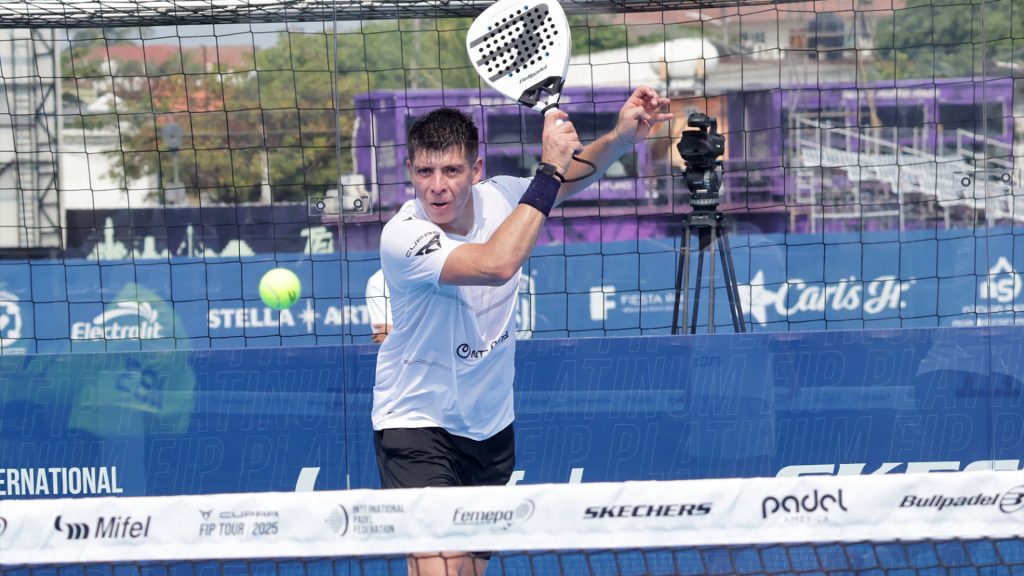
The Padel Court: Complete Guide
Summary
Master the dimensions, materials, and unique features of the padel court that make this sport so exciting.
Introduction
Welcome to the comprehensive guide on the padel court, an essential aspect of the game that every player, coach, and enthusiast needs to understand. Padel is a rapidly growing sport that combines elements of tennis and squash, and its unique court design is one of the primary reasons for this excitement. Understanding the dimensions, materials, and features of the padel court can significantly enhance your gameplay and strategy. This guide is designed for beginners and provides in-depth details about the court, offering insights that can benefit players of all levels. Whether you are just starting or looking to refine your knowledge, this article will equip you with the necessary tools to master the court.
Court Dimensions
A regulation padel court is a standardized space carefully designed for optimal play. Knowing these dimensions is crucial for players aiming for efficiency on the court. Here are the specifics:
- Length: 20 meters (10 meters per side)
- Width: 10 meters
- Total Area: 200 square meters
- Net height at center: 88 cm
- Net height at posts: 92 cm maximum
The shape of the court is rectangular, and this measurement allows for a balanced game where both players can compete on equal footing. The net divides the court down the middle, creating two equal halves. Knowledge of these dimensions is essential for strategic placement during rallies and for understanding how to hit the ball effectively.
Court Structure
The structure of the padel court is unique compared to traditional tennis courts. It includes various materials and designs that cater specifically to the mechanics of the game. Here’s a breakdown:
Back Wall
- Height: The back wall is 4 meters high for the first 3 meters. This height is crucial as it allows for rebound plays.
- Lower 3 Meters: The bottom portion of the back wall should be solid, made of glass or a wall material. Solid surfaces enhance the ball's bounce and provide a defined area for skill shots.
- Upper 1 Meter: This section is typically metallic mesh, allowing for ventilation while preventing the ball from passing through.
Side Walls
- Height: The side walls should also be 4 meters high for the first 3 meters, creating an ideal space for players to return shots effectively.
- Material: Similar to the back wall, the lower part of the side walls should be solid and durable, while the upper part allows for visibility and airflow.
This structure allows for exciting gameplay dynamics, where players can utilize both walls strategically. Understanding how the walls interact with the ball can be critical in developing your style of play.
Court Surface
The surface of a padel court is another critical feature that influences both gameplay and player performance. Here are the main types of materials used:
Types of Surfaces
- Artificial Grass: The most common material used in padel courts, providing a good balance of traction and slide. It is compatible with sand, which is often sprinkled on top to enhance performance.
- Acrylic: Some courts utilize a hard acrylic surface that mimics asphalt. This surface offers a faster game with a consistent bounce but may require different footwear.
- Wooden Courts: Less common, but some indoor facilities use wooden surfaces. They offer excellent shock absorption and are popular in certain competitive settings.
The choice of surface significantly impacts the speed of play, control of the ball, and the overall strategy you'll need to employ during matches. Players should be adaptable based on the surface they are playing on.
Unique Features of the Padel Court
Paddle’s design incorporates several unique features that distinguish it from other racquet sports. These features not only enhance playability but also influence tactical decisions.
- Enclosed Design: The court is enclosed by walls, creating a dynamic where players can utilize rebounds and angles effectively.
- Smaller Size: The compact dimensions encourage quick exchanges, fast reflex plays, and teamwork in doubles, making strategy an essential part of the game.
- Lightweight Net: This net configuration enables easier adjustments during play and ensures that both players can stay engaged and exciting rallies can ensue.
Lighting and Environmental Considerations
An often overlooked component, lighting, and environmental factors play a huge role in how a padel court functions, especially for those playing outdoors or in poorly lit venues. Here's what you need to know:
- Lighting: A padel court requires bright, evenly distributed lighting to ensure players can see both the ball and their surroundings clearly. Light fixtures should be positioned strategically to minimize shadows and glares that could interfere with play.
- Wind: Outdoor padel activities can be influenced by wind conditions. Players may need to adjust their strategies in windy environments by aiming lower or employing more spin.
- Temperature: The playing surface and the ball's behavior can alter slightly in response to temperature changes. Warmer conditions may lead to a more lively bounce, while colder weather could result in slower ball speeds.
Considering environmental factors can significantly influence a match's outcome, and adapting to these conditions is part of the mastery of playing padel.
Common Mistakes
Understanding the layout and structure of the padel court can help players avoid common mistakes. Here are a few pitfalls to be aware of:
- Incorrect Positioning: Many beginners tend to crowd the net, leaving openings for opponents to exploit. Maintain a balanced position between the net and back wall to cover various angles.
- Wall Play Neglect: Failing to use the walls effectively is a common mistake. Practice hitting off the walls and returning balls after they have rebounded to maximize scoring opportunities.
- Misjudging Court Size: Forgetting the dimensions can lead to ineffective shot placements. Always be aware of your court boundaries to avoid hitting the ball out.
Pro Tips
Here are several expert tips to enhance your understanding of the padel court and improve your game:
- Study the Angles: Analyze how the ball behaves when it hits various court surfaces and walls. Knowing the angles can help you predict your opponent's shots better and respond effectively.
- Adjust Your Footwork: Focus on maintaining a solid base while moving. Efficient footwork allows for better positioning during shots and increases your chances of winning points.
- Utilize the Court Vertically: Don't just play horizontally. Use the height of the walls strategically, especially when you're at the net. A high lob can catch your opponent off-guard.
- Communication is Key: Especially in doubles play, talk to your partner constantly. Coordination and clear communication can make the difference in preventing errors and optimizing court coverage.
Practice Drills
To truly master the padel court, practice is essential. Here are several drills that can improve your spatial awareness and execution on the court:
Drill 1: Wall Hitting
- Objective: Improve your ability to control the angle of your shots against the walls.
- Setup: Create pairs on each side of the court.
- Execution: One player starts by hitting the ball against the side wall, aiming for their partner to return it. Switch positions after one minute, repeating for 10 minutes.
Drill 2: Full-Court Rallies
- Objective: Develop length and precision in your shots.
- Setup: Player One stands at the serve box, while Player Two stands at the baseline.
- Execution: Player One serves the ball, and both players engage in a rally from baseline to baseline for 5 minutes. Focus on controlling the depth and placement of shots.
Drill 3: Net Play
- Objective: Enhance quick reflexes and aggressive net play.
- Setup: Each player takes turns at the net.
- Execution: For two minutes, one player volleys the ball to the net player, who tries to return it swiftly. Switch roles after every two minutes. Aim for at least 5 repetitions.
Drill 4: Lob and Smash
- Objective: Refine high, defensive shots and attacking smashes.
- Setup: One player at the baseline, another at the net.
- Execution: The baseline player lobs the ball into the air, and the net player attempts to return it with a smash. After a set, swap positions to practice both offensive and defensive aspects of the drill.
Summary
Understanding the padel court is an essential step in mastering the game. From the precise dimensions to the unique structure and surface differences, each aspect plays a vital role in how strategies are formed and how players interact during points. Careful study of court features can provide a comprehensive context that enriches not only your own game but also enhances your appreciation for this exciting sport.
By avoiding common mistakes, applying pro tips, and engaging in consistent practice, beginners can cultivate their skills and elevate their gameplay on the padel court. Remember, the padel court isn't just a space to play; it's an arena where strategy, skill, and creativity can coalesce into thrilling experiences and unforgettable matches. Happy playing!
My Notes
No notes yet