

Padel Balls: Everything You Need to Know
Summary
Understanding padel ball specifications, how they differ from tennis balls, and how to choose the right ones.
Introduction
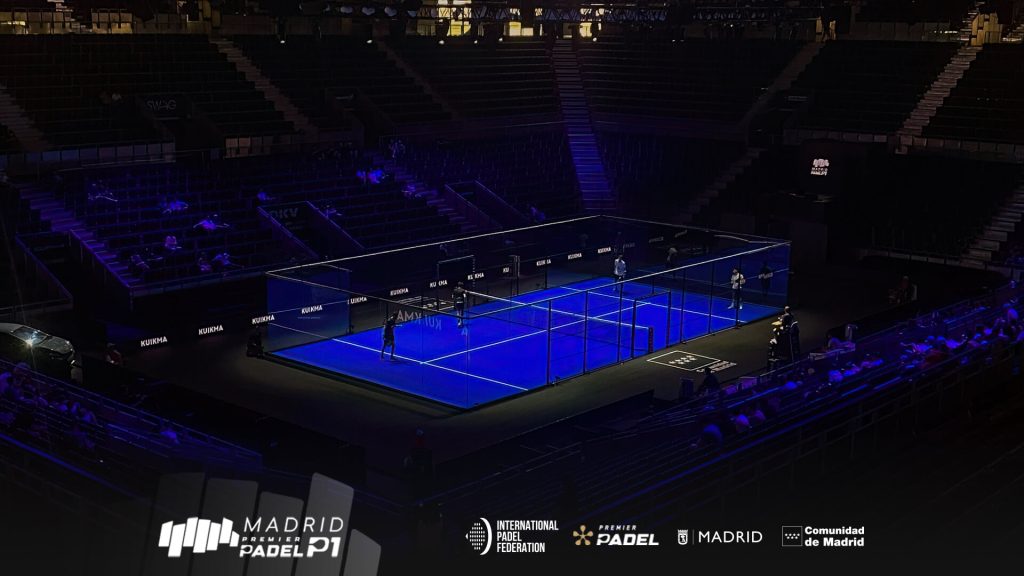
Padel is a rapidly growing sport, captivating players around the world with its unique blend of tennis and squash-like qualities. While players often focus intently on technique, strategy, and physical conditioning, one fundamental aspect that is frequently overlooked is the equipment—specifically, the padel ball. Understanding the characteristics and specifications of padel balls can significantly enhance your gameplay experience. This lesson will delve deep into the world of padel balls, exploring their official specifications, how they differ from tennis balls, and tips on selecting the right balls for your gameplay.
1. What is a Padel Ball?
A padel ball is visually similar to a tennis ball but possesses a distinct set of specifications tailored for the sport of padel. These balls are designed not only for durability but also to maintain the right levels of bounce and control on a padel court. In essence, padel balls are built to enhance and facilitate the specific dynamics involved in padel gameplay.
Unlike tennis, where serving and baseline play dominate, padel emphasizes quick reflexes, volleys, and strategic shot placements, necessitating different performance characteristics from the ball itself. The following sections outline the essential specifications set by the Fédération Internationale de Padel (FIP) that distinguish padel balls from their tennis counterparts.
2. Official Specifications (FIP)
According to the FIP, padel balls must meet specific criteria to be considered suitable for professional play. Understanding these specifications helps players make informed choices when selecting equipment for casual or competitive play.
- Diameter: Padel balls must have a diameter between 6.35 and 6.77 centimeters. This range allows for a ball that is substantial enough to be easily hit while still being light enough to facilitate quick play.
- Weight: The official weight of a padel ball falls between 56 and 59.4 grams. This level of weight is essential for maintaining a proper pace and bounce during play, especially in dynamic rallies.
- Bounce: When dropped from a height of 2.54 meters, a padel ball should bounce between 135 and 145 centimeters. This bounce factor contributes to the fast-paced play of padel, where quick reactions and reflexes can dictate the flow of the game.
- Internal pressure: A padel ball’s internal pressure ranges from 4.6 to 5.2 kg per square centimeter. Proper internal pressure ensures optimal performance and longevity during play, enabling consistent bounce and speed.
These specifications set padel balls apart from tennis balls, which are often larger and heavier, and designed to be more resilient to elongation and high-speed impacts. The lighter weight and lower bounce of padel balls contribute to the distinctive gameplay of the sport.
3. How Do Padel Balls Differ From Tennis Balls?
While both padel and tennis utilize balls that share outer features, such as felt covers and vibrant colors, the differences extend beyond mere aesthetics.
- Size and Weight: Tennis balls have a diameter of 6.54 to 6.86 cm and typically weigh 58.5 to 60 grams, making them both larger and heavier than padel balls. The reduction in size and weight for padel balls allows for quicker handling and faster rallies.
- Bounce Height: As previously noted, the bounce for a padel ball is notably lower than that of a tennis ball. Tennis balls are expected to bounce higher, reflecting the game’s reliance on powerful serves and long rallies.
- Internal Pressure: Tennis balls hold a higher internal pressure (8.5-14.5 psi) compared to padel balls. This higher pressure results in the balls being more rigid, which is essential for the explosive nature of tennis serves but can alter the play dynamic in padel.
- Performance Characteristics: The reductions in size, weight, and bounce effectively change the pace and style of the game. Padel balls are designed for shorter, quicker rallies and reflex-based exchanges near the net, contrasting sharply with the longer, power-driven exchanges typical of tennis matches.
4. Choosing the Right Padel Balls
Selecting the appropriate padel ball can significantly enhance your play experience, whether you are a beginner or an experienced player. Here are some factors to consider:
- Skill Level: Beginners might prefer softer balls that offer more forgiveness on impact. As players improve, they may transition to regular or professional balls designed for high-performance play.
- Personal Preference: Some players have a preference for balls with different felt textures or bouncing characteristics. Experimenting with various brands can help you find a ball that fits your playing style.
- Environmental Conditions: Factors such as humidity, temperature, and altitude can affect ball performance. In humid conditions, softer balls may perform better, whereas in dry conditions, harder balls may be more suitable.
- Frequency of Use: If you play often, look for durable balls designed to withstand regular play without losing their performance qualities. Some manufacturers offer “high-endurance” balls engineered for resilience.
Some popular brands in the padel industry include Bullpadel, Head, and Wilson, each offering various models suitable for different skill levels and play styles. Consulting with your coach or fellow players can also help guide you to the right choice based on their experiences.
Common Mistakes
As a beginner in padel, there are common mistakes players make regarding padel balls that can hinder performance. Understanding these pitfalls can help you avoid them in your journey towards becoming proficient in the sport:
- Using Tennis Balls: A prevalent mistake among newcomers is using tennis balls for padel. Tennis balls do not provide the same bounce and handling characteristics specific to padel, which can negatively affect gameplay.
- Not Monitoring Ball Wear: Over time, padel balls lose their pressure and can become significantly less effective. Players should routinely check the condition of their balls and replace them when they notice a drop in performance.
- Ignoring Brand Specifications: Different brands may produce balls with slightly different characteristics. Ensure you understand how each brand measures up against FIP specifications and select them accordingly.
- Neglecting Environmental Factors: Players often overlook how environmental conditions can affect ball performance. It is essential to consider whether the conditions are suited for the specific type of ball you are using.
Pro Tips
Here are some professional tips to optimize your experience with padel balls:
- Break in New Balls: When using a new set of padel balls, take the time to break them in. This process allows the felt to wear down slightly, improving the ball's performance during play.
- Practice with Various Balls: Regularly try different types of padel balls in practice. This exposure will develop your adaptability in different playing conditions and help you discover your preferences.
- Keep Spare Balls Handy: Always have spare balls at your match or practice sessions. This ensures that you are always practicing with the best-quality balls, especially if you notice wear on the current ones.
- Monitor Ball Inflation: While you should not adjust the internal pressure of padel balls manually, pay attention to how they perform. If you notice balls becoming noticeably softer or losing bounce, it’s time for a replacement.
Practice Drills
Incorporating specific drills can enhance your responsiveness and adaptability to different ball types while keeping your focus sharp during matches:
Drill 1: Bounce and Hit
Objective: Develop an understanding of ball bounce characteristics.
- Drop the ball from a height of 2.54 meters. Observe the bounce.
- Hit the ball back using a forehand, ensuring to note the trajectory and speed.
- Repeat with a backhand. Do this in sets of 10, with a total of 5 sets.
- Time: 20 minutes for the whole drill.
Drill 2: Rally with Variants
Objective: Experience handling various balls during practice.
- Pair up with a partner. Alternate between using standard padel balls and high-endurance balls.
- Perform rallies with each type for 5 minutes.
- Record your effectiveness with each ball type (number of clean hits, errors).
- Time: 30 minutes total.
Drill 3: Match Simulation
Objective: Adapt gameplay strategies based on ball characteristics.
- Set up a match scenario with friends. Use different types of padel balls (new, used, soft).
- Play a 30-minute match, rotating ball types every 10 minutes.
- Focus on how the ball affects your shots and overall strategy on the court.
Summary
In conclusion, understanding padel balls is crucial to enhance your game. With specific characteristics designed to meet the demands of the sport, knowing how to select and use padel balls effectively can significantly impact your performance on the court. Remember to consider factors such as your skill level, preferences, and environmental conditions when choosing the right ball. By learning about the common mistakes and implementing professional tips and structured practice drills, you will not only improve your game but also enjoy padel much more. The right equipment plays a vital role, and as you gain confidence in your skills and ball handling, you'll find yourself elevating your gameplay to competitive levels.
My Notes
No notes yet