
The Vibora: Aggressive Overhead
Summary
Add aggression with side spin on overheads
Introduction
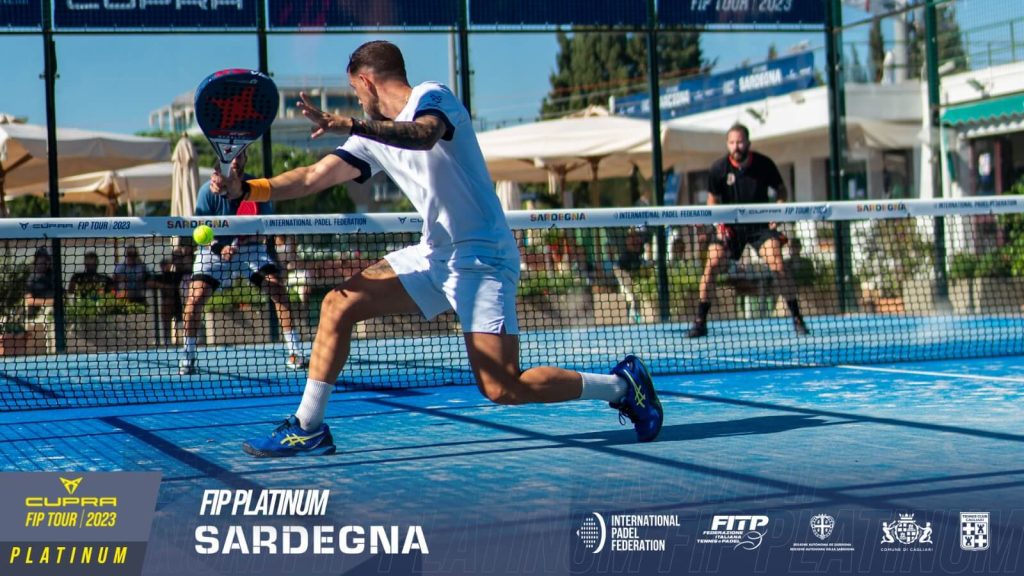
Padel, a sport that combines elements of tennis and squash, is gaining worldwide fame and popularity. Among the skill sets valuable for an intermediate padel player, one technique stands out for its offensive potential - the Vibora. This aggressive overhead shot adds tremendous side spin, creating challenging angles and unpredictable bounces off the walls. In this lesson, we will explore the intricacies of the Vibora, comparing it to the Bandeja, breaking down the essential techniques, identifying common mistakes, providing pro tips, and recommending practice drills to help you master this valuable shot.
Understanding the Vibora: Concept and Mechanics
The Vibora shot is widely regarded as an advanced recreation of the overhead smash but with significant differences, particularly in its impartation of side spin. This section will elaborate on the foundational concepts necessary for executing the Vibora effectively.
The Purpose of the Vibora
The primary goal of the Vibora is to hit the ball with enough side spin so that it curves away from your opponent, making their return difficult while simultaneously setting you up for your next shot. This shot is particularly effective when used against players who are not positioned well on the court. The additional benefit of using the Vibora is to disrupt your opponent's rhythm, forcing them to adapt to the spin and speed that distinguishes this shot from more straightforward options like the smash or the lob, offering a tactical advantage.
Comparison to the Bandeja
Understanding the distinctions between the Vibora and the Bandeja is crucial for grasping when to apply each shot in match scenarios. Below are the major differences:
- Spin Type: The Vibora employs side spin, whereas the Bandeja relies on backspin. The side spin of the Vibora creates a lateral kick off the walls, making it more unpredictable for opponents.
- Wrist Movement: The Vibora requires a significant wrist snap at contact - this is the key to generating side spin. In contrast, the Bandeja focuses more on stability and control, often with less wrist action.
- Timing and Strategy: The Vibora is used primarily as an attacking shot, best suited for situations where you can capitalize on your opponent's positioning, while the Bandeja is typically used as a defensive shot to buy yourself time.
- Control and Confidence: Pulling off a successful Vibora can be an exhilarating skill that requires confidence. The shot is more of a statement of aggression, whereas the Bandeja is a calculated, longer-term play.
Preparation: Setting Up for the Vibora
The preparation phase is critical, and it mimics that of the Bandeja. Here’s how to set up:
- Foot Position: Position your feet shoulder-width apart, with your non-dominant foot slightly ahead.
- Grip: Use the semi-western or eastern grip, which allows for better wrist movement during the shot.
- Window of Opportunity: Anticipate your opponent's ball and move quickly to the ideal hitting position, ideally positioning yourself under the ball with your knees slightly bent.
- Body Alignment: Align your shoulders parallel to the net. This positioning enables a more efficient transfer of body weight and contributes to greater control and accuracy when executing the Vibora.
The Mechanics of the Vibora
To achieve a successful Vibora, the mechanics are paramount. Below are the steps to execute it properly.
Executing the Vibora
Here is a breakdown of the shot mechanics:
- Backswing: Start your swing by drawing the racquet back, similar to a classic overhead shot. Maintain a relaxed grip and ensure that you have enough space to generate power.
- Racquet Angle: As you begin to move forward into your stroke, position your racquet with the strings angled slightly downward, preparing to lift the ball. This is crucial for applying that side spin.
- Acceleration: Transfer your weight from your back foot to your front foot as you begin your forward swing, while maintaining your focus on the ball. This weight transfer helps generate the necessary power for your shot.
- Contact Point: Aim to contact the ball at the apex of its bounce, slightly in front of your body. This maximizes your reach and helps ensure that your shot can curve effectively.
- Wrist Snap: The most critical phase is the wrist snap. At contact, execute a sharp flick of the wrist from the outside in—a constraint for imparting side spin. This action will result in a curving trajectory, causing the ball to dribble down the wall unpredictably. This key stage separates a proficient Vibora from a typical overhead.
- Follow-Through: Conclude your swing smoothly, letting your racquet finish high, ideally above your shoulder. This helps maintain good balance and prepares you for your next move.
Common Mistakes in Executing the Vibora
Understanding common mistakes will help you recognize areas in your form that require improvement. Here are some pitfalls in executing the Vibora:
- Insufficient Wrist Action: Many players struggle with the wrist snap necessary to impart side spin. A lack of wrist motion will lead to predictable shots that opponents can easily counter.
- Poor Timing: Executing a Vibora before the ball reaches its peak can lead to mistimed shots lacking desired control and spin.
- Inadequate Setup: Not positioning themselves appropriately to hit the Vibora can hinder contact and lead to decreased power and accuracy.
- Over-Hitting: Trying to hit the ball too hard can cause loss of control. It's critical to focus on technique and spin rather than raw power.
- Neglecting the Follow-Through: Not following through correctly can result in a loss of spin and direction, leading to less controlled shots.
- Lack of Confidence: A tentative approach might lead to half-hearted attempts, causing suboptimal wrist snap and resulting in ineffective shots.
Pro Tips for Mastering the Vibora
Mastering the Vibora requires dedication and practice. Here are some tips from professional players and coaches to refine your technique:
- Watch Professional Players: Observing the techniques of top players like Juan Lebrón or Alejandra Salazar can offer insight into effective Vibora execution.
- Video Analysis: Record yourself practicing the Vibora and analyze your form. Look for the wrist snap and follow-through.
- Focused Practice: Devote sessions specifically to practicing the Vibora. Start slow, focusing on spin and then gradually build up speed.
- Strategic Placement: Work on hitting the Vibora to specific areas of the court, targeting your opponent’s weaknesses.
- Physical Conditioning: Enhance your fitness regimen to improve overall timing, leg strength, and core stability. This is crucial for optimal performance and reducing injury risk.
- Mental Resilience: Sharpening mental focus and building confidence can enable you to execute the Vibora intuitively in high-pressure situations. Visualization exercises can be beneficial here.
Practice Drills for Developing Your Vibora
Efficient practice drills will help you internalize the Vibora technique for effective matchplay. Here are several structured drills:
Drill 1: Vibora Isolation Practice
Objective: Focus on wrist snap and contact point.
- Setup: Use a wall or rebound board. Stand about 3-4 meters away.
- Repetitions: 20 Vibora shots at a slow pace, focusing on wrist mechanics.
- Timing: 10 minutes of continuous practice.
Drill 2: Partner Vibora Exchange
Objective: Improve timing and placement.
- Setup: Partner with another player. Stand approximately 5 meters apart.
- Execution: Alternate Vibora shots, focusing on varying the target areas.
- Repetitions: Maintain rally for 10-15 minutes, looking for consistent rhythm.
- Variation: Introduce additional constraints such as hitting the Vibora only after the ball hits the back wall, enhancing your adaptability to different ball trajectories.
Drill 3: Vibora to Target
Objective: Improve target accuracy and strategic placement.
- Setup: Mark out three zones on the opponent’s side of the court - ideal areas to hit your Vibora.
- Execution: Aim for the targets with a Vibora following a feed from a partner. Focus on achieving at least 2 successful hits per target.
- Repetitions: 3 sets of 15 shots to different targets.
Drill 4: Game Simulation
Objective: Apply Vibora during match play scenarios.
- Setup: Conduct a mock match against a practice partner.
- Execution: Limit the use of Vibora but emphasize its application as an offensive shot. Introduce conditions like needing to land X-number of Viboras in a game.
- Duration: Complete a set of games, focusing on shot selection and tactical advantage gained.
- Observation: Reflect on each Vibora executed during the match: what went well, what could be improved, and how it affected your opponent’s play.
Drill 5: Vibora Under Pressure
Objective: Train to execute the Vibora under stressful conditions.
- Setup: Simulate high-pressure match scenarios with a partner hurling challenging lobs at you.
- Execution: Perform Viboras under these conditions, focusing on maintaining technique and accuracy irrespective of the pressure.
- Assessment: After the drill, debrief with your partner to discuss the challenges and to strategize for improvement.
Summary
The Vibora is a powerful shot that, when executed correctly, can significantly enhance your offensive game in padel. By understanding its mechanics, practicing diligently, and learning from both your mistakes and successes, you can become a more formidable opponent on the court. Always remember the fundamental differences between the Vibora and Bandeja, the importance of wrist snap and timing, and utilize drills to build your proficiency. With dedicated practice, the Vibora will become an essential part of your shot arsenal, providing you with that much-needed edge in competitive play. Always keep refining your technique through varied practice routines and be open to evolving your approach based on the play styles of different opponents.
My Notes
No notes yet