
Return of Serve Basics
Summary
How to return serve and start the rally right
Return of Serve Basics in Padel
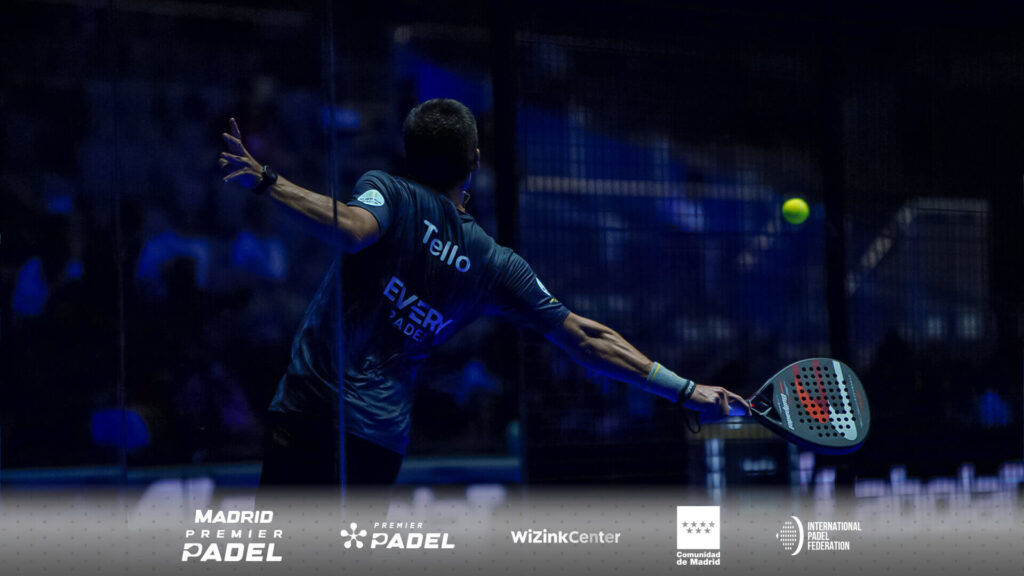
Returning serves effectively is one of the most critical skills in padel. A good return not only sets the tone for the entire point but also puts pressure on your opponents right from the start. This comprehensive guide will cover the essential techniques for returning serves, and will provide you with practical drills and common mistakes to avoid. By the end of this lesson, you will be equipped with the knowledge to improve your return of serve and, consequently, your overall gameplay.
Understanding the Importance of a Good Return
The return of serve in padel can often be overlooked by beginners, but its significance cannot be overstated. A strong return can shift the momentum of a match and can serve as an equalizer, especially when facing a powerful server. The return provides you with an opportunity to take control of the rally. Here are a few aspects to consider:
- Setting the Tone: A well-executed return challenges your opponents' confidence.
- Positioning: By returning effectively, you can dictate the position of your opponents on the court.
- Creating Opportunities: A good return can lead to immediate offensive plays.
As you progress through the lesson, focus on understanding your positioning, the different types of return options, and how to execute them effectively.
Positioning for the Perfect Return
Before the server begins their serve, your positioning and readiness are crucial in maximizing your return potential. Here are the key concepts regarding positioning:
Stand 1 Meter Behind the Service Line
Positioning yourself approximately one meter behind the service line gives you enough room to move forward while also allowing you to gauge the speed and direction of the serve. This distance helps in judging how to respond effectively against various types of serves.
Stay On Your Toes
Being on your toes not only keeps you agile but also allows you to react quickly to the serve. A common mistake made by beginners is standing flat-footed, which may slow down their reaction time. Always be ready to move:
- Make quick, light steps.
- Balance your weight on the balls of your feet for better mobility.
Watch the Server’s Body Language
Understanding your opponent's body language can give you vital clues about the type of serve they will play. Look for:
- Grips: A continental grip often signals a slice or a spin serve.
- Posture: An aggressive stance may indicate a powerful flat serve.
- Eye Contact: The server’s eyes may give away where they intend to direct the ball.
By reading the server effectively, you can anticipate their serve and position yourself appropriately to increase your chances of making a successful return.
Return Options: Choosing the Right Return
There are three primary types of returns you can employ against serves in padel. Each option has its advantages, and the choice often depends on the speed and placement of the serve.
Lob Return
The lob return is the safest and most forgiving technique for beginners. It allows you time to recover and get into a strong position for the next shot. Here’s how to perform it:
- Stance: As the ball approaches, adopt a slightly open stance, positioning your non-dominant foot forward.
- Preparation: Use a full racket motion, moving the racket above your head to generate enough height.
- Contact: Make contact with the ball just in front of your body, angling the racket upwards.
- Follow Through: Follow through with your racket, allowing it to extend upwards to add height to your return.
This method not only allows you time but also serves to re-position your opponents further back, creating distance from the net.
Drive Return
The drive return is a more aggressive option that seeks to hit the ball firmly and deep into the opponent's court. This technique puts pressure on them and forces them into a defensive position.
- Stance: Begin with an open stance, ideally with your feet shoulder-width apart.
- Preparation: Rotate your shoulders back and utilize a swift forward motion.
- Contact: Aim to strike the ball with a flat racket face, targeting the lower half of the ball.
- Follow Through: Extend your racket toward your target, maintaining a low trajectory.
Try to aim for deep corners of the court or the body of your opponents to maximize the effectiveness of this return.
Chiquita Return
The chiquita return is a delicate, low-trajectory shot aimed at the net player’s feet. This option works particularly well against servers who stand close to the net.
- Stance: Set up with an open stance to facilitate quick lateral movements.
- Preparation: Utilize a soft grip with a short backswing to reduce power.
- Contact: Tap the ball softly, striking it just in front of your body.
- Follow Through: Use a gentle flicking motion, directing the ball low and towards the feet.
Utilizing the chiquita return forces your opponents, especially at the net, to lower their racket and react quickly, increasing the chances of a mishit.
Common Mistakes in Returning Serves
Understanding common mistakes can significantly enhance your learning process. Here are frequent pitfalls to avoid:
- Flat Feet: Failing to remain on your toes can slow down your reaction, making it difficult to reach the ball in time.
- Overcommitting to Power: In an attempt to hit the ball powerfully, many beginners miss their intended targets or hit the ball out of bounds. Start with control before focusing on power.
- Neglecting to Watch the Ball: Keeping your eyes on the incoming ball is essential in timing your return accurately.
- Ignoring the Serve's Spin: Recognizing the spin can help adapt your return; failing to do so may lead to mis-hits.
Pro Tips for Effective Returns
Here are some tips from professional padel players and coaches that can aid in improving your return skills:
- Practice Consistency: Focus on making consistent contact with the ball when practicing your returns.
- Vary Your Returns: Try mixing different return types during practice sessions to develop adaptability.
- Watch Professional Matches: Observe how professional players, such as Juan Lebron or Alejandra Salazar, effectively return serves during tournaments—analyze their footwork and body positioning.
- Communicate with Your Partner: When playing doubles, clear communication regarding your return intentions can enhance your overall teamwork.
Practice Drills to Improve Your Return of Serve
Implementing specific drills can greatly enhance your return technique and overall confidence. Here are a few drills to try:
Drill 1: Lob Return Focus
- Objective: Practice consistently performing lob returns.
- Setup: 2 players: one serves, the other returns.
- Steps:
- Player A (server) executes serves to the other player.
- Player B (returner) practices lob returns using the techniques covered earlier.
- Spend 10 minutes on this drill.
- Repetitions: Aim for a minimum of 25 successful lob returns.
Drill 2: Drive Return Accuracy
- Objective: Improve the accuracy of drive returns.
- Setup: Use cones or items as targets on the court.
- Steps:
- Player A serves to Player B, who aims to hit one of the target points.
- Alternate serves for 15 minutes.
- Count how many times you hit your target successfully.
- Repetitions: Aim for a minimum of 15 successful drive returns targeting different spots.
Drill 3: Chiquita Return Challenge
- Objective: Get used to making low returns at the net player’s feet.
- Setup: Two players and a net player positioned at the net.
- Steps:
- Player A serves, and Player B attempts a chiquita return, aiming to place the ball at Player C’s feet.
- Players rotate positions after every 10 serves.
- Repetitions: Challenge yourself by attempting this for 20 rounds.
Summary
In conclusion, mastering the return of serve is fundamental to becoming a successful padel player. Pay close attention to your positioning, learn the various return options, and more importantly, practice regularly while remaining mindful of common mistakes.
Begin with safe choices such as lob returns, and as your confidence builds, diversify your technique by adding drive and chiquita returns. Always remember that a great return not only influences the current point but can significantly affect the psychological aspect of the match. By honing these skills and employing the practice drills provided, you will undoubtedly see improvements in your gameplay.
Continue practicing and analyzing other players to remain adaptable and effective in your return game. Good luck, and enjoy your padel journey!
My Notes
No notes yet