
Group Dynamics and Management
Summary
Effectively manage groups of different sizes and skill levels
Introduction
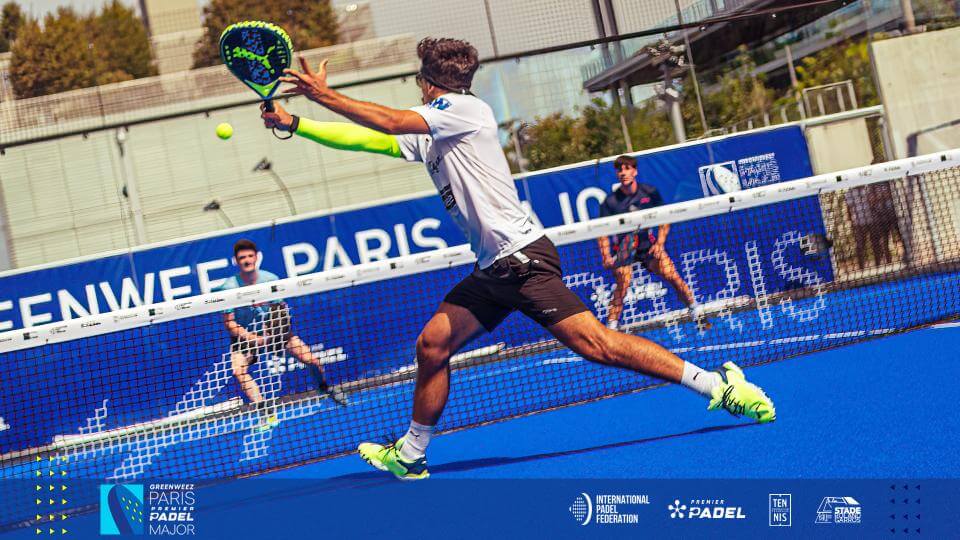
As an advanced padel coach, managing group dynamics and ensuring effective learning experiences for players of various levels is paramount. The ability to handle different types of learners, their unique skill sets, and the intricacies of interpersonal relationships within the group can directly impact not only the players' learning curve but also their enjoyment of the game.
This lesson will delve into the complexities of group management in padel lessons, addressing everything from communication strategies to safety awareness, distribution of attention, and maintaining excitement throughout the sessions. We will explore group class challenges, considerations based on class size, and strategies to keep all players active. Expect practical drills and expert tips to elevate your coaching methodology.
1. Group Class Challenges
a. Clear Communication
Efficient communication is the cornerstone of any successful group lesson. Coaches must articulate instructions clearly and concisely while remaining approachable. It is essential to tailor communication styles according to the audience's skill levels and familiarity with the game.
- Use Visual Cues: Demonstrate techniques or plays to provide a visual reference.
- Encourage Questions: Create an environment where students feel comfortable seeking clarification.
- Check for Understanding: Ask players to summarize the instructions to ensure comprehension.
b. Safety Awareness
Prioritize safety to prevent injuries and create a positive learning environment. Always remind players to be mindful of their surroundings, especially in multi-court settings. Emphasize the importance of teamwork and spatial awareness, particularly when executing drills or matches.
- Pre-Session Briefing: Discuss safety protocols before each lesson.
- Warm-Up Routines: Incorporate dynamic stretches and specific movement drills to prevent injuries.
- Monitor Court Activity: As students engage in drills, watch for any signs of unsafe practices.
c. Equal Attention Distribution
Each player deserves attention, regardless of their skill level. Balancing your focus can be challenging, particularly in larger groups. It's crucial to engage with each player actively and strategically:
- Rotating Feedback: Provide individualized feedback during drills by rotating between players.
- Group Pairing: Use pairing systems where advanced players can support beginners.
- Utilize Observational Learning: Encourage players to exchange feedback by observing each other during drills.
d. Maintaining Dynamism
To keep the energy high and prevent disengagement, maintain a flexible teaching style that adapts to the group's dynamics. Introduce a variety of drills, games, and activities that cater to different learning styles.
- Mix Drills and Games: Alternate between structured drills and fun, competitive games.
- Encourage Peer Interaction: Facilitate discussions among players about strategies or experiences.
- Incorporate Movement Breaks: Use short breaks to prevent fatigue and rejuvenate enthusiasm.
2. Class Size Considerations
a. 2 Students
In one-on-one settings, personalizing the lesson becomes incredibly straightforward. This format is ideal for targeting advanced competitive play. Focus on high-intensity drills that challenge their skills and push their limits.
- Drills: Implement challenge drills such as pair volleys progressing to approach shots aimed at placement and power.
- Session Structure: Each student takes turns initiating drills while the other observes and provides feedback.
b. 3 Students
With three students, implementing rotation systems is highly effective. Assign roles and responsibilities to maintain engagement while ensuring that everyone is involved.
- Drill Structure: Run a series of drills where one player is on serve, one returns, and the third observes, swapping every rep.
- Game Format: Play short matches where two players face off against each other while the third acts as the referee or scorekeeper.
c. 4+ Students
In larger groups, circuit training becomes the go-to method. Use cones to designate different drilling stations, ensuring everyone is continuously engaged without waiting periods.
- Drill Stations: Set up four separate drills focusing on different skills (e.g., serving, volleying, groundstrokes, and movement).
- Timing: Allocate 8-10 minutes per station, allowing each player to rotate through each drill.
d. Children
When teaching younger players, a game-based approach is most effective. It fosters both enjoyment and skill development.
- Game Selection: Start with fun games like “King of the Court” to enhance competitive spirit.
- Skill Focus: Incorporate fun drills that emphasize hand-eye coordination and rule comprehension.
- Quick Feedback: Keep instructions light and simple to maintain their focus and enthusiasm.
3. Keeping Everyone Active
a. Minimize Waiting Time
Long waiting times can lead to disengagement and frustration, particularly in groups participating in drills. Utilize the space efficiently to keep everyone involved.
- Rotation Strategy: Set a limit of 30 seconds per player on drills involving waiting, ensuring a continuous flow.
- Off-Court Activities: Introduce shadow drills or footwork exercises for players waiting for their turn.
b. Use All Court Space
Maximizing court usage allows for a more engaging session. Don’t confine all drills to one half of the court. Spread the activities across the full playing area.
- Mixed Court Activities: While one group practices volleys at the net, others can work on groundstrokes on the backcourt.
- Different Levels: Create drills where groups at different skill levels can practice simultaneously without interference.
c. Parallel Activities
Encourage varied activities that stimulate participation from all players. By pairing similar drills for different groups, you can keep everyone engaged.
- Drill Variation: Set up parallel activities where advanced students practice shot placement while beginners work on hand-eye coordination.
- Skill Matching: Pair up players of similar abilities on side-by-side courts to promote engagement and competition.
Common Mistakes
- Neglecting Individual Needs: Failing to recognize and address the distinct needs of each player can hinder development.
- Overloading Instructions: Providing excessive information can overwhelm players. Focus on one or two key points per session.
- Stagnant Drills: Repeatedly using the same drills without variation can lead to boredom. Introduce new concepts frequently.
- Ignoring Group Dynamics: Overlooking the social dynamics within the group may lead to discomfort or conflict among players.
Pro Tips
- Balance Interaction: Make an effort to connect with each player personally to better understand their goals and challenges.
- Encourage Teamwork: Foster a sense of camaraderie by occasionally introducing team-based drills.
- Stay Adaptive: Modify the pace and drill types based on real-time observations of player engagement levels.
- Use Mindfulness Techniques: Incorporate moments for players to reflect on their emotions and focus levels during the session.
Practice Drills
1. Progressive Skill Builder (15-20 minutes)
This drill focuses on fundamental skills while varying intensity. Start with basic drills and gradually increase difficulty.
- Step 1: Alternate groundstroke rallies (5 minutes).
- Step 2: Introduce volleys (5 minutes).
- Step 3: Progress to game-like scenarios with specific shot placements (5-10 minutes).
- Observation: Rotate players every five minutes to experience different roles.
2. Reaction Drill (10 minutes)
This drill emphasizes quick reflexes and spatial awareness.
- Instructions: Players take turns serving, and the receiver must react to random ball placements called out by the coach.
- Repetitions: Continue until each player has served five times.
- Feedback: Provide immediate feedback on players’ stance and movement.
3. Fitness Circuit (20 minutes)
Designed for groups with more than four players, this circuit training focuses on footwork, agility, and on-court skills.
- Station A: Shadow swings (2 minutes)
Emphasize footwork without hitting the ball. - Station B: Cone sprints (2 minutes)
Sprint between cones laid out in a zig-zag pattern. - Station C: Wall volleys (2 minutes)
Players volley against the wall in pairs, focusing on placement. - Schedule: Rotate every 2 minutes for an overall 20-minute session.
Summary
Effectively managing groups of different sizes and skill levels in padel requires a multifaceted approach that incorporates communication, safety awareness, equitable attention distribution, and dynamism to maintain engagement. Consider the class size when designing lessons, and implement strategies that foster inclusivity with all players in mind. By minimizing waiting time, utilizing all court space, and creating parallel activities, you can foster an environment conducive to learning and enjoyment.
Remember to remain adaptable to the group dynamics and individual needs. Incorporate structured drills while providing ample opportunities for players to engage with one another. As you refine your coaching strategies, continually seek feedback from your players to enhance the learning experience. The goal is not only to improve individual skills but also to nurture an enduring passion for the game of padel.
My Notes
No notes yet