
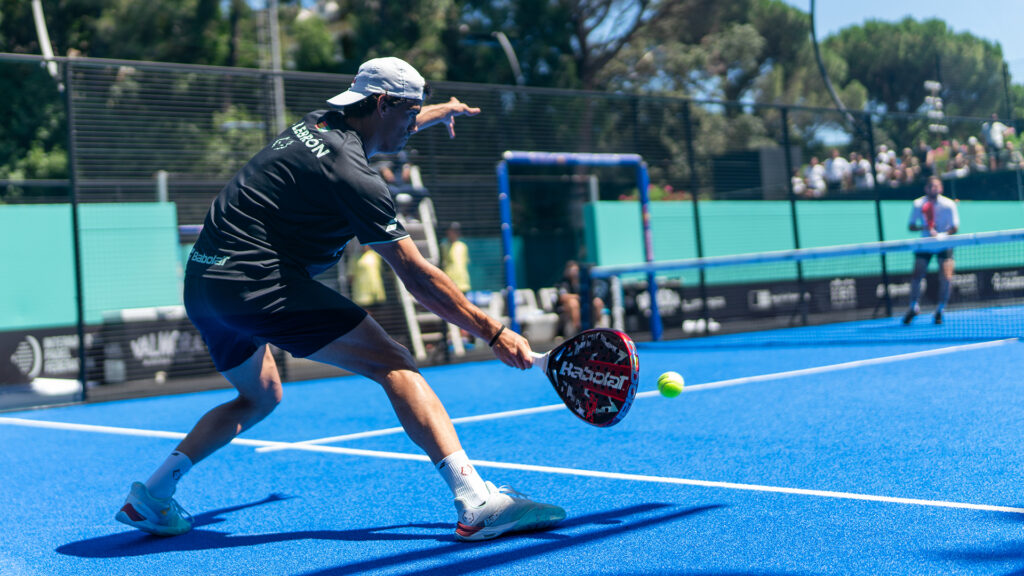
Double Wall Play (Doble Pared)
Summary
Handle balls bouncing off two walls consecutively
Double Wall Play (Doble Pared): Mastering the Art of Strategic Bounces
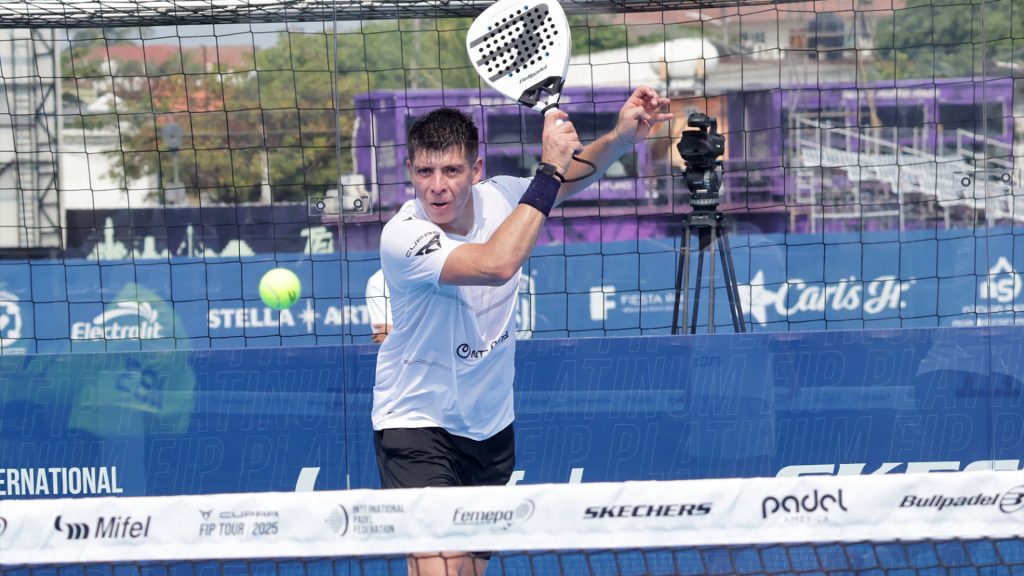
Paddle may look simple, but it challenges players with tactical complexity and dynamic gameplay. Among the many techniques intermediate players encounter, mastering Double Wall Play, known as Doble Pared, is critical for elevating gameplay. This concept involves handling balls that bounce off two walls consecutively, leading to some of the trickiest scenarios on the court. Understanding the nuances of this technique will not only enhance your shot selection but also your overall strategic play.
Understanding Double Wall Play
Double Wall Play occurs primarily in two formats: Back to Side (B2S) and Side to Back (S2B). Each variation requires distinct positioning strategy and shot anticipation to ensure an effective response. Let’s explore both concepts in detail.
Back to Side (B2S): The Direction Shift
In a Back to Side scenario, the ball first strikes the back wall and then encounters the side wall. This double bounce alters the ball's trajectory, making it crucial for players to adjust their positioning accordingly to intercept the ball at the right moment.
- Positioning: Stand slightly further from the back wall, ensuring ample space to move towards the side wall after the ball bounces off.
- Reading Trajectory: Observe the spin and speed upon the ball's initial launch. A fast ball typically yields a sharper angle towards the side wall.
- Timing: As a rule of thumb, aim to intercept the ball after it has bounced off the second wall—but be ready to adjust based on how fast the ball is traveling.
For instance, if a player like Juan Martín Díaz hits the ball, you'll notice how the ball accelerates after it hits the back wall, necessitating a swift adjustment to intercept it effectively.
Side to Back (S2B): The Curvature Dilemma
Conversely, in a Side to Back scenario, the ball first hits the side wall, which creates a curve in its trajectory before it collides with the back wall.
- Curved Interception: This play demands quick decision-making and even quicker footwork to correctly position yourself for the next shot.
- Reading the Angle: It’s crucial to observe the angle at which the ball approaches the back wall. A sharper angle increases the chances of coming at you post-side wall bounce.
Many professional players, such as Alejandra Salazar, excel in reading and reacting to such curved shots, providing them with a significant advantage in rallies.
Advanced Concepts in Double Wall Play
To further elevate your skills, delve into advanced concepts that are integral to double wall play:
Understanding Spin and Slice Effects
The spin and slice applied by opponents play a pivotal role in how the ball will interact with the walls. Recognizing whether a ball has topspin, backspin, or side-spin can significantly impact your anticipation and positioning.
- Topspin: Causes the ball to dip more sharply after the bounce, often resulting in a higher rebounding angle off the first wall. Be prepared for a faster descent post-bounce.
- Backspin: Tends to slow the ball down, making the wall bounce more predictable and potentially allowing for more controlled shots on your part.
- Side-spin: Influences lateral movement after each wall contact. It can alter expected paths, so focus on maintaining balance and watch closely the ball's rotational axis.
Enhancing Footwork and Agility
Agility drills are essential for improving your reaction times and ability to adjust quickly:
- Lateral Shuffles: Practice lateral shuffle exercises to enhance side-to-side movement. This increases responsiveness when adjusting for double bounces.
- Speed Ladder Drills: Implement speed ladder drills focusing on quick foot placement. This will improve your readiness and foot agility, crucial for repositioning.
Reading and Anticipation
A strong ability to read the bounce and anticipate its eventual path is essential for mastering double wall play. Key elements include:
- Watching Speed: A fast ball approaching the double walls generally will come out at a more acute angle after the final bounce. Recognizing speed allows you to set yourself appropriately.
- Anticipating Exit Angle: The combination of bounce angles results in a variety of exit trajectories. Spend time understanding how different angles affect your comeback shots.
- Avoid Crowding the Walls: Positioning yourself too close to the walls can restrict movement and reduce visibility on the ball’s final trajectory. Maintain a safer distance to give yourself room for adjustments.
Making Strategic Decisions in Double Wall Play
Effective double wall play is not merely about reacting; it's about strategic decision-making. Here are key factors to consider:
- Shot Selection: Be aware of what shot to hit after intercepting the double bounce. Your follow-up shot should aim for an open space on the court or to exploit a weakness in your opponents’ positioning.
- Communication: In doubles, it’s imperative to communicate with your partner, especially when navigating tricky double wall plays. Calling out intentions can prevent confusion and overlapping efforts.
- Play to Your Strengths: Understand your shot capabilities and choose how aggressive or defensive you want to be in doubles wall situations, always considering your partner’s position and skills.
Psychological Aspects of Double Wall Play
Confidence and focus are vital when dealing with complex game scenarios such as double wall plays:
- Visualizing Success: Visualization techniques can mentally prepare you for matches. Imagine intercepting the ball successfully before each rally.
- Staying Composed: High-pressure games can lead to rushed decisions. Practice breathing techniques to maintain calm and make more grounded tactical choices.
Common Mistakes in Double Wall Play
Despite the best intentions, players often make critical errors when attempting double wall play:
- Improper Footwork: Hesitating to move or misjudging the ball’s speed may lead to missed intercepts. Always be ready to adjust your feet quickly.
- Not Reading the Walls: Underestimating how much the walls impact ball trajectory can lead to poor responses. Devote time to understanding the effects and developing your anticipation skills.
- Crowding the Wall: Positioning yourself too close to the walls reduces your ability to react efficiently. Always maintain an appropriate distance to allow for mobility.
Pro Tips for Mastering Double Wall Play
Incorporating these pro tips into practice will enhance your double wall play proficiency:
- Practice with Varied Ball Heights: Have your partner hit varying lobs and shots to you in both B2S and S2B formats. Adjust to different heights, speeds, and angles to improve your adaptability.
- Shadow Play: Imagining situations where you successfully intercept the ball after its two wall bounces can mentally prepare you for live play.
- Focus on Follow-ups: Work on your second shot after executing a double wall play. Establish targets for accuracy, aiming for corners or areas where your opponents may be out of position.
- Film Analysis: Recording your gameplay sessions to analyze your positioning and reaction can reveal gaps in your skill set and show where improvements are necessary.
Practice Drills for Double Wall Play
Integrating targeted drills into practice can solidify your double wall play skills. Below are some recommended drills focusing on B2S and S2B plays with detailed specifications for repetitions and execution:
Drill 1: Corner Lobs
Objective: This drill enhances your ability to track balls as they bounce off two walls.
- Equipment: Padel racket and balls.
- Setup: One player serves or lobs from the base line to one of the back corners.
- Execution: Your partner will alternate hitting the ball at the two back corners.
Steps:
- Your partner randomly selects a back corner to deliver the ball.
- As the ball approaches, observe its trajectory. Move toward the anticipated interception point after both wall bounces.
- Vary ball speeds and spin for increased challenge.
Repetitions: Perform 10 returns from each corner, rest for 1 minute, and repeat three rounds.
Drill 2: Sidewall Bounce Series
Objective: Hone your ability to intercept and follow up shots from the side wall.
- Setup: This drill requires a rebound wall setup.
- Execution: Your partner lobs the ball toward the side wall.
Steps:
- Your partner hits the ball to the side wall, where the ball then bounces off the back wall.
- Be positioned at a distance where you can intercept just past the corner after the back-wall bounce.
- Focus on your shot execution and directional placement after the initial hit.
Repetitions: 10 shots, 1 minute rest, repeat for three sets.
Drill 3: Dual Game Practice
Objective: This simulation encourages decision-making in real-match scenarios while navigating double wall plays.
- Setup: Pair up with a partner and play doubles.
- Execution: Engage in match play, intentionally hitting balls into positions that will result in double wall scenarios.
Steps:
- Encourage deliberate strategies to maneuver the ball toward the back and side walls to generate double wall situations.
- Focus on skill execution, communication, strategy, and anticipating your opponents' responses.
Repetitions: Play matches for a set duration (e.g., 15 minutes) focusing solely on double wall plays.
Summary
Mastering Double Wall Play is essential for intermediate players looking to refine their skill set in padel. By understanding the nuances involved in B2S and S2B scenarios, enhancing reading and anticipation skills, and integrating targeted practice drills, you can significantly amplify your tactical approach and on-court performance.
Remember, effective gameplay stems from a combination of strategic positioning, shot selection, and quick adaptations. Continue practicing your skills, learn from professional players, and implement the recommended drills to enhance your proficiency in double wall play. With dedication and perseverance, you’ll navigate even the trickiest of double wall situations like a pro!
My Notes
No notes yet