
Physical Conditioning for Padel
Summary
Understanding the key physical qualities needed for padel and how to develop them
Introduction
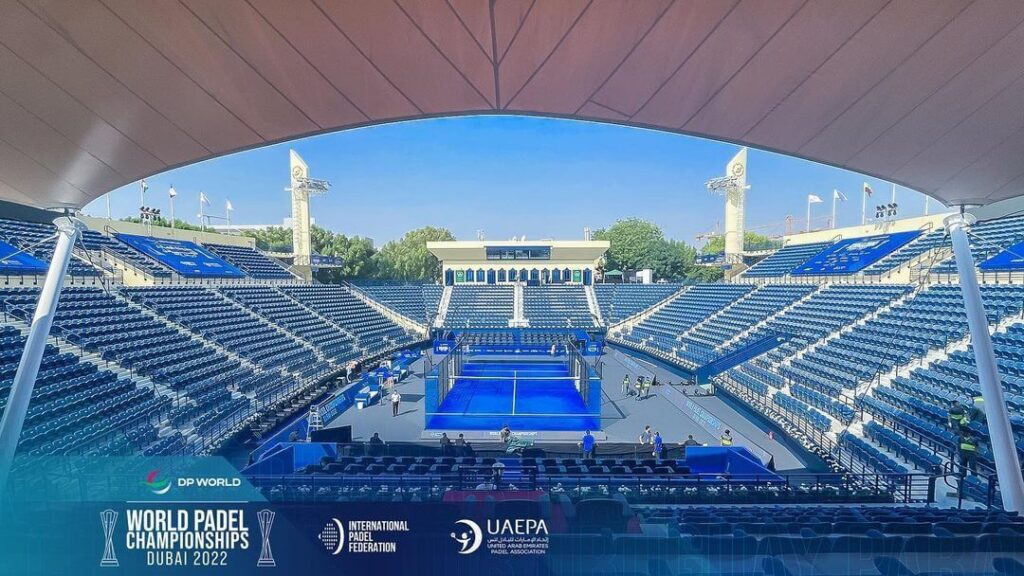
Paddle is a unique sport that blends elements of tennis and squash, demanding a specific combination of physical, technical, tactical-strategic, and psychosocial skills. While mastering the shots and developing game strategies are critical, players must not overlook the importance of physical conditioning. This lesson focuses on understanding the physical qualities necessary for optimal performance in padel and how to develop them effectively.
1. Factors Influencing Performance
In the realm of padel, various factors contribute to performance levels. Recognizing these elements allows players to tailor their training and conditioning regimens for better results. Below, we will dive deeper into the factors that directly influence performance, focusing particularly on the physical aspect.
a. Physical
The physical attributes required for padel include agility, endurance, strength, and flexibility. Each of these qualities plays a significant role in facilitating smooth movement, explosive actions, and sustained match performance.
Agility
Agility is crucial in padel, as players must quickly change direction and reposition themselves. Dynamic movements such as lunging, side-stepping, and sprinting allow for effective shot placement and court coverage. Training agility requires exercises that improve fast-twitch muscle fibers and overall coordination.
Endurance
Endurance is essential for prolonged matches, particularly in competitive environments. Players need to maintain a high level of energy throughout the game, enabling them to recover between rallies and execute shots effectively. A conditioning program focusing on cardiovascular endurance will contribute to improved overall performance.
Strength
Strength empowers players to hit powerful shots and stabilize their bodies during play. Upper body strength assists in executing serves and overheads, while lower body strength is vital for efficient footwork and court coverage. Resistance training can enhance muscle strength, which directly translates to improved shot power and stability.
Flexibility
Flexibility allows for a greater range of motion, reducing the risk of injuries and improving shot precision. Stretching routines should be integrated into a player's training regimen to enhance flexibility and ensure smooth movements during games.
b. Technical
Technical skills such as stroke execution, proper grip, and foot positioning are fundamental in padel. Players must invest time in mastering these techniques, as they serve as the foundation for effective play. However, physical conditioning enhances the ability to execute these technical skills with more efficiency and power.
c. Tactical-Strategic
Tactical-strategic skills involve how players make decisions based on their opponent’s strengths and weaknesses, court conditions, and match situations. Developing a solid tactical plan complements physical preparation, allowing players to utilize their physical abilities effectively during a match.
d. Psychosocial
Mental strength and a cohesive team dynamic are essential components of performance in padel. Players must maintain focus, exhibit resilience during tough moments, and maintain effective communication with teammates. While physical conditioning contributes to confidence and stress management, the psychosocial aspect can also greatly influence performance.
2. How Physical Condition Affects Your Game
The physical condition of a player affects nearly every aspect of the game, influencing both the execution of technique and overall performance. Understanding this relationship provides valuable insights into how players can elevate their game through physical conditioning.
a. Influence on Technique
Physical condition is the bedrock upon which technique rests. The following physical qualities significantly enhance technical execution:
- Greater Power in Shots: Stronger muscles enable players to generate more force in their shots. Improved upper body strength means that serves can be hit with greater velocity, while leg strength allows for better foundation during explosive movements.
- Faster Movement: Enhanced agility and endurance translate to quicker footwork and faster court coverage. This allows players to reach balls they might otherwise miss and set up better angles for their shots.
- Improved Stability: Developing core strength supports better balance during shot execution, thus enhancing accuracy and control. A stable base makes it easier to execute difficult shots, even in challenging positions.
3. Developing Key Physical Qualities
In order to enhance physical conditioning for padel, players can engage in various training methods targeting agility, endurance, strength, and flexibility. Below are some recommended practices to build these key qualities.
a. Agility Training
Agility drills are designed to improve reaction times and enhance overall movement on the court. Here are some effective drills:
- Ladder Drills: Set up an agility ladder on the court. Practice various foot patterns, such as lateral shuffles, high knees, and in-and-outs, for 15 minutes. Aim for 3-5 repetitions of each pattern, focusing on speed and coordination.
- Cone Drills: Place cones in a zigzag pattern approximately 3-5 meters apart. Sprint to the first cone, touch the ground, and change direction to the next cone without losing speed. Perform 5 rounds, resting for 30 seconds between each round.
b. Endurance Development
Endurance can be developed through both aerobic and anaerobic conditioning workouts:
- Interval Runs: Perform interval sprints for 20 minutes, alternating between 30 seconds of sprinting and 1 minute of walking. Aim to complete 6-8 repetitions. This simulates match scenarios, enhancing recovery and sustained energy levels.
- Long Distance Running: Incorporate a steady-state running session for 30-45 minutes at a moderate pace once a week to build aerobic capacity. This should focus on maintaining a conversational pace to enhance cardiovascular endurance.
c. Strength Training
Strength training should focus on functional movements to simulate the movement patterns in padel:
- Bodyweight Squats: Complete 3 sets of 12-15 repetitions to build lower body power. Emphasize maintaining good form and depth in the squat.
- Medicine Ball Slams: Perform 3 sets of 10-12 repetitions to develop upper body power. Focus on explosive movement while slamming the ball before it bounces back.
- Plank to Push-Up: Incorporate 3 sets of 8-10 repetitions to strengthen core muscles. This will enhance stability for better shot execution.
d. Flexibility Exercises
Flexibility is often overlooked but is essential for injury prevention and optimal movement:
- Dynamic Stretching: Begin each training session with 10 minutes of dynamic stretches targeting all major muscle groups, including leg swings, arm circles, and torso twists.
- Static Stretching: Conclude each workout with static stretches. Hold stretches for 20-30 seconds, focusing on hamstring, quadricep, shoulder, and back stretches. This should be done post-training to promote recovery and flexibility.
4. Common Mistakes
In physical conditioning for padel, players often fall into several traps that hinder their performance. Identifying these common mistakes can help enhance training effectiveness:
- Neglecting Recovery: Proper recovery is crucial for muscle repair. Players should avoid overtraining and incorporate rest days to allow for muscle rejuvenation.
- Ignoring Specificity: Performing general exercises without focusing on sport-specific movements can slow progress. Training should always correlate directly with the movement patterns required in padel.
- Insufficient Warm-Up: Jumping into intense training without proper warm-up increases the risk of injury. Spend at least 10 minutes warming up to ensure physical readiness.
- Forgetting Hydration: Dehydration reduces performance significantly. Players must ensure they are adequately hydrated before and during plays.
5. Pro Tips
To maximize your physical conditioning for padel, consider the following pro tips:
- Set Specific Goals: Define clear physical conditioning goals within a specific timeframe. For example, aim to improve agility by X% in 6 weeks.
- Incorporate Cross-Training: Complement your padel training with other sports, such as swimming or cycling, to enhance overall fitness while reducing monotony in training.
- Monitor Progress: Keep a training journal to outline workouts and physical performance metrics over time. Assess your development to make necessary adjustments to your training plan.
- Study the Pros: Observe professional players like Juan Lebrón and Alejandra Salazar to understand the physical requirements of the game. Implement strategies they utilize into your training regimen.
Practice Drills
To solidify the concepts covered in this lesson, incorporating structured practice drills is essential. These drills will reinforce the focus on agility, endurance, and strength. Here is a structured training session template:
Sample Training Session (Duration: 1 Hour)
- Warm-Up (10 minutes): Dynamic stretches and light jogging around the court.
- Agility (15 minutes):
- Ladder Drills: 3-5 repetitions of various patterns, 15 minutes total duration.
- Shuttle Runs: sprint back and forth between two points (10 meters apart) for 3 sets, resting for 30 seconds between each run.
- Endurance (15 minutes):
- Interval Sprints: 6-8 repetitions of 30 seconds sprinting and 1 minute walking, total duration 15 minutes.
- Light jogging to cool down after intervals (5 minutes).
- Strength Training (15 minutes):
- Medicine Ball Slams: 3 sets of 10-12 repetitions.
- Bodyweight Squats: 3 sets of 12-15 repetitions.
- Plank to Push-Up: 3 sets of 8-10 repetitions.
Summary
In conclusion, physical conditioning plays a pivotal role in padel performance. By enhancing agility, endurance, strength, and flexibility, players will not only improve their overall game but also their ability to compete effectively in matches. Through structured training, avoiding common mistakes, and applying pro tips, players can develop the physical attributes necessary for success. Remember that padel is a highly dynamic sport, and being physically conditioned will make you adaptable and resilient on the court. By continuing to assess your training and striving for improvement, you will set yourself up for success in your padel journey.
My Notes
No notes yet