
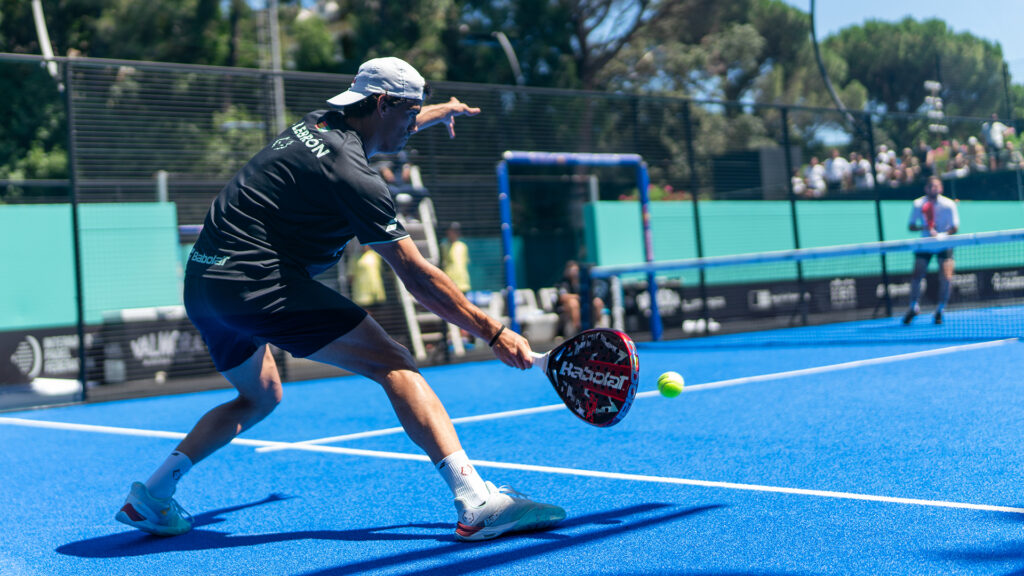
The Forehand Drive
Summary
Learn the essential forehand groundstroke that forms the basis of attacking play
Introduction
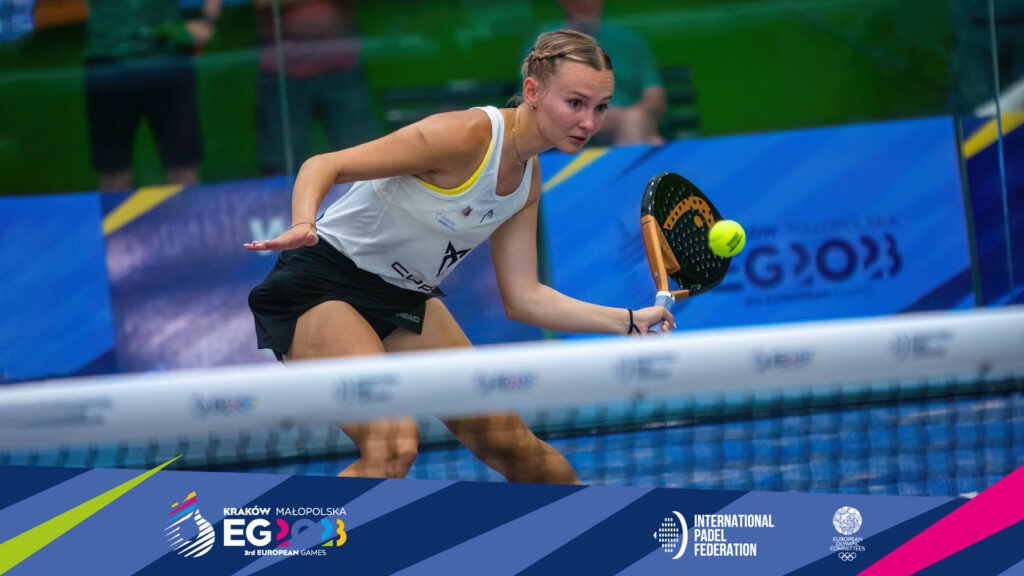
The forehand drive is one of the cornerstone strokes in padel, essential for initiating powerful attacking plays and steering the flow of a point. The power and placement of this stroke can dictate your performance on the court. Whether you’re a budding player or an experienced competitor seeking to refine your technique, mastering the forehand drive will significantly enhance your overall game. This lesson will detail every aspect of executing an effective forehand drive, necessary Preparations, and common pitfalls to avoid, supplemented with drills and tips that will improve your performance. Let's dive into the mechanics of this fundamental stroke.
1. Understanding the Forehand
The forehand drive is executed from the right side of the body for right-handers and serves as a powerful, versatile shot that can help you dominate rallies and create opportunities to score points. Its importance in padel cannot be overstated, as it often leads to strategic advantages through offensive placements and aggressive pressure on opponents.
The forehand drive can serve multiple purposes, ranging from a strong attack to a tactical placement that sets up an opponent for a following shot. Learning to execute this stroke with precision can help you—
- Maintain consistent pressure on your opponents.
- Control the pace and direction of the game.
- Develop your shot selection during matches.
In essence, the forehand drive isn’t just about generating power; it’s about utilizing technique for efficiency and effectiveness.
2. The Ready Position
Before embarking on executing the forehand drive, establishing a proper ready position is crucial. Positioning yourself correctly allows for better reactions and prepares your body dynamics for the ensuing stroke.
a. Continental Grip
The grip is paramount for a successful forehand drive. For right-handed players, the continental grip involves holding the paddle as if you were shaking hands with it. This grip allows for flexibility in shot selection and permits the use of a variety of strokes, including volleys and serves, while keeping your wrist engaged. Left-handed players should mirror this grip accordingly.
b. Knees Bent, Weight Forward
Your knees should be slightly bent with your weight distributed toward the front foot. This athletic stance allows you to remain balanced and ready for explosive movement. Keeping your weight forward aids in generating power and keeping your eyes level with the net, allowing for better ball tracking.
c. Paddle Up at Chest Height
Position the paddle height at your chest level in a ready position. This height provides an immediate readiness to react to incoming shots, allowing for a smooth transition into your swing without requiring excessive repositioning.
d. Eyes Tracking the Ball
Keeping your eyes focused on the incoming ball is essential. As the opponent strikes the ball, tracking its trajectory will improve your anticipation and timing, and prepare you for the subsequent swing.
3. Forehand Technique Breakdown
The execution of a successful forehand drive can be divided into specific phases that work together to create an effective shot. Each phase highlights various mechanics that should be mastered progressively.
a. Preparation Phase
Proper preparation is key to executing an effective forehand drive. This phase begins the moment you recognize the ball coming towards you:
- Shift your weight onto your back foot (right foot for right-timers, left foot for left-timers).
- Rotate your shoulders to face the sideline, which prepares your body for a strong forward swing.
- Bring the paddle back behind you, elbow bent, with the paddle head slightly above the grip level.
- Ensure your non-dominant hand is pointing in the direction of the ball, helping in aligning your body with the shot.
b. Swing Phase
The swing is where the real action occurs, and it must be executed smoothly and powerfully:
- Step forward with your front foot as you initiate the swing.
- Rotate your hips and shoulders forward, drawing strength from the core muscles.
- Initiate your swinging motion from low to high, striking the ball at or just in front of your front foot for optimal timing and maximum power.
- Use a full follow-through that extends your arm towards your target, ensuring that your body continues to rotate toward the net.
c. Contact Phase
The contact point for the forehand drive typically can be segmented into two types based on the incoming ball’s height:
1. Standard Drive: Strike the ball a little in front of your front foot when it arrives at waist height and slightly above.
2. Low Drive: If the ball is lower, bend your knees slightly and keep the paddle face level while ensuring to brush up on the ball for added spin.
d. Follow-Through Phase
The follow-through is a continuation of your swing and is just as important as the previous phases:
- Allow your paddle’s momentum to continue naturally after making contact.
- The paddle should ideally finish over your shoulder, which indicates good follow-through.
- This will help maintain balance and prepare yourself for the next shot.
4. Common Mistakes
Despite the relatively straightforward execution of the forehand drive, beginners can still fall prey to several common mistakes:
- Incorrect Grip: Using grips other than the continental grip can restrict shot variety and control.
- Over-Rotation: Rotating too much instead of focusing on a stable pivot point can lead to losing balance when executing the shot.
- Contact Point Issues: Failing to hit the ball at the right contact point often leads to weak returns—either too early or too late.
- Apoor Follow-Through: A short or incomplete follow-through can affect shot accuracy and miss potential power generation.
- Rushing the Shot: Many beginners rush into the shot and neglect the importance of preparation and timing.
5. Pro Tips
To enhance your forehand drive further, consider incorporating these professional tips into your practice:
- Focus on Footwork: Good footwork can enhance your position and allow for quicker shots, which aligns with the principles of the "WWFD" technique utilized by pro players like Juan Lebrón.
- Visualize the Shot: Visualization plays a role in achieving consistency and help in setting up your mind for the proper execution.
- Drills with a Partner: Engage in cooperative drills with a partner to receive various ball speeds and placements, refining your adaptability as you work on your response.
- Video Analysis: Recording your forehand drives allows for self-assessment, helping to spot and rectify technique flaws.
6. Practice Drills
To effectively develop your forehand drive skills, incorporating specific practice drills is crucial. Here are several drills you can conduct on the court:
a. Shadow Swing Drill
Purpose: To engrain the technique of the forehand without the ball.
- Repetitions: 20 swings.
- Time: 5 minutes.
- Details: Practice the full technique of the forehand drive without hitting a ball. Focus on the preparation, swing, contact point, and follow-through. Squeeze your core and visualize hitting through the ball.
b. Cross-Court Rally Drill
Purpose: To practice consistency and ball placement while focusing on technique.
- Repetitions: Keep rallying as long as possible, ideally over 30-rally exchanges.
- Time: 10 minutes.
- Details: Pair up with a partner; take turns hitting cross-court forehand drives back and forth. Focus on maintaining proper technique while aiming for a specific target area.
c. Target Drill
Purpose: To improve accuracy and shot placement.
- Repetitions: 15 shots per target.
- Time: 10 minutes.
- Details: Set up cones or markers within the court and aim to hit each target while executing forehand drives. Challenge yourself by increasing the distance over time.
d. Match Situation Drill
Purpose: To adapt your forehand drive in a game context.
- Repetitions: Play games to 11 points.
- Time: 20 minutes.
- Details: Play matches with a partner, focusing specifically on using forehand drives to initiate point play. Once you score a point with a forehand, switch roles to reinforce both players.
Summary
The forehand drive is an integral part of a padel player’s arsenal, enabling you to dictate the pace and strategy of the game. Mastering it involves understanding the correct grip, positioning, and execution while being conscious of common pitfalls. Through focused practice with specific drills and adopting professional tips, you can enhance your forehand drive technique. Remember, developing consistency takes time and dedication; ensure you keep practicing both on your own and with partners. Ultimately, your hard work will manifest in enhanced confidence and improved performance on the padel court.
My Notes
No notes yet