

Padel Injury Prevention
Summary
Common padel injuries and how to avoid them
Introduction
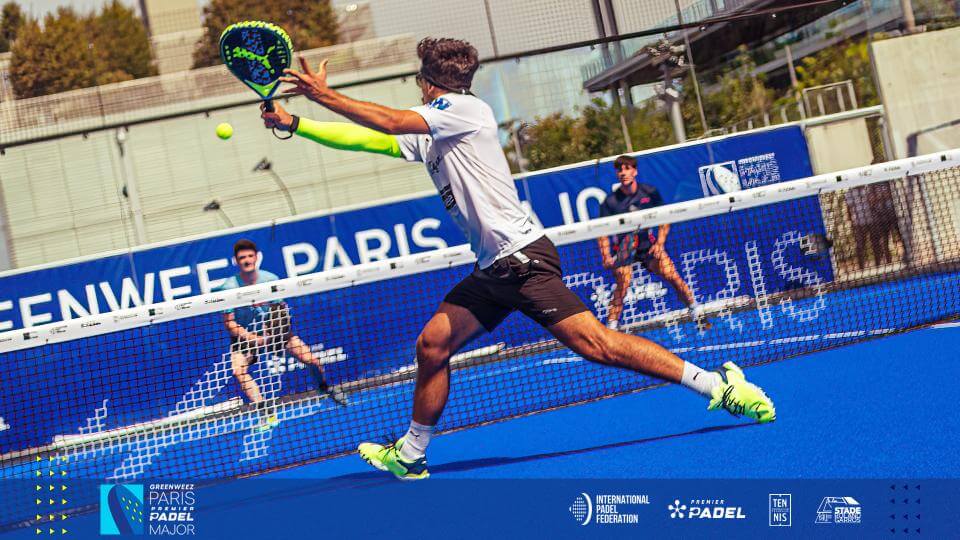
Padel is an exhilarating racquet sport that combines elements of tennis and squash, gaining immense popularity across the globe. However, with the increase in participation comes the unavoidable risk of injuries. As with any sport, understanding injury prevention is just as essential as mastering techniques and strategies. This comprehensive lesson will address common padel injuries, methods to prevent them, the importance of proper equipment, as well as guidance on when to rest or seek professional help.
Common Padel Injuries
Recognizing the most common injuries that players may encounter is key to effective prevention strategies. Below, we outline five prevalent padel injuries and the best practices to avoid them:
1. Padel Elbow (Tennis Elbow)
Padel elbow, a common form of lateral epicondylitis, results from repetitive wrist and forearm motions. This injury often affects players who grip their racket tightly and perform extensive overhead shots or fast swings. Here’s how to prevent it:
- Proper Grip: Ensure that your grip on the racket is firm but not tight. A loose grip allows for a better swing and reduces stress on the elbow.
- Racket Size and Weight: Choose a racket with an appropriate weight and grip size. An overly heavy racket can lead to excessive strain.
- Technique Correction: Work with a coach to refine your stroke mechanics to minimize strain and improper motions.
- Stretching: Regularly stretch your forearms with exercises like wrist flexor and extensor stretches to enhance flexibility.
2. Shoulder Injuries
Shoulder injuries, including rotator cuff strains and tendinitis, are prevalent in padel due to overhead serving and fast strokes. The shoulder's dynamic movement requires stability and strength; hence, preventive measures are vital.
- Strengthen the Rotator Cuff: Regular exercises targeting the rotator cuff can enhance shoulder stability. Include external and internal rotation exercises using bands or light weights.
- Warm-Up: Always engage in a proper shoulder warm-up before playing. Simple arm circles and pendulum swings are effective for loosening up.
- Technique Focus: Collaborate with a coach to ensure you're using proper serving and overhead mechanics, reducing unnecessary tension on the shoulder.
3. Ankle Sprains
Ankle sprains often occur due to sudden changes in direction and lateral movements. These injuries can be debilitating and require time off the court.
- Proper Footwear: Invest in high-quality, padel-specific shoes that provide adequate support and stability. Skipping on proper footwear can lead to inadequate ankle support.
- Strengthen Stabilizing Muscles: Incorporate ankle strengthening exercises into your training regimen (e.g., balance exercises, resistance band workouts).
- Proper Footwork: Focus on improving footwork, using drills to ensure you are moving correctly and not placing undue stress on your ankles.
4. Knee Injuries
Knee injuries such as ligament tears and patellar tendinitis are common in athletes engaging in high-impact sports like padel. Proper leg strengthening and technique can mitigate risks.
- Leg Strengthening: Strength exercises focusing on the quadriceps, hamstrings, and calves will support knee stability. Squats, lunges, and plyometric drills may be helpful.
- Seated and Standing Leg Curls: Perform 3 sets of 10-15 repetitions regularly to strengthen the hamstrings.
- Biomechanics Checks: Ensure your knee alignment during play is correct, especially during rapid movements.
5. Lower Back Injuries
The lower back is often under considerable strain during padel matches. Back injuries can arise from improper technique, abrupt movements, or weak core muscles.
- Core Work: Emphasize core strengthening exercises such as planks, bridges, and rotational medicine ball exercises to provide better support for the lower back.
- Posture Awareness: Be conscious of your posture during play. Bend your knees when picking up the ball or preparing for your shot to prevent back strain.
- Stretching: Incorporate lower back and hip flexor stretches into your routine. This increases flexibility and reduces the risk of injury.
Equipment Considerations
Using proper equipment can significantly impact your injury prevention strategies. Here are some essential elements to consider when selecting your padel gear:
Padel-Specific Shoes
Padel-specific shoes are designed to provide optimal traction, support, and cushioning for the unique movements of the game. Investing in quality footwear will enhance your performance while mitigating the risk of ankle sprains and other injuries.
Fresh Overgrips
A worn-out grip can lead to slippage and an improper grip, increasing the risk of injuries such as padel elbow. Regularly replace or re-grip your racket with fresh overgrips to maintain optimal control and comfort.
Appropriate Racket Weight
Choosing the right racket weight is crucial for managing the stress on your body. A racket that is too heavy may lead to excessive fatigue and increase the likelihood of overuse injuries. Consider a racket that balances power and control based on your skill level and playing style. Regularly reevaluate your racket selection as your skills develop.
Knowing When to Rest
Rest is a critical aspect of injury prevention and recovery. Understanding when to take a break can be challenging, especially for competitive players. Here are some guidelines:
- Acute Pain: If you experience pain during play, it’s essential to stop immediately. Playing through pain often exacerbates injuries.
- Post-Play Discomfort: If pain persists after 48 hours, it is advisable to seek professional attention. Ignoring ongoing discomfort can lead to more severe injuries down the line.
- Listen to Your Body: Maintaining a healthy balance between play and rest is essential. Allow sufficient time for recovery, especially after intensive training or matches.
Common Mistakes in Padel Injury Prevention
As with any sport, some common mistakes can hinder injury prevention efforts. Recognizing and addressing these can lead to a healthier playing experience.
- Neglecting Warm-Up: Failing to complete a proper warm-up is a prevalent mistake. Take at least 10-15 minutes to engage in dynamic stretching and light drills before hitting the court.
- Ignoring Symptoms: Many players push through pain, ignoring warning signs of an impending injury. It is crucial to be mindful of your body and address any discomfort immediately.
- Poor Technique: Consistently using incorrect strokes can place excessive strain on your muscles and joints. Invest time in working with a coach to ensure techniques are correct and efficient.
- Inadequate Recovery: Inadequate rest and recovery hinder improvements and can lead to overtraining injuries. Incorporate rest days into your training schedule.
Pro Tips for Injury Prevention
Implementing a proactive approach to injury prevention can make a significant difference in your longevity in the sport. Consider the following pro tips:
- Cross-Training: Incorporate cross-training activities into your routine to strengthen complementary muscle groups, improving overall fitness and reducing injury risk. Swimming, cycling, and strength training can be beneficial.
- Regular Assessments: Schedule regular assessments or check-ins with a fitness coach or physical therapist to evaluate your body mechanics and address any concerns before they escalate.
- Mindful Nutrition: Maintain a balanced diet that supports muscle recovery, including proteins, carbohydrates, and healthy fats. Hydration plays a crucial role as well, so drink plenty of fluids before, during, and after play.
- Recovery Techniques: Incorporate foam rolling, stretching, and physiotherapy as part of a routine post-play to enhance recovery and prevent stiffness.
Practice Drills for Injury Prevention
Incorporating specific drills into your practice routine can significantly enhance injury prevention. Below are outlined drills that focus on strength, flexibility, and movement patterns, alongside specific repetitions:
Drill 1: Rotator Cuff Strengthening
Objective: Strengthen the rotator cuff while developing shoulder endurance.
- Equipment: Light resistance bands.
- Repetitions: 3 sets of 10-15 reps for each of the following:
- External rotation
- Internal rotation
- Timing: 3 times a week ideally, ensuring one day of rest in between each session.
Drill 2: Ankle Stability Exercises
Objective: Improve ankle stability and strengthening the supporting muscles to prevent sprains.
- Equipment: Balance board or wobble cushion.
- Repetitions: 3 sets, standing on one foot for 30 seconds each side; progress to 1-minute holds as stability improves.
- Timing: Daily, as part of your warm-up routine.
Drill 3: Lower Body Strengthening
Objective: Enhance leg strength to support the knees during play.
- Exercises: Squats and lunges.
- Repetitions: 3 sets of 10-15 reps for squats and lunges focused on form and depth.
- Timing: Twice per week, progressively adding weights as strength improves.
Drill 4: Core Strengthening Exercises
Objective: Build core stability and strength to help support lower back during play.
- Exercises: Plank variations, bird-dogs, and side planks.
- Repetitions: Hold plank for 30-60 seconds, 3 sets; 10-15 reps for bird-dogs; 30 seconds for side planks, each side, 3 sets.
- Timing: 3 times a week, including as part of your cool-down routine.
Summary
Padel, an enthralling sport that combines agility, skill, and strategy, also presents certain risks for injuries. However, by understanding the common injuries related to padel and employing preventative measures, players can reduce the likelihood of injury and maintain their overall athletic performance.
By focusing on key areas such as grip technique, shoulder and ankle strengthening, and lower body conditioning, along with using appropriate equipment, players can enjoy the game to its fullest. Regular assessments, mindful nutrition, and proper recovery techniques should serve as integral components of a comprehensive injury prevention strategy.
Ultimately, the goal is to create a sustainable practice routine that prioritizes not just skill development but also bodily health. By incorporating practice drills, recognizing when to rest, and avoiding common pitfalls, you can safeguard your journey in the exciting world of padel.
My Notes
No notes yet