
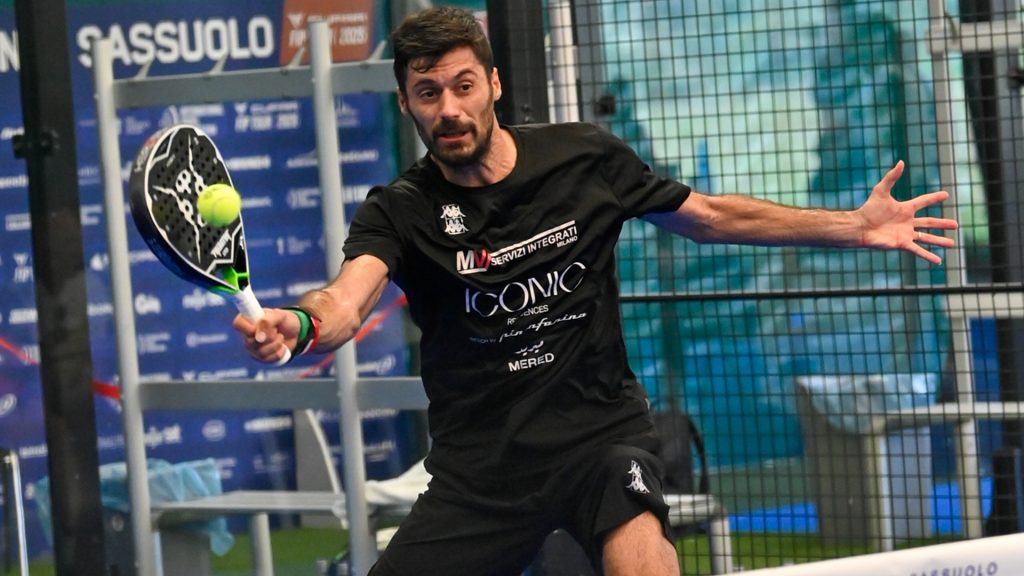
Footwork Patterns for Padel
Summary
Move efficiently around the court like a pro
Footwork Patterns for Padel
In the fast-paced and dynamic game of padel, efficient movement around the court is just as crucial as having strong technical skills. As an intermediate player, developing your footwork patterns can significantly enhance your overall performance, allowing you to position yourself optimally for shots and maintain a strategic advantage over your opponents. In this lesson, we will explore essential footwork patterns that every padel player should master, covering practical techniques, common mistakes, and effective drills to elevate your game.
Key Footwork Patterns
1. Split Step
The split step is a fundamental move in padel, allowing players to transition quickly in response to their opponent's actions. This small hop, performed just before your opponent makes contact with the ball, enables you to react effectively to shots, whether they are directed toward you or require lateral movement.
- Execution: As your opponent is about to strike the ball, perform a small hop off both feet, landing on the balls of your feet. This action creates a spring-loaded effect, enabling you to move in any direction immediately.
- Focus: Keep your knees slightly bent and your core engaged to maintain balance and readiness.
- Practice Tip: Integrate the split step into your warm-up routine by practicing with a partner who hits balls toward you.
2. Side Shuffle
The side shuffle is an important lateral movement that allows players to recover and respond effectively to balls hit to the sides. Mastering this technique provides the agility needed to cover the court efficiently, especially when dealing with wide shots.
- Execution: Keep your feet shoulder-width apart and bend your knees, maintaining a low center of gravity. Move sideways by pushing off with your outside foot and following through with your inside foot, ensuring a smooth, coordinated motion.
- Focus: Use your arms for balance; they should alternate with your legs (opposite arm forward with opposite leg). Keep your head up to maintain awareness of the ball and your opponent.
- Practice Tip: Conduct drills focused on lateral movement, emphasizing the side shuffle. Try to maintain a low posture for maximum agility.
3. Cross Step
The cross step is a quick directional change movement that allows players to reach challenging balls effectively. This technique is especially useful when hitting balls that are directed towards the corners of the court.
- Execution: Start by facing forward. When the ball is hit to one side, step across with your opposite foot, followed by your outside foot to close the gap. This method enables you to reach the ball easily while keeping your balance.
- Focus: Ensure to pivot on your back foot and keep a low center of gravity. A successful cross step should set you up for an optimal swing.
- Practice Tip: Work with a partner or wall to practice reaching for simulated wide shots, using the cross step to open up your stance for a proper shot.
4. Recovery Step
The recovery step is vital for returning to your ideal position after playing a shot. This movement helps you maintain an optimal court position, allowing for easier access to subsequent shots.
- Execution: After hitting a shot, take a step back while maintaining balance and keeping a watchful eye on your opponent’s position. This backward motion helps reset your position on the court.
- Focus: Keep your feet moving; don't become stagnant after making a shot. Recovering means also anticipating your opponent's response and being ready for the next move.
- Practice Tip: During drills, focus on your position immediately after finishing your shot. Verify that you are moving back to the center quickly and effectively.
5. Drop Step
The drop step is crucial for preparing to defend against lobs and high shots. This technique lets you move backward quickly and position yourself optimally for a return shot.
- Execution: When you anticipate a lob, pivot on your front foot while stepping backward with your opposite foot. Maintain a low and balanced stance, allowing you to push off and reach for the ball.
- Focus: Keep your body low and centered, avoiding falling backward off-balance. Use your arm movements to aid with balance.
- Practice Tip: Simulate lobs in practice settings, focusing on drop steps to position yourself against aerial shots effectively.
Common Mistakes
1. Poor Timing on the Split Step
A frequent issue among intermediate players is the improper timing of the split step. Either performing it too early can lead to unnecessary movement or too late may cause a delayed response. Always strive to execute the split step just as your opponent makes contact with the ball for maximum efficiency.
2. Not Staying Low During Lateral Movements
Players often stand too upright during side shuffles and cross steps, which can lead to slower movement and poor balance. Maintain a low center of gravity to enhance your agility and quickness.
3. Inadequate Recovery Steps
Neglecting recovery steps after hitting the ball can return players to suboptimal positions on the court. After each shot, ensure that you actively work on moving back to the center, allowing for better positioning for upcoming rallies.
4. Hesitation on Drop Steps
Many players hesitate or move too slowly when attempting to execute a drop step against lobs, compromising their ability to manage high balls. Recognize early signs of lobs and practice to develop a more instinctive response.
Pro Tips
1. Use Video Analysis
Video analysis can be a powerful tool to assess your footwork. Record yourself during practice sessions to evaluate your movements, timing, and recovery techniques. Look for areas that need improvement.
2. Incorporate Agility Training
In addition to practicing footwork on-court, consider adding agility drills to your training program. Ladder drills, cone drills, and quick footwork exercises can enhance your performance and overall movement.
3. Focus on Breathing
Proper breathing can affect performance. Ensure to breathe rhythmically while moving. This will help you maintain stamina on the court, especially during long rallies.
4. Visualize Movement
Before each match or training session, take a few moments to visualize your movements around the court, including the execution of each footwork pattern. Visualization can mentally prepare you for optimal movement as you play.
Practice Drills
1. Daily Shadow Footwork Drill
This drill emphasizes continual movement and foot placement. It should take only 5 minutes to perform but can significantly impact your footwork skills.
- Equipment: None required (but a racket and ball can be helpful for later stages).
- Steps:
- Start at the center of the court.
- Move to the right corner, perform a split step, face the imaginary ball, and simulate a shot.
- Immediately recover by using a recovery step and return to the center.
- Repeat for the left corner, alternating between sides for 1 minute.
- Now move to the top corners, executing the drop step, while keeping your stance low. Repeat for another minute.
- Tips: Keep your movements controlled and deliberate, focusing on proper technique.
2. Lateral Quick Feet Drill
This drill combines the side shuffle with quick foot movements, targeting agility and coordination over 5 minutes.
- Equipment: 2 cones or markers set 3-5 meters apart.
- Steps:
- Position the cones in a straight line.
- Start at one cone and set a timer for 30 seconds.
- Perform quick side shuffles between the cones as fast as possible without crossing your feet.
- After each session, take 10 seconds of rest and repeat for 5 rounds.
- Tips: Maintain a low stance and keep your feet light to enhance speed and efficiency.
3. Cross Step & Recovery Drill
This dynamic drill helps integrate cross steps into your gameplay, practicing recovery and positioning effectively.
- Equipment: One partner with balls.
- Steps:
- Stand at the baseline with your partner positioned at the net.
- Your partner randomly plays balls to either side using crosscourt shots.
- For each shot, use a cross step to reach the ball and take a swing.
- After hitting, immediately use a recovery step back to the center of the court.
- Continue for 10 minutes, alternating roles after 5 minutes.
- Tips: Focus on the accuracy of your movements and maintaining control while hitting the ball.
Summary
Mastering footwork patterns in padel is essential for elevating your game and moving efficiently around the court. By incorporating techniques such as the split step, side shuffle, cross step, recovery step, and drop step into your training, you'll enhance both your agility and overall performance. Practicing daily footwork drills will help reinforce these patterns and reduce common mistakes. Remember to visualize your movements and analyze your footwork to continually refine your skills. Implementing these strategies will not only make you a more dynamic player but also instill confidence in your ability to read the game effectively. So lace up, keep moving, and get ready to dominate the court!
My Notes
No notes yet