
Understanding Padel as a Sport
Summary
Learn what makes padel unique - its classification, characteristics, and why it's perfect for all ages and skill levels.
Understanding Padel as a Sport

Padel, a sport that is rapidly gaining popularity around the globe, especially in Europe and South America, stands out due to its unique characteristics and playstyle. This article delves into the fundamentals of padel, its classification as a sport, the equipment used, the collaboration involved in gameplay, and why it serves as an excellent choice for all ages and skill levels. By understanding the essence of padel, players can enhance their enjoyment and performance in this amazing sport.
1. Sport Classification
In understanding padel, recognizing its classification is crucial. Padel is a sport in continuous development, characterized by its social nature and ease of learning. Its diverse applications make it applicable in sporting, recreational, and educational contexts.
- Equipment Sport: Padel is classified as an equipment sport as players utilize a specialized implement, the paddle (or racket), to strike the ball. The paddle is solid with no strings, allowing for strategic play and control.
- Collaboration/Opposition Sport: Padel is inherently a team sport. Generally played in doubles (two against two), players collaborate with their partners to outmaneuver the opposing team. This teamwork aspect fosters communication and strategy.
- Acyclic Sport: Unlike many sports that rely on repetitive motions, padel offers diverse playing situations. Players face a variety of scenarios, promoting adaptability and improvisation within matches. This helps develop quick thinking and decision-making skills on the court.
- Open Skill Sport: Padel is classified as an open skill sport, where players must constantly adapt their skills in response to the dynamic nature of the game. Factors such as the opponent's skill level, ball placement, and court conditions create a unique challenge that requires players to think on their feet.
2. Unique Characteristics of Padel
Padel is distinguished by a range of characteristics that separate it from other racket sports, enhancing its appeal to players of all abilities.
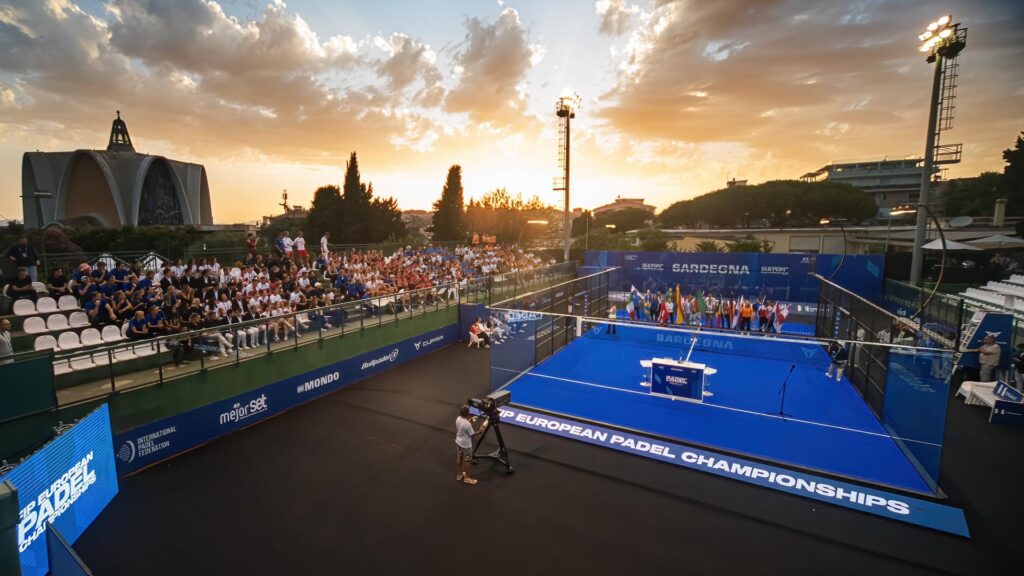
- Enclosed Court: Padel courts are smaller than tennis courts and are surrounded by glass and mesh walls. This allows the ball to bounce off walls, introducing a new element into the game. Players can use the walls strategically, similar to squash, to keep rallies going.
- Scoring System: The scoring system in padel resembles that of tennis with games, sets, and matches played. Players score points by winning rallies, with games played to four points, but a player needs to win by at least two points to claim a game. This makes scoring straightforward yet competitive.
- Inclusivity: Padel is known for its accessibility. The rules are simple, and the game itself is easy to pick up, which means it's suitable for players of all ages and skill levels. Children, older adults, and athletes can all enjoy the game together in a friendly environment.
- Social Nature: The social aspect of padel should not be overlooked. The format is predominantly played in doubles, which encourages conversation, teamwork, and community building. Many players appreciate the social engagement as much as the sport itself.
3. Learning Curve: Why Padel is Perfect for Beginners
Padel’s learning curve is one of its most appealing features, making it an optimal choice for beginners. Here are several factors that contribute to an effective learning experience:
- Easy to Learn: The basic rules and strokes of padel can be learned within a short span. Unlike complex sports that might require years of practice to grasp fundamentals, padel players can start enjoying the game almost immediately.
- Focus on Fun: Since padel is inherently social, the primary emphasis is on enjoyment. This encourages players to participate without fear of embarrassment, enhancing their overall experience.
- Variety of Styles: Padel encourages players to develop their style through diverse gameplay. From serving and volleying to using walls for strategic play, different styles can emerge naturally, keeping the game exciting.
4. Health and Fitness Benefits
Engaging in padel is not only entertaining but also advantageous for physical health. The following benefits highlight the positive impact of this sport:
- Cardiovascular Health: The continuous movement involved in playing padel can improve cardiovascular fitness. Players engage in sprinting, lateral movements, and quick changes of direction, which enhance heart health.
- Coordination and Balance: The strategic use of the walls, ball placements, and quick responses necessary in padel can significantly improve a player’s hand-eye coordination and overall balance.
- Muscle Strength and Endurance: Different strokes, from smashes to volleys, help strengthen many muscle groups, including legs, core, and arms while promoting endurance through prolonged engagement in matches.
- Mental Wellbeing: The social interaction and physical activity involved in padel can enhance mental wellbeing. Playing with friends and engaging in friendly competition releases endorphins, contributing to lower stress levels.
Common Mistakes in Padel
Even new players can quickly pick up basic techniques, but certain mistakes are common and can limit performance. Here are a few to avoid:
- Neglecting Footwork: Many players focus primarily on hitting the ball rather than moving into the correct position. Poor footwork limits your ability to hit the ball effectively. Always aim to position yourself well before making contact.
- Overusing Power: New players often think that hitting the ball harder equals better results. In reality, control and placement often outweigh raw power. Focus on where you want the ball to go rather than just how hard you can hit it.
- Ignoring the Walls: The walls are a significant part of padel play but can be overlooked by beginners. Learning to utilize the walls can greatly improve your gameplay. Practice shots that hit the walls strategically to challenge your opponents.
- Poor Communication with Partner: In doubles play, strong communication is essential. Many players forget to cross-communicate, leading to confusion during rallies. Develop a system of calls to inform your partner about shot intentions.
Pro Tips for Beginners
To improve your game rapidly, consider the following expert tips:
- Practice Consistency Over Perfection: Focus on maintaining a rally rather than trying to hit the perfect shot. The goal is to keep the ball in play and develop your rhythm.
- Engage in Regular Drills: Participating in consistent practice drills allows you to develop your skills while becoming more accustomed to different playing styles.
- Watch Professional Games: Watch professional players to understand positioning, shot selection, and tactical plays. Players like Juan Lebrón, Alejandra Salazar, and Paquito Navarro showcase various styles and techniques that can be beneficial to study.
- Embrace the Social Aspect: Engage with other players, join clubs, and participate in social events. The more you interact with others in the sport, the more you will naturally learn.
Practice Drills for Skill Development
To expedite your improvement, practicing specific drills is paramount. Here are some effective drills tailored for beginners:
Drill 1: Shadowing the Shot
This drill helps develop the correct form and execution of various shots.
- Steps:
- Find an open space near the court.
- Shadow your swings—practice forehands, backhands, volleys, and smashes without a ball.
- Focus on footwork while aiming for proper form in each stroke.
Duration: 15-20 minutes
Drill 2: Mini Tennis
This drill works on hand-eye coordination and control over the ball.
- Steps:
- Begin with your partner close to the net.
- Take turns hitting to each other without letting the ball bounce. Keep the rally going as long as possible.
- Gradually increase the distance if successful.
Repetitions: Try to maintain a rally for at least 10-15 successful hits. Repeat for 3 rounds.
Drill 3: Wall Ball
This is great for working on consistency and utilizing the walls.
- Steps:
- Stand about 5-10 feet away from the wall.
- Hit the ball against the wall using various strokes (forehand, backhand, volley).
- Vary your rhythm, control, and placement.
Duration: 10 minutes, then switch to another drill.
Drill 4: Positioning Drill
Practice movement on the court during gameplay.
- Steps:
- Use cones placed around the court to represent the ball's direction.
- With a partner, move to the cones as they simulate where a shot might go.
- Focus on footwork and correct positioning.
Repetitions: Complete this drill for 15 minutes.
Summary
Padel is a sport that combines physicality, strategy, and social interaction in a unique setting. Its classification as an equipment, collaboration, acyclic, and open skill sport makes it suitable for people of all ages and skill levels. Understanding its characteristics, the learning curve, and the physical and social benefits can inspire a deeper appreciation of padel.
By actively avoiding common mistakes, implementing pro tips, and engaging in dedicated practice drills, beginners can enhance their skills and enjoy their journey in padel. Whether for sport, recreation, or social connection, padel continues to prove its place as one of the most exciting, accessible, and rewarding sports available today.
My Notes
No notes yet