
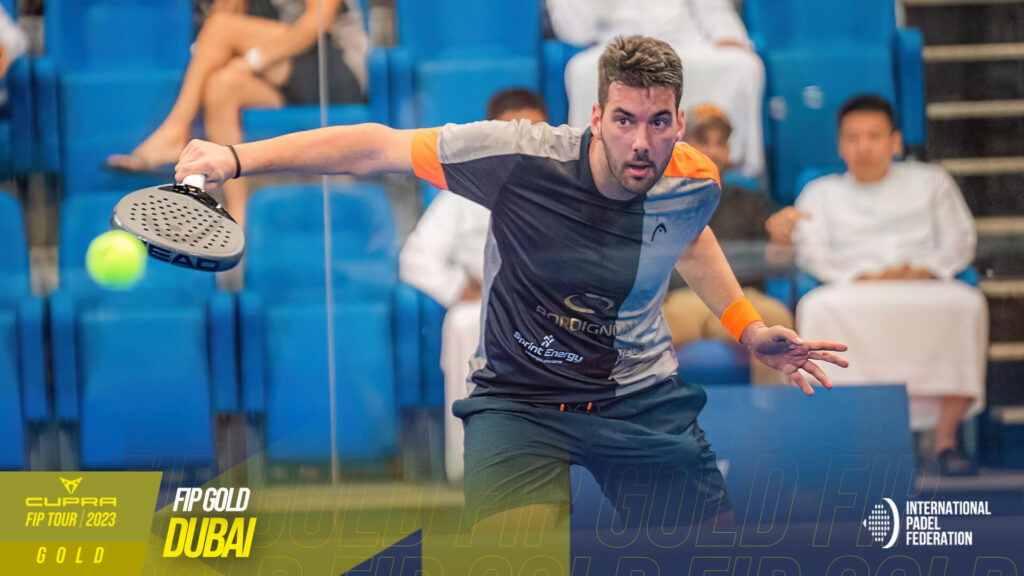
Net Domination: Volleys Under Pressure
Summary
Handle fast balls and tricky angles at the net
Net Domination: Volleys Under Pressure
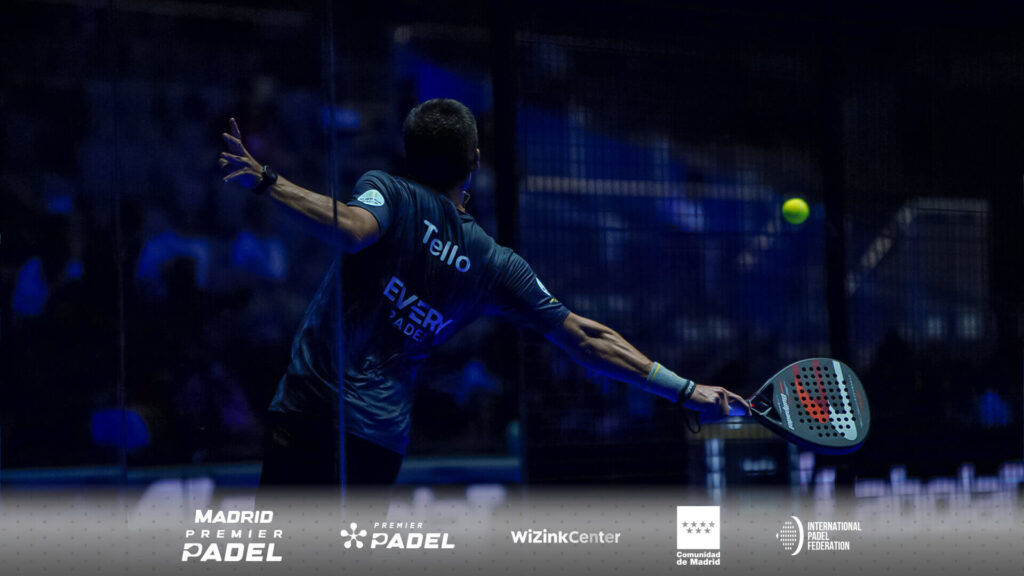
Introduction
Paddle sports, particularly padel, have gained tremendous popularity due to the fast-paced nature of the game and the thrill it brings. Understanding how to dominate the net is crucial for any intermediate player looking to elevate their game. Among various skills, mastering volleys under pressure is vital. This lesson will cover techniques to handle fast balls and tricky angles, providing you with the tools to thrive at the net.
Key Concepts
1. Fast Balls
When facing fast balls, especially at the net, it is essential to adapt your technique to maintain control over the shot. The following points outline effective strategies for volleying against fast serves or drives:
- Shorter Backswing: When anticipating a fast ball, minimize your backswing to allow quicker reactions. A shorter shoulder turn and compact swing will maintain the racket’s readiness to enter the strike zone.
- Firm Wrist: A firm wrist is an essential element during fast exchanges. Soft wrists can lead to a loss of control; thus, locking your wrist ensures the racket faces the intended target during impact.
- Redirect, Don’t Add Power: The primary objective against fast balls is to redirect that speed rather than adding your own. This involves using the momentum of the ball to guide it back over the net.
- Racket in Front: Always position the racket in front of your body. This positioning provides greater control and enables quicker reactions. The racket should be ready to intercept the ball before it drops below the net height.
2. Low Volleys
Low volleys can be tricky, especially in tight quarters at the net. Proper technique is essential for hitting these shots effectively:
- Bend Knees, Get Down: The key to executing low volleys is to get lower. Bend your knees and lower your body to meet the ball at its height, ensuring a stable base.
- Open Face Slightly: When anticipating a low ball, open the racket face slightly. This setup helps lift the ball just over the net, preventing it from being dismissed by your opponents.
- Lift Just Over Net: The primary aim is to clear the net while anchoring your control. Focus on guiding the ball under the net and towards an open space, minimizing risk.
3. High Volleys
High volleys can present opportunities for offensive strategies. Here’s how to handle them:
- Attack with Punch: When the ball is at a higher level, commit to an attacking volley. Hit with a more robust stroke, transferring weight into your shot.
- Aim Down at Feet: Aiming low is particularly effective. This tactic forces opponents into defensive positions and limits their response options.
- Angle Toward Side Wall: Utilize the side walls creatively. By angling your volley to the side wall, you create unpredictable angles that make hitting back for your opponents more challenging.
4. Reflex Volleys
Reflex volleys come in handy when reactions matter most. With fast exchanges, developing solid reflex volleys is essential:
- Turn Slightly: A subtle turn of your body allows you to prepare for the incoming ball quicker, setting you up for a successful block.
- Block with Backhand: Learning to block with your backhand during quick exchanges can shield you from aggressive shots. Stay calm and use your backhand as a buffer, redirecting the volley with minimal movement.
Common Mistakes
Even intermediate players may struggle with certain aspects of volleying under pressure. Here are common pitfalls to avoid:
- Inadequate Footwork: Poor positioning often leads to mishits. Ensure your footwork is agile; anticipate where the ball will travel and get your body into the correct position in time.
- Over-committing to Power: Adding excessive power instead of redirecting the ball is a frequent mistake. Focus on control rather than powering the ball. You may also risk providing your opponent with an opportunity.
- Improper Racket Angle: Attempting to close the racket face too early on low volleys or leaving it too open on high volleys creates problems in shot execution. Adjust your racket angle based on ball height and position consistently.
- Neglecting the Body’s Stability: Instability in posture leads to rushed hits and unforced errors. Strengthen your stance and remain balanced throughout the execution of the volley.
Pro Tips
Taking your game to the next level requires strategy and elite techniques. Here are pro tips adopted by the best players:
- Visualize the Ball’s Path: Practice visualizing trajectories of fast balls to enhance your anticipation and cognitive preparation. This mental practice builds fast reaction times.
- Develop a Strong Grip: Ensuring you have a proper and firm grip on your racket plays a vital role in delivering accurate volleys. Try using the continental grip, which is versatile for various shots.
- Follow Through: A proper follow-through enhances shot clarity. After the ball is struck, ensure you swing through the intended line toward your target, promoting consistent contact.
- Practice Compact Movements: Learning to maintain compact movement allows for effective volleying. Ensure you minimize unnecessary motions, as these can slow your reaction time.
- Watch Professional Matches: Observing professionals such as Juan Martín Díaz or Fernando Belasteguín can offer insights into how they manage volleys at the net under pressure. Analyze their techniques and movement.
Practice Drills
To enhance your skills and consolidate what you've learned, here are targeted drills designed to improve your volleying capability under pressure:
Drill 1: Fast Ball Reaction Drill
Objective: Improve reaction time to fast-moving balls.
Setup: Two players required, one on each side of the net. Use a standard padel ball.
Execution:
- Stand at the net with your partner approximately three meters away.
- Your partner will feed fast balls directly at your body.
- Practice redirecting the ball back, focusing on a shorter backswing, and maintaining your racket in front.
Repetitions: Aim for 20 redirects, swapping positions after each 10.
Time: 10 minutes.
Drill 2: Low Volleys & Lift Drill
Objective: Develop proficiency in handling low volleys.
Setup: A partner feeds low balls from the baseline.
Execution:
- Your partner delivers low shots aimed to challenge your knees.
- Focus on bending your knees, utilizing an open racket face to lift the ball over the net.
- After playing the volley, step back to reset into the ready position.
Repetitions: Perform 15-20 low volleys before switching roles.
Time: 10-15 minutes.
Drill 3: High Ball Attack Drill
Objective: Train for attacking high volleys.
Setup: One player at the net, the other on the baseline.
Execution:
- The baseline player lobs high balls over the net aimed at the practicing player.
- As the net player, with a confident punch, aim down towards the feet or outwards to the side wall.
- Focus on creating angle while following through your swings.
Repetitions: Complete 12 high volleys, then switch roles.
Time: 10 minutes.
Drill 4: Reflex Volley Reaction Drill
Objective: Build quick reflexes for volleying.
Setup: One player at the net and one player positioned at the service line.
Execution:
- The player at the net stands ready while the other randomly hits balls towards them from the service line.
- Utilize backhand and forehand reflex volleys to respond effectively to varied angles and speeds.
- After five balls, the players switch roles.
Repetitions: Aim for 10 exchanges per player.
Time: 10 minutes.
Summary
In conclusion, dominating at the net through effective volleys under pressure is a vital skill for any intermediate padel player. Mastering techniques such as handling fast balls with shorter swings, executing low and high volleys with the correct form, and sharpening reflex volleys provides you with the necessary tools to enhance your game strategically. Avoid common mistakes related to positioning, grip, and balance to elevate your performance at crucial moments. With practice drills focused on these key aspects, you can sharpen your net game and slice through your opponents’ defenses, keeping you in control of the match. Remember to continuously observe and learn from professional players, as their techniques may offer insights that can be beneficial to your growth in the sport.
My Notes
No notes yet