
The Padel Court
Summary
Complete guide to padel court dimensions, types, surfaces and maintenance
Introduction
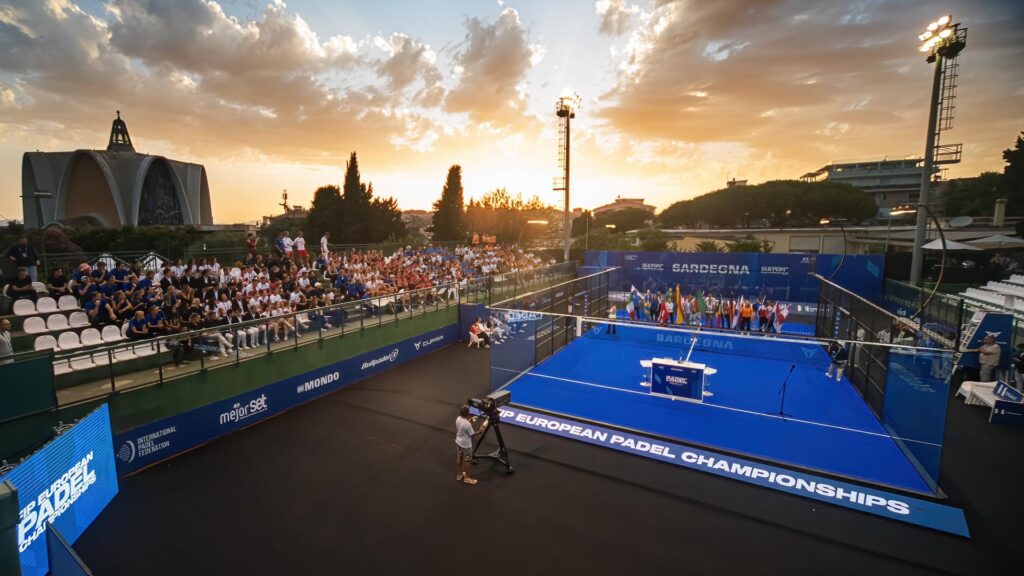
Padel is a rapidly growing racquet sport that combines elements of tennis and squash. Understanding the structure of the padel court is essential for beginners who wish to play the game effectively. This comprehensive guide will cover padel court dimensions, types, surfaces, and maintenance, giving you an in-depth look at one of the most important aspects of the sport. Whether you’re playing leisure games or aspiring to become a competitive player, stumbling into the details of the court can greatly improve your appreciation and playstyle.
Court Dimensions
Regulation padel courts adhere to specific dimensions that dictate how the game is played. Here’s an in-depth look at the fundamental measurements:
- Length: 20 meters (65.6 feet)
- Width: 10 meters (32.8 feet)
- Service Boxes:
- Each box measures 5 meters (16.4 feet) in width and 6.95 meters (22.8 feet) in length.
- Net Height:
- At the center of the court, the net is set at a height of 88 cm (34.6 inches).
- At the poles, the height is slightly higher, at 92 cm (36.2 inches).
This relatively small court size promotes quick reflexes, speed, and a highly strategic game, making it accessible for all age groups.
Court Types
Padel courts vary in construction material, design, and location, each type offering unique characteristics and advantages. Here are the primary types of padel courts:
Glass Courts
- Characteristics:
- Usually characterized by transparent glass walls, which are typically 3-4 meters high at the back.
- Sidewalls may be solid or made of a combination of solid materials and glass.
- Advantages:
- Better visibility for spectators, creating a more engaging atmosphere.
- Professional appearance, suitable for tournaments and high-level competitions.
- Ball Behavior:
- Consistent and predictable ball bounces thanks to the glass walls, allowing for more strategic play.
- Use:
- Predominantly utilized in professional padel competitions and training facilities.
Concrete Courts
- Characteristics:
- Constructed with solid, durable concrete walls.
- Often create a more traditional, rustic appearance.
- Advantages:
- Durable and low-maintenance, making them suitable for harsh weather conditions.
- Provide a strong rebound effect, allowing for aggressive gameplay.
- Use:
- Popular for local clubs and public facilities.
Artificial Grass Courts
- Characteristics:
- Made from synthetic fibers, providing a softer and more cushioned experience.
- Often have sand infill to stabilize the fibers and provide a realistic ball bounce.
- Advantages:
- Minimized risk of injury due to the softer surface.
- Good for year-round play without worrying about weather effects.
- Use:
- Frequently seen in schools, recreational centers, and community clubs.
Court Surfaces
The surface of a padel court significantly influences gameplay and player comfort. Here's a detailed look at the various surfaces used:
Turf
Often made of artificial grass, turf provides good ball control, speed, and comfort while playing.
- Rebound Angles: The grass affects the angle at which the ball bounces, making it convenient for tactics based around topspin shots.
- Player Comfort: Softer surfaces minimize stress on joints and reduce the likelihood of ankle injuries.
Wood
Wooden courts are less common but provide a unique experience:
- Characteristics: They have a consistent bounce and a classic feel.
- Condition: Wooden surfaces require regular maintenance to keep them in optimal condition, especially concerning moisture control.
Concrete
Concrete courts deliver a fast pace of play and durability but can be less forgiving on the body:
- Durability: Concrete surfaces are resistant to wear and can withstand extreme weather.
- Impact on Play: Players may find the court surface unforgiving, leading to fatigue over extended matches.
Court Maintenance
Maintaining a padel court is essential in ensuring its longevity and optimal playing conditions. Here are essential tips for keeping the court in top shape:
Routine Cleaning
- Remove debris such as leaves and dirt from the court regularly.
- Utilize a brush to keep the surface free of dust and residue.
Surface Inspection
- Check for any wear and tear on the court surface regularly.
- Inspect nets and court fencing for damage to avoid safety issues.
Surface Treatment
- For artificial grass courts, ensure proper sand infill levels for stability.
- Ensure wooden surfaces are treated with appropriate sealants and varnishes to prevent moisture damage.
Regular Repairs
- Prompt repairs should be carried out for any identified issues, including cracks in concrete or damage on glass panels.
- Hire professionals if major repairs are needed, such as resurfacing or wall replacements.
Additional Maintenance Tips
Further extending the life of your padel court involves a focus on detail and preventive measures:
Climate Considerations
- Consider installing shade structures which help protect the court from severe sun exposure, prolonging the life of its surface.
- Install drainage systems to handle rainwater and prevent flooding, especially for outdoor courts.
Safety Protocols
- Regularly inspect lighting fixtures in indoor courts to ensure bright and safe playing conditions.
- For outdoor courts, it may be beneficial to have a fence that also contains windbreakers where necessary.
Common Mistakes
Understanding the court is not just about dimensions but extending to how players approach the game. Here are some common mistakes beginners make regarding the padel court:
- Ignoring Court Crowding: One mistake many players make is not being aware of their positioning on the court, leading to overlaps and confusion.
- Inadequate Understanding of Surface Material: Playing without considering court surface impacts can lead to injuries or ineffective shot execution.
- Overlooking Boundaries: Failing to understand the importance of service boxes and boundaries can disrupt the flow of the game.
Pro Tips
To enhance your court experience and maximize your competitive advantages, consider these professional tips:
- Study Court Angles: Analyze how balls bounce off the walls to create advantageous angles for your shots.
- Positioning is Key: Always work on your positioning—stay aware of your partner’s position to optimize court coverage.
- Use Wall Strategies: Don’t shy away from using walls strategically in both offense and defense. Practicing wall shots can refine your skills significantly.
Professional Court Strategies
Once you grasp the court fundamentals, hone your craft with these professional strategies:
Mastering Volume of Play
- Adjust your game pace according to the surface and your opponent. Use slower play on turf to control the ball more effectively.
- Balance aggressive plays with strategic slows, especially on concrete, where a controlled response is vital.
Utilizing the Center Line
- The center line can break the court into manageable sections, allowing you and your partner to cover more ground efficiently.
- Maintain a central position to react quickly and adapts to the opponent's shots.
Practice Drills
There are various essential drills that help beginners develop an understanding of the court and hone their skills. Each drill has been designed with repetitions and durations to maximize efficiency:
Drill 1: Wall Shot Accuracy
- Purpose: Improve precision in hits to the sidewalls.
- Steps:
- Stand about 3 meters from the side wall.
- Hit the ball against the wall, aiming for the same area repeatedly.
- Repetitions: 10 times per side (total: 20 hits).
- Duration: 10 minutes.
Drill 2: Service Box Practice
- Purpose: Improve serve accuracy.
- Steps:
- Stand behind the baseline in your serving position.
- Serve the ball aiming for the target inside the service box.
- Repetitions: 15 serves per side (total: 30 serves).
- Duration: 15 minutes.
Drill 3: Partner Rally
- Purpose: Improve general rally skills and communication with a partner.
- Steps:
- Two players stand on opposite sides of the net.
- Engage in a simple rally for consistency, focusing on communication.
- Repetitions: Rally to 20 successful hits without missing.
- Duration: 10-15 minutes.
Advanced Drills
For players looking to take their game to the next level, here are some advanced drills:
Drill 4: Cross-Court Defense
- Purpose: Increase defensive capabilities and adaptability.
- Steps:
- Practice returning balls aimed at the opposite corner to strengthen cross-court defense instincts.
- Incorporate wall rebounds to simulate game situations.
- Repetitions: 15 repetitions from each corner.
- Duration: 20 minutes.
Drill 5: Overhead Smash Practice
- Purpose: Enhance power and placement of overhead smashes.
- Steps:
- Stand at the net, practice controlled smashes towards designated areas of the court.
- Focus on angle and spin to increase unpredictability.
- Repetitions: 20 smashes per session.
- Duration: 15 minutes.
Summary
Understanding the padel court is foundational for anyone looking to grasp the game. From dimensions, types, and surfaces to court maintenance, mastering these aspects will enhance your overall experience and performance. Avoiding common mistakes, using pro tips, and incorporating targeted drills will not only improve your skills but also enrich your understanding of the sport. The court is not just a space for playing, but a character in the game that influences strategies and outcomes. As you continue your padel journey, keep in mind these elements, and you will discover the rich layers that this sport offers. Furthermore, combining basic and advanced drills ensures not only skill improvement but also an enriched sense of the court dynamics, preparing you for various competitive environments.
My Notes
No notes yet