
The Backhand Drive
Summary
Master the backhand stroke essential for complete court coverage
The Backhand Drive in Padel
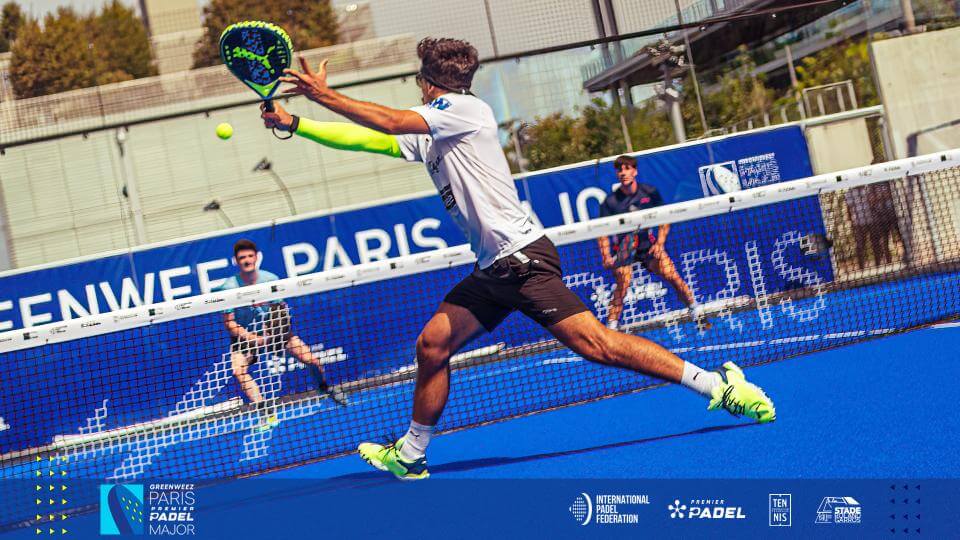
The backhand drive is an essential stroke in padel that allows players to maintain control of rallies and create opportunities for winning points. Mastering this technique is especially important for beginners, as it promotes complete court coverage and enables players to respond effectively to their opponents’ shots. In this lesson, we’ll delve into the nuances of the backhand drive, including its execution, variations, and key drills. Whether you’re a novice looking to develop a solid foundation or a more experienced player seeking to refine your skills, this comprehensive overview will guide you through the essential mechanics and strategies associated with the backhand drive in padel.
1. The Backhand in Padel
The backhand is executed on the left side of the body (for right-handers) and is often one of the most frequently used strokes in padel. The nature of the game, with its fast exchanges and dynamic rallies, means that the ball often comes to a player’s backhand side. Thus, developing a reliable backhand drive is crucial. It not only allows players to return shots effectively but also positions them strategically for the next move.
Having a solid backhand can lead to powerful shots that can push opponents back and create opportunities for offensive plays. When executed correctly, the backhand drive can propel the ball with speed and precision, making it an invaluable tool in your padel arsenal.
2. One-Handed vs. Two-Handed Backhand
The two primary styles of backhand in padel are the one-handed backhand and the two-handed backhand. Each approach has its own advantages and is suitable for different types of players. Here, we’ll explore the benefits of both techniques.
a. One-Handed Backhand
- More Reach and Flexibility: The one-handed backhand allows players to reach balls farther away from their body. This is particularly beneficial when you need to cover the court quickly or reach for a wide shot.
- Volleys and Defensive Shots: With a one-handed backhand, players can effectively perform volleys and slice shots, enabling better versatility in defensive play.
- Preferred by Most Professional Padel Players: Many professional players opt for the one-handed backhand due to its fluid motion and stylish execution. Players like Juan Martín Díaz and Fernando Belasteguín often showcase this technique in their matches.
b. Two-Handed Backhand
- More Power and Stability: The two-handed backhand provides better stability during the stroke, allowing players to generate more power due to the support of both hands. This is particularly useful for beginners looking to ensure consistent contact.
- Easier for Beginners: The two-handed grip may feel more natural for newcomers to the sport, as it creates a stronger base for the shot, which may help in developing confidence with the stroke.
- Common Among Young Players: A significant number of young and beginner players prefer the two-handed backhand because it is often perceived as more forgiving and easier to control.
3. The Mechanics of the Backhand Drive
To hit an effective backhand drive, understanding the mechanics behind the stroke is vital. Here, we’ll break down the key components of the technique to ensure proper execution.
a. Grip
The grip you choose will influence the execution of your backhand drive. Here are the common grips used:
- One-Handed Grip: The Eastern grip or the Continental grip is most commonly used. The Eastern grip involves placing the base knuckle of the index finger on the third bevel of the racket handle.
- Two-Handed Grip: The standard grip for the dominant hand is typically an Eastern grip, while the non-dominant hand can also use an Eastern grip or a Continental grip (like a shaking hands position) to provide balance and control.
b. Stance and Preparation
Proper stance and preparation set the foundation for a successful backhand drive. Here are the steps to follow:
- Positioning: Stand with feet shoulder-width apart, knees slightly bent, and weight balanced on the balls of your feet.
- Grip Your Racket: Hold the racket with the chosen grip, ensuring you are comfortable and relaxed.
- Turn Your Shoulders: As the opponent prepares to hit the ball, pivot your body to the side, so your shoulders are oriented parallel to the net. This step helps generate power and keeps you in an optimal position to strike the ball.
- Racket Preparation: Bring the racket back while maintaining tension in your grip. The racket head should be below the ball and slightly tilted downward, creating an angle that facilitates upward swing.
c. Contact Point and Follow-Through
Hitting the ball at the right contact point and following through correctly are crucial for a successful backhand drive.
- Contact Point: Aim to make contact with the ball in front of your body at waist height. This position allows for better control and power.
- Follow Through: After making contact, allow your racket to continue moving forward and up. The finish should be high, ideally at shoulder height, which indicates a clean and powerful stroke.
4. Strategies for Using the Backhand Drive
Simply having a backhand drive in your arsenal isn’t enough; having strategic ways to utilize it will make a world of difference in your overall performance. Here are some strategies to consider:
- Use Deep Shots: Utilize the backhand drive to send the ball deep into your opponent's court. A deep shot can push your opponent back and provide you with an opportunity to approach the net.
- Change the Pace: Utilize the backhand drive to change the pace of the rally, keeping your opponent off-balance. Mix in hard drives with softer shots to create uncertainty.
- Employ Angles: Utilize the corners of the court to create angles with your backhand. Aim for the side walls to force your opponent into difficult positions.
Common Mistakes
Even with the best intentions, players often make mistakes while executing the backhand drive. Here are some common errors to be aware of:
- Poor Footwork: Failing to move into position properly can result in awkward contact with the ball, leading to inconsistent shots. Always strive to get into position early and set your feet.
- Incorrect Grip: Using an unsuitable grip can hinder your ability to generate power and control. Seek to find a grip that feels comfortable and offers you the best performance.
- Bracing Too Much: Tensing up your arms and shoulders will limit fluidity in your swing and negatively impact your shot. Aim for relaxed, controlled movements.
- Neglecting Follow-Through: Stopping your swing after contact can limit the shot’s effectiveness. Always remember to follow through to ensure smooth execution and maximum power.
Pro Tips
To enhance your performance when executing the backhand drive, consider the following pro tips:
- Watch the Ball: Focus on the ball as it approaches. Developing a keen eye for the ball will improve your timing and contact.
- Practice with Purpose: Spend dedicated time practicing your backhand drive during training sessions. Use focused drills that enhance your footwork, grip, and technique.
- Analyze Professional Players: Watch professional padel matches to see how top players execute their backhand drives. Notice their footwork, preparation, and follow-through, and try to incorporate these techniques into your game.
- Use a Ball Machine: If accessible, use a ball machine to practice your backhand drive consistently. Begin at slower speeds and progressively increase the intensity to enhance your timing and rhythm.
Practice Drills
Consistency is key to mastering the backhand drive. Below are several drills specifically designed to improve your technique, footwork, and overall effectiveness when using this stroke.
Drill 1: Shadow Swings
This drill emphasizes correct form and technique without the added pressure of hitting an actual ball.
- Steps:
- Stand in your ready position; feet shoulder-width apart.
- Practice the stance by griping the racket and turning your shoulders.
- Make a motion of a smooth backhand drive, focusing on the contact point and follow-through.
- Repeat this motion 20-30 times, concentrating on maintaining proper form.
Drill 2: Partner Backhand Rally
This drill engages a partner to practice timing and rhythm while hitting backhand drives.
- Steps:
- Find a partner and start 3-4 meters apart.
- Begin hitting soft backhand drives to each other, focusing on consistency and placement.
- Gradually increase the power of the shots as you become more comfortable, but maintain control.
- Rally for 10 minutes, switching roles occasionally to practice your forehand as well.
Drill 3: Target Practice
This exercise enhances accuracy and precision with backhand drives.
- Steps:
- Set up targets (e.g., cones or markers) in different areas of the court.
- Stand in your desired hitting position and hit backhand drives aimed toward the targets.
- Count how many shots you hit on target, aiming for at least 80% accuracy.
- Perform this drill for 15-20 minutes and increase the distance from the targets to challenge yourself.
Drill 4: Live Game Simulation
Integrating the backhand drive into live game scenarios is critical for real-world applications.
- Steps:
- Enter a friendly match or practice game with a partner, focusing specifically on using your backhand drive.
- Set a timer for 30 minutes, dedicating the first half to focusing on backhand drives and the second half incorporating varied plays.
- Maintain a record of how many times you successfully execute the backhand drive.
- Reflect on strengths and areas for improvement after the practice session.
Summary
Mastering the backhand drive is crucial for every padel player, as it is a pivotal stroke that contributes not only to individual performance but also to overall court coverage and strategy. Whether you choose a one-handed or two-handed backhand, focusing on the right grip, stance, technique, and follow-through will result in more powerful and accurate shots.
By understanding common mistakes and implementing the pro tips, along with consistent practice through dedicated drills, you can elevate your backhand drive and, ultimately, your game. Watch professional players for inspiration, and consider their techniques as you refine your style. Embrace the journey of improvement; with persistence, your backhand drive will become a reliable asset on the court.
My Notes
No notes yet