
Running a Padel Training Session
Summary
Structure effective practice sessions
Introduction
Designing an effective padel training session is a critical skill for any advanced coach. Mastering the art of structuring practice sessions not only optimizes training time but also enhances player development in technical, tactical, physical, and mental aspects of the game. In this lesson, we will explore how to run a structured padel training session, emphasizing the importance of clarity, engagement, and adaptability to cater to the players' skill levels. By incorporating the M3 Principles—having a goal, keeping energy high, mixing difficulty, and ending on a positive note—you will create a dynamic learning environment that promotes improvement and enjoyment.
Session Structure: The 90-Minute Breakdown
An optimal padel training session, particularly for advanced players, typically runs for 90 minutes. This format allows for a balance of skills to be developed while also accommodating the dynamic nature of the sport. Below is a detailed breakdown of a structured training session:
- Warm-Up (15 minutes)
- Technical Focus (30 minutes)
- Tactical Drill (25 minutes)
- Match Play (15 minutes)
- Cool Down (5 minutes)
Warm-Up (15 minutes)
The warm-up is crucial for preparing the body physically and mentally for the rigorous training ahead. Begin with a general warm-up to increase heart rate and mobility.
- Dynamic Stretching (5 minutes): Perform leg swings, arm circles, and lunges to enhance flexibility.
- Movement Fundamentals (10 minutes):
- Agility Ladder Drills: 3 sets of 1 minute.
- Shuttle Runs: 4 repeats of 10 meters.
- Shadowing Drills: 5 minutes of mimicking strokes without hitting a ball, focusing on footwork and position.
"The warm-up sets the tone for the entire session. Use it wisely." - Coach Carlos Moya
Technical Focus (30 minutes)
This section is designed to hone specific technical skills, with a particular focus on strokes, footwork, and body positioning. Choose one or two techniques to concentrate on during this timeframe.
Forehand Technique
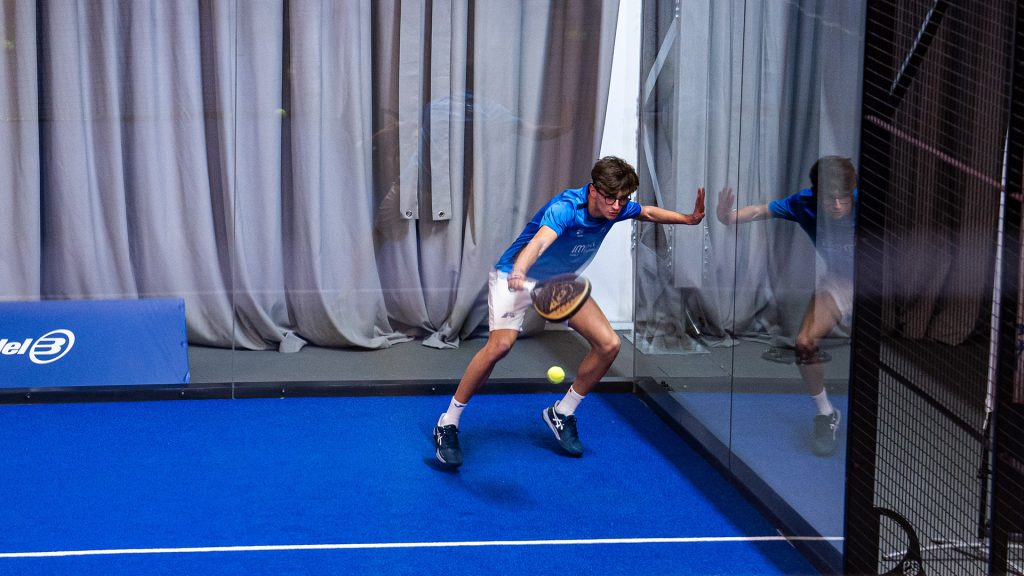
Focusing on the forehand can significantly enhance a player's aggressive playstyle. Core elements include:
- Grip: Ensure proper use of the semi-Western grip.
- Stance: Maintain an athletic stance with feet shoulder-width apart.
- Follow Through: Encourage a smooth follow-through towards the target.
Drills:
- Forehand Cross-Court Drill: Players hit cross-court forehands for 5 minutes, focusing on placement.
- Forehand with a Target: Set targets in corners for players to hit. Each player attempts to hit 10 forehands on target in 10 minutes.
Backhand Technique
The backhand is often a weaker shot for many players. Techniques that should be emphasized include:
- Two-Handed Grip: Ensure stability and control.
- Rotation: Emphasize hip and shoulder rotation for power.
- Consistency: Aim for quick, controlled swings.
Drills:
- Partner Backhand Rally: 5 minutes of rallying focusing only on backhand shots.
- Backhand Target Practice: Each player uses the same target drill as for the forehand; target 5 successful backhands in the specified area.
Tactical Drill (25 Minutes)
Tactical drills enhance game sense and strategic thinking on the court. Focus should be on understanding shot selection, positioning, and communication with a partner.
Cross-Court versus Down-the-Line Play
Players learn when to choose cross-court shots versus down-the-line shots based on opponent positioning.
Drills:
- Cross-Court Point Play: Play points focusing on hitting only cross-court shots. 10 minutes of points played (best of five).
- Down-the-Line Decision Making: Players are only allowed to hit down-the-line shots after making a specific combination of movements with a partner (e.g., fend-off and fake). 10 minutes of executing this drill with scorekeeping.
Match Play (15 minutes)
Transitioning to match play allows players to apply learned techniques and tactics in a competitive yet controlled environment. Use this time to reinforce strategies from the technical and tactical drills.
Drill: Padel Match Play - Form teams of two and play timed matches. Rotate partners after each game for different dynamic interactions.
"This is where skills learned in practice crystallize." - Coach Juan Carlos Ferrero
Cool Down (5 minutes)
The cool-down phase allows players to unwind and aids recovery. Incorporate static stretches focusing on muscle groups commonly used in padel.
- Hamstring Stretch: Hold for 30 seconds.
- Shoulder Stretch: Hold each side for 30 seconds.
- Calf Stretch: Hold for 30 seconds.
- Hip Flexor Stretch: Hold for 30 seconds.
Common Mistakes
As a coach, it is important to be observant and aware of common mistakes that players might make during training. Addressing these can lead to more effective learning and improved performance:
- Overloading on Technical Skills: Players may become frustrated if they are bombarded with information without sufficient practice. It’s crucial to balance technique with gameplay.
- Neglecting Communication: In doubles play, players often fail to communicate effectively, leading to missed opportunities. Ensure drills involve and practice communication strategies.
- Inconsistent Drills: If drills are too static or lack variety, players may lose interest. Mix drills to maintain engagement and challenge players appropriately.
- Lack of Reflection: After each session, not allowing time for players to reflect on what they learned can hinder progress. Encourage reflective practice through discussions or quick notes.
Pro Tips
Below are some professional insights along with practical advice to enhance the quality of your training sessions:
- Set Specific Goals: Clearly define objectives for each segment of the training session. For example, focus on improving backhand powers by a measurable percentage over time.
- Maintain High Energy Levels: Keep the energy high through encouraging language, upbeat music, or by engaging in light-hearted competitions.
- Mix Difficulty Levels: Present drills that range from fundamental to complex. This mix allows players to feel challenged while building confidence in simpler skills.
- Incorporate Game Situations: Make drills game-like to improve how players perform under pressure. This promotes adaptability, a crucial aspect for advanced players.
- Feedback Loops: Implement immediate feedback during training, balancing corrective feedback with positive reinforcement. Use video analysis if possible for visual learners.
Additional Drills and Strategies
To enrich your training sessions further, consider adding these specialized drills and strategies aimed at keeping practice diverse and engaging.
Serve and Return Practice (15 minutes)
Mastering serves and returns can significantly impact match outcomes. Here's how to focus on these critical aspects:
- Targeted Serve Practice: Focus on accuracy by setting targets within the service box. Aim for 10 successful serves in specific areas.
- Return Attack: Pair players to practice explosive returns. Emphasize quick footwork and the ability to counter-drive serves.
Net Play and Volley Drills (20 minutes)
Improving net play can significantly increase offensive capability. Focus on volleys and overheads:
- Volleys Against a Wall: Solo players practice volleys against a wall to enhance control under pressure.
- Smash Reflex Training: Players practice overhead smashes with quick reflex pass drills from a coach or machine.
Mental Toughness Exercises (10 minutes)
Psychological preparedness can often decide the outcome of close matches:
- Pressure Simulations: Set scenarios where players must win a point under specific pressure conditions, such as simulated match points.
- Visualization Techniques: Guide players through visualizing perfect strokes and strategic decisions.
Practice Drills
In addition to the drills outlined in the structured session, here are a few additional drills that can be integrated into various segments of your training. Aim for particular objectives and track progress over several sessions:
Footwork and Agility Drill (20 minutes)
Effective footwork is fundamental in padel. Players often struggle with positioning; thus, footwork drills are key:
- Lateral Cone Drill:
- Set out four cones in a 10x10 area.
- Players sprint from cone to cone, alternating directions. Aim for 5 sets of 1 minute each, with 30 seconds rest between sets.
- Three-Step Approach:
- Players practice their approach to the net from a fixed baseline position, focusing on a three-step process before each shot (decide, move, hit).
- 10 repetitions at various angles and distance modifications.
Conditioned Match Play (30 minutes)
Create scenarios where specific shots or tactics must be used, enhancing decision-making skills under constraints:
- Conditioned Points:
- In doubles situations, one team can only score points using backhands, while the opponents can use any shots.
- Play for a specific time (15 minutes), then switch roles to ensure both teams experience various scenarios to adapt their strategic game.
Summary
Running a structured padel training session is indispensable for maximizing each player’s potential. By implementing clear objectives for every component of the session, maintaining engagement through varied drills, and establishing a supportive learning environment, coaches can cognitively and physically prepare players for peak performance. Incorporate the M3 Principles to ensure sessions are productive, dynamic, and enjoyable. Detailed observation and correction of common mistakes combined with targeted practice drills—as demonstrated throughout this lesson—will further fuel improvement. As you continue to refine your training methods, remember that the journey of player development is ongoing and ever-evolving in the beautifully strategic game of padel.
My Notes
No notes yet