
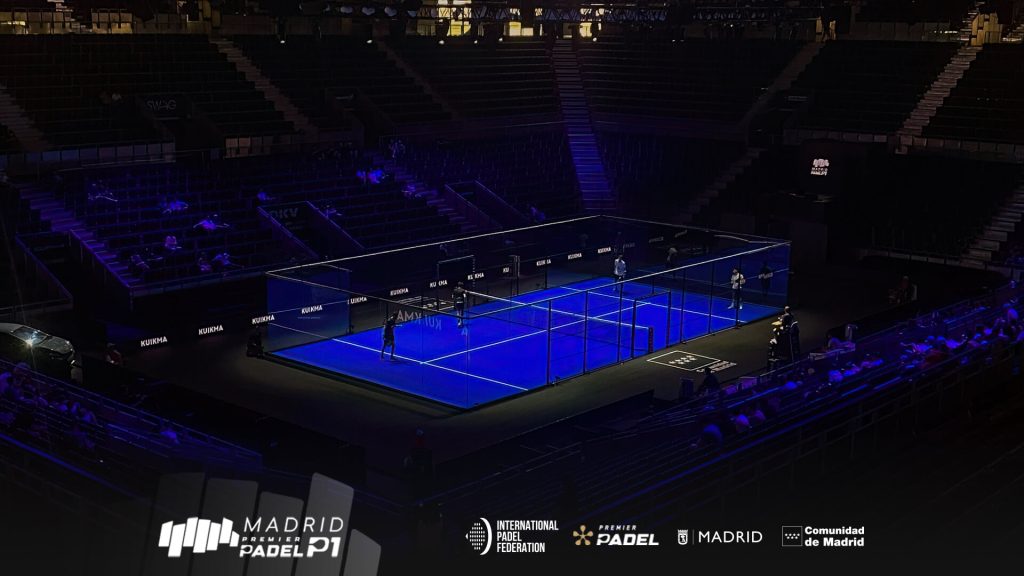
Injury Prevention Basics
Summary
Essential knowledge to keep you playing padel safely for years to come
Introduction

In the world of sports, especially for beginners, understanding injury prevention is crucial to enjoying the game safely for years to come. Padel, with its blend of tennis and squash characteristics, is generally recognized as a low-injury sport. However, without proper precautions, players can still fall victim to a range of common ailments. This lesson provides essential knowledge regarding injury prevention basics tailored specifically for padel players, focusing on proactive strategies you can take before, during, and after your games.
Why Prevention Matters
Padel is a dynamic sport characterized by quick movements, strategic play, and a strong emphasis on hand-eye coordination. While injuries in padel are less frequent compared to more high-impact sports, neglecting certain precautions can lead to issues that may hinder your performance or keep you off the court altogether. Understanding the common injuries can help players recognize the importance of injury prevention measures.
- Tennis Elbow (Lateral Epicondylitis): This overuse injury affects the outer part of the elbow and is common among players who frequently use their forehand and backhand shots.
- Shoulder Strains: Shoulder injuries can arise from the repetitive overhead movement often employed during serves and smashes, leading to overexertion.
- Ankle Sprains: Quick lateral movements can result in awkward landings or twists of the ankle, making these injuries relatively common in padel.
- Knee Injuries: The nature of padel requires agility and pivoting, which can stress the knee joint, particularly the ligaments, if proper care isn't taken.
- Lower Back Pain: This can be a result of improper posture or excessive twisting motions during gameplay, highlighting the need for core strength and balance.
Pre-Play Checklist
Preparing adequately before stepping on the court is essential for preventing injuries. Below is a comprehensive pre-play checklist that every padel player should consider before engaging in a match.
Proper Footwear
Choosing the right shoes is one of the most fundamental steps in injury prevention. Padel-specific shoes are designed to provide the right support, traction, and stability needed for the court’s surface. Consider the following:
- Grip: Ensure that your shoes have a good grip to prevent slips during rapid movements.
- Support: Look for shoes that offer stability for lateral movements, cushioned insoles for impact absorption, and a molded fit for comfort.
- Condition: Regularly check the wear and tear on your shoes. Replace them as necessary to ensure they maintain their supportive features.
Hydration
Staying hydrated before, during, and after your playing sessions is critical. Dehydration can lead to fatigue, making you more susceptible to injury. Make sure to:
- Drink Water: Aim for at least 500ml of water 1-2 hours before playing. During play, continue to hydrate with small sips.
- Electrolytes: For longer matches or during hot weather, consider drinks containing electrolytes to maintain hydration levels.
Equipment Check
Before you embark on your game, ensure that your equipment is in optimal condition.
- Paddle Condition: Inspect your paddle for any signs of wear, including the grip and strings. A well-maintained paddle allows for better control and reduces the risk of mishits.
- Paddle Weight and Grip Size: Ensure that the weight of your paddle is suitable for your strength and skill level and that the grip is comfortable, which helps to prevent strain on your arm and shoulder.
Health Assessment
Be aware of your personal physical condition before stepping on the court.
- Warm Up: A proper warm-up routine is vital. Engage in dynamic stretches and movements to increase blood flow and flexibility.
- Listen to Your Body: If you feel any discomfort or previous injuries are flaring up, consider sitting out or modifying your gameplay to avoid exacerbating any issues.
Main Techniques for Injury Prevention
1. Warm-Up Exercises
A well-structured warm-up routine is fundamental in preparing your muscles and joints for the activity ahead. The goal is to increase muscle temperature and elasticity, thereby reducing the risk of injury. Here’s a simple routine you can use:
- Dynamic Stretching (10 minutes):
- Arm Circles: 1 minute (30 seconds forward, 30 seconds backward)
- Leg Swings (front-back and side-side): 1 minute each leg
- Walking Lunges: 2 minutes (10 lunges per leg)
- High Knees: 2 minutes (30 seconds on, 30 seconds off)
- Butt Kicks: 2 minutes (30 seconds on, 30 seconds off)
- Static Stretching (5 minutes):
- Quad Stretch: 30 seconds per leg
- Triceps Stretch: 30 seconds per arm
- Hamstring Stretch: 30 seconds per leg
- Shoulder Stretch: 30 seconds per arm
2. Strengthening Exercises
Building strength in key muscle groups can significantly decrease injury risk. Focus on core, shoulder, and leg exercises:
- Core Strengthening: Planks and Russian Twists are excellent for improving stability. Aim for 3 sets of 30 seconds for planks and 15 repetitions for twists.
- Shoulder Stability: Perform External Rotations with resistance bands. Target 3 sets of 12 repetitions for each shoulder.
- Leg Strength: Incorporate Squats and Calf Raises. For squats, aim for 3 sets of 15 repetitions; for calf raises, aim for 3 sets of 20 repetitions.
3. Recovery Techniques
Adequate recovery allows your body to heal and adapt from the stresses of play, thus preventing injuries over time.
- Cool Down (10 minutes): After playing, engage in gentle stretching focusing on the muscles used during your match.
- Foam Rolling: Spend about 5-10 minutes each session using a foam roller to release muscle tension.
- Active Recovery: On days without padel, consider low-impact activities like cycling or swimming to promote circulation.
Common Mistakes
Understanding common mistakes players make when it comes to injury prevention is integral to maintaining their time on the court. Here are several pitfalls to avoid:
- Neglecting Warm-Ups: Skipping warm-up sessions can lead to significantly increased risks of muscle strains and sprains.
- Inappropriate Equipment: Using non-padel shoes or worn-out paddles can compromise stability and control.
- Ignoring Pain: Playing through pain can exacerbate injuries, potentially resulting in longer recovery times or chronic issues.
- Inconsistent Conditioning: Failing to engage in strength conditioning and flexibility training can leave players unprepared for match intensity.
Pro Tips
To help ensure your longevity in playing padel and to maintain your health and fitness, contemplate these essential pro tips:
- Stay Educated: Regularly educate yourself about injury prevention techniques. Join workshops or listen to expert talk sessions related to sports injuries.
- Monitor Your Play: Keep a log of your games, noting both intensity and any physical discomfort experienced to acknowledge trends over time.
- Cross-Train: Engage in diverse physical activities to reduce repetitive stress on specific muscle groups while improving overall fitness.
- Consult a Professional: If injuries are recurrent, see a sports medicine specialist or physiotherapist to get tailored advice based on your individual needs.
Practice Drills
Incorporating injury prevention drills into your routine can significantly improve your performance and help safeguard against common injuries. Below are a few drills with step counts and timing to implement:
Dynamic Warm-Up Drills
- A. Lateral Lunges with Reach:
- Duration: 3 minutes
- Repetitions: 10 lunges on each side
- Focus: Promote flexibility and lateral movement.
- B. Inch Worms:
- Duration: 3 minutes
- Repetitions: 10 inchworms
- Focus: Stretch your hamstrings while engaging your core.
Strength and Flexibility Drills
- A. Shuttle Runs:
- Duration: 10 minutes
- Repetitions: 6 sets (with 1-minute rest intervals)
- Focus: Increase agility and cardiovascular endurance.
- B. Resistance Band Shoulder External Rotation:
- Duration: 5 minutes
- Repetitions: 3 sets of 12 per side
- Focus: Strengthen the shoulder and prevent rotator cuff injuries.
Cool Down Drills
- A. Static Stretching:
- Duration: 5 minutes
- Focus: Each stretch should last 30 seconds to enhance flexibility.
- B. Breathing Exercises:
- Duration: 5 minutes
- Focus: Practice deep breathing to reduce heart rate and promote relaxation.
Summary
Injury prevention in padel is not just about safety; it’s about maximizing your enjoyment and performance in the game. By understanding common injuries, adhering to a pre-play checklist, engaging in effective warm-up, conditioning, and recovery strategies, you can significantly reduce your risk of injury. Monitor yourself for common mistakes and apply the mentioned pro tips to ensure you remain healthy while enjoying this exhilarating sport. Implementing the prescribed drills will enhance your fitness and keep you playing padel for years to come. Remember, injury prevention is a vital aspect of your journey as a padel player—master it, and you will enjoy more time on the court than ever.
My Notes
No notes yet