
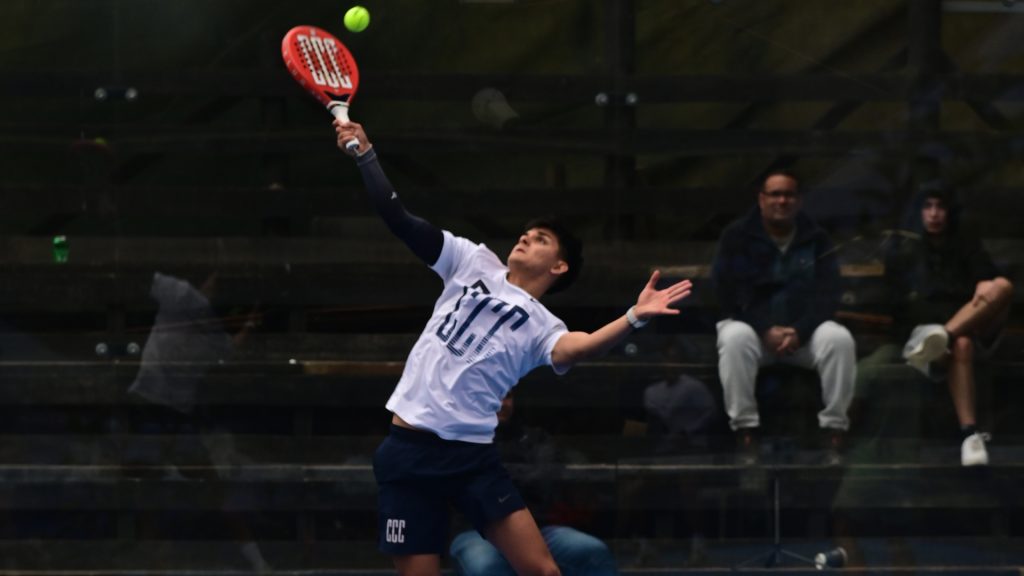
Advanced Serve Variations
Summary
Kick serves, slice serves, and deception
Advanced Serve Variations in Padel

Paddle tennis has rapidly grown in popularity, and with its rise, so too has the need for expertise in techniques that enhance gameplay. One of the most crucial skills for any advanced player to master is the serve. The serve, being the starting point of each point, sets the tone for the rally and can drastically influence match outcomes. In this lesson, we will delve into advanced serve variations including the kick serve, slice serve, body serve with pace, and the nuances of deception in serving. We will also cover advanced tactics like the Serve + 1 strategy. Through understanding and mastering these techniques, players can elevate their game and outmaneuver their opponents.
Kick Serve
The kick serve is one of the most difficult serves to handle due to its topspin and high bounce. This serve is particularly effective against deep returners, as it forces them into an uncomfortable hitting position while creating opportunities for aggressive follow-up shots.
Technique for the Kick Serve
- Grip: Use the continental grip to provide versatility in your serve.
- Toss: Ensure your ball toss is slightly behind your head and higher than usual to give it time to kick upwards.
- Stance: Stand sideways to the net with your non-dominant foot forward.
- Contact: Aim to strike the ball at the highest point of your toss with a brushing motion from low to high, applying topspin.
- Follow-Through: Finish your swing high and above your shoulder, which will help impart more spin and control.
Experiment with varying the height of your toss and the angle at which you make contact to further confuse your opponents. Practicing this serve regularly will give you confidence when executing it in competitive matches.
Practical Application
Against players who stand deep in their box, the kick serve can disrupt their rhythm, causing them to adjust their positioning and swing. When executed correctly, it creates a high bounce that can push the returner off balance, providing excellent opportunities for your next shot or a volley from your partner.
Slice Serve
The slice serve is characterized by sidespin that pulls the returner wide-off the court. This serve can be particularly effective on weaker or less mobile players, and it's ideal for breaking the rhythm of your opponent.
Technique for the Slice Serve
- Grip: Maintain the continental grip to help with the slice spin.
- Toss: Position your toss slightly in front and to the side of your body, which allows for better access to slice the ball.
- Stance: Set your body stance similar to that of the kick serve, but with a slight tilt towards the direction you want to slice.
- Contact: Strike the ball using a lateral motion (from outside to inside) to emphasize the sidespin.
- Follow-Through: Keep your follow-through angled down towards the ground to maintain control and twist the ball away from your opponent.
This serve tends to have a low bounce, making it more challenging for opponents to hit from their ideal position. Using your slice serve strategically can create openings for your next shot.
Practical Application
Utilize the slice serve to stretch your opponent wide, leaving the down-the-line shot exposed. It can be especially effective for initiating an aggressive positioning play with your partner ready to pounce on the next volley.
Body Serve with Pace
The body serve is an aggressive option that targets the opponent’s mid-section. This serve is particularly effective during crucial points in a match, as it disrupts the opponent’s swing and can lead to errors.
Technique for the Body Serve with Pace
- Grip: Utilize the continental grip once more for flexibility.
- Toss: Toss the ball towards your body to minimize the opponent's ability to read your serve.
- Stance: Align yourself parallel to the net but shift your weight slightly towards your hitting side.
- Contact: Strike the ball directly in front of your body with a firm, penetrating motion for maximum pace.
- Follow-Through: Maintain a strong follow-through, finishing across your body to increase the serve's velocity.
Hitting the ball with pace limits the opponent's reaction time, especially on crucial points when they are least expecting it. The combination of power and placement can force a weak return and set up your next shot for a winning play.
Practical Application
Utilizing the body serve at critical junctures increases pressure on your opponent. The goal is to jam their swing and generate an opportunity for your partner to take control at the net.
Deception in Serving
Deception is a key element in serving that separates average players from the exceptional ones. This technique allows you to maintain the same toss for every serve while varying the delivery to keep your opponent guessing.
Technique for Serving with Deception
- Grip: Continue with the continental grip throughout to ensure smooth transitions between serves.
- Toss: Use a consistent toss height and trajectory for all serves to create confusion.
- Wrist Action: Employ a flexible wrist to change your grip contact as you approach the ball.
- Vary Pace and Direction: Employ different speeds and directionality after maintaining similar tosses to amplify deception.
Mastering deception in your serve means that your opponent will not rely on prior experiences to gauge your serves, leading to potential errors in their return game.
Practical Application
Implement deception particularly when matched against astute players who anticipate your tactics. Maintain a rhythm but switch up your serves strategically to maintain that essential element of surprise.
Advanced Serve + 1 Strategy
Once you've honed your serve, the next step is understanding the "Serve + 1" strategy. This tactical approach involves serving to one side and anticipating your next shot based on the resulting return, allowing your partner to take control of the point effectively.
Executing the Serve + 1
- Serve Wide: Use your kick or slice serve to pull your opponent off the court.
- Anticipate the Return: Recognize the likely trajectory of their return based on your serve and your positioning.
- Partner's Role: Your partner should be aware and ready to poach the net on the anticipated return.
- Cover the Open Court: After serving and positioning accordingly, be prepared to cover the open court if your partner's volley doesn’t seal the point.
This strategy allows for aggressive play following your serve, creating advantageous moments that can exploit weak returns. Communication between you and your partner is crucial for the success of "Serve + 1."
Common Mistakes
Even advanced players can fall prey to common pitfalls when serving. Here are some mistakes to watch out for:
- Inconsistent Toss: A poor toss can lead to unforced errors—practice ensures you'll have repeatable tosses at the right height.
- Lack of Follow-Through: Shortening your follow-through reduces spin and pace—always finish your motion.
- Overusing One Serve: Relying on a single type of serve makes you predictable—mix up your serves to keep opponents guessing.
- Poor Stance: A weak or unbalanced stance can lead to inaccuracies. Maintain a solid base for all serve types.
Pro Tips
- Practice with Purpose: Focus on one serve type per training session to improve the quality and consistency.
- Video Analysis: Record your serving motion and critique it to identify areas of improvement.
- Serve Under Pressure: Simulate match conditions to practice serving in stressful situations, such as during tiebreaks.
- Understand Your Opponents: Tailor your serve to your opponent’s weaknesses during a match; adaptability is key.
Practice Drills
Here are some specific drills to incorporate the advanced serves into your training. Each drill can be tailored based on your training partner or coach's availability, with set counts and timing for effective practice:
Drill 1: Kick Serve Consistency
Objective: Develop consistency in executing kick serves.
- Perform a series of 10 kick serves into the service box.
- Practice alternating between kick serves to the deuce and ad courts (5 serves each).
- Focus on maintaining a consistent toss, angle, and follow-through.
Total Time: 15-20 minutes.
Drill 2: Slice Serve Targeting
Objective: Improve targeting precision with slice serves.
- Place 3 cones in the service box; aim to consistently hit them with your slice serves (one cone in each corner and one centered).
- Execute 5 serves at each cone location, alternating between the deuce and ad courts.
- Switch positions with your partner for reciprocal practice.
Total Time: 20-25 minutes.
Drill 3: Body Serve Realism
Objective: Practice aggressive body serves.
- Set up a hammock or barrier (like a narrower net or hoops) in the service box to simulate blocking or receiving.
- Serve 15 body serves, aiming for sections of the hammock or barrier consistently.
- Switch to real-time matches where you provide your partner time to react and attempt returns.
Total Time: 20 minutes.
Drill 4: Deception Serve Sequence
Objective: Enhance the skill of deceptive serving.
- Practice 10 serves where you use the same toss but alternate between kick and slice serves.
- Analyze your partner's reactions; modify your next serve based on their positioning.
- Engage with a partner or coach to provide feedback on your delivery and changes.
Total Time: 15-20 minutes.
Summary
Mastering advanced serve variations is paramount for any ambitious padel player. The kick serve, slice serve, body serve with pace, and the art of deception all work together to provide an effective serving arsenal. By understanding and practicing these techniques, players can increase their effectiveness on the court and claim victory over their opponents. Remember to focus on aspects such as consistent tosses, proper follow-throughs, and strategic shot placements for maximum impact during competitive play.
Finally, blend the advanced Serve + 1 strategy into your practice for heightened teamwork and enhanced win ratios while capitalizing on weak returns. Emphasize drills that reinforce these skills and take note of improvements through video analysis or coach feedback. Commitment to refining your serving techniques will undoubtedly set you apart in the ever-evolving game of padel.
My Notes
No notes yet