
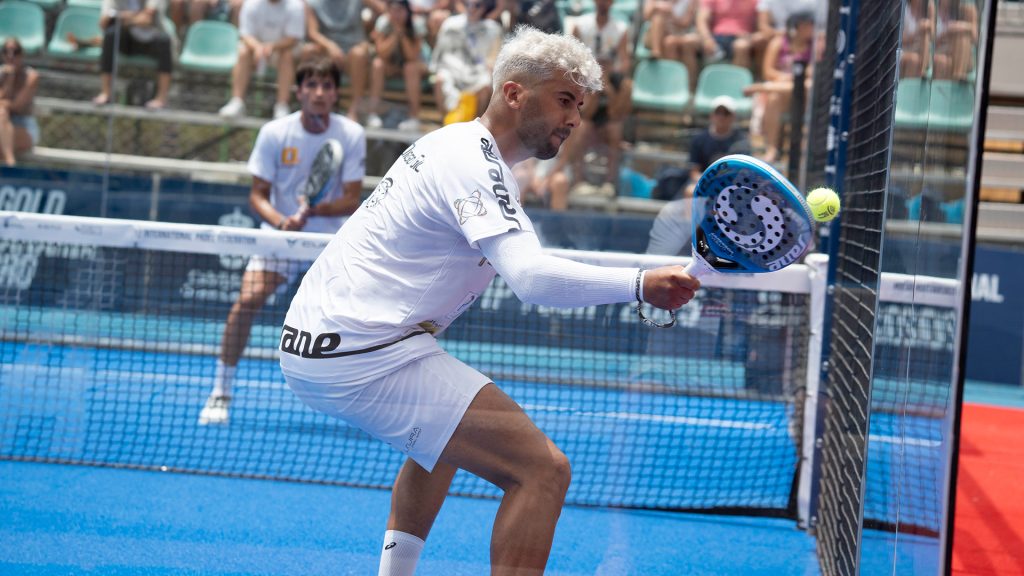
Match Management & Game Plans
Summary
Create and execute tactical game plans
Introduction
Match management and game plans are integral components of competitive padel, elevating a player's strategic understanding and situational adaptability during matches. Being a successful player extends beyond technical skills; it demands the ability to analyze opponents, develop strategies, and adjust dynamically throughout the game. In this advanced lesson, we will delve into how to create and execute tactical game plans, focusing on pre-match analysis, in-match adjustments, and effective communication with your partner.
Key Concepts
Pre-Match Analysis
The foundation of successful match management is thorough pre-match analysis. To create effective game plans, players must assess not only their strengths and weaknesses but also those of their opponents. This analysis should lead to the formulation of multiple strategies that can be employed based on the evolving dynamics of the match.
- Understanding Your Team:
- Identify your strong and weak points in areas such as serving, returning, net play, and defense.
- Evaluate physical attributes like speed, agility, and endurance.
- Communicate with your partner to synchronize playing styles and tactics.
- Analyzing the Opponents:
- Observe their previous matches if possible; take notes on their preferred shots, strengths, and weaknesses.
- Determine the players' preferred formations, whether they attack from the net or play defensively at the back.
- Assess footwork, movement patterns, and how they respond under pressure.
- Developing Game Plans:
- Plan A: Develop a primary tactic based on the identified weaknesses of the opponents. For example, if one opponent has a weak backhand, aim to target their backhand side with lobs or deep groundstrokes.
- Plan B: Create alternative strategies for varying circumstances, such as when facing strong net play. This could involve playing at the feet of the net player or utilizing angled volleys to create space.
- Plan C: Establish a defensive plan that you can revert to during times of pressure. This can include maintaining consistent rallies, playing lobs to regain control, or focusing on conserving energy for crucial points.
In-Match Strategies
Implementing your tactical game plans during the match requires constant assessment and flexibility. Regularly reviewing your strategies and making in-the-moment adjustments based on performance is key to maintaining a winning edge.
- Review Stakes: Assess your effectiveness every three games. Look for patterns such as:
- Are your opponents adjusting to your tactics?
- Are you winning or losing crucial points based on the strategy?
- How is your partner performing, and how does it influence your combined strategy?
- If Losing:
- Make necessary adjustments before it’s too late. Switching your strategy can create opportunities, particularly when your opponents have found their rhythm.
- Communicate openly with your partner. Discuss potential changes and ensure both players understand the new approach.
- Consider a shift in positioning, such as switching to more aggressive net play if being pinned at the back.
- If Winning:
- Consistency is key. Avoid overcomplicating the game plan if the existing strategy yields success.
- Make subtle adjustments rather than drastic changes. A modified lob angle or improved positioning can be all that's necessary.
- Focus on maintaining control and applying pressure consistently, ensuring that your partner feels synchronized in the established game plan.
Effective Communication and Partner Synchronization
A winning match requires seamless communication and a synchronized approach with your partner. Here, we will explore techniques for fostering this synergy:
- In-Game Communication:
- Develop a set of non-verbal cues to efficiently communicate during the match. Simple gestures can convey changes in strategy, shot selection, or positioning.
- Encourage dialogue. Positive feedback can bolster morale, while constructive criticism can foster growth and adaptation.
- Pre-Planned Signals:
- Implement specific calls for tactical shifts, such as “bring it in” for aggressive net play or “back to basics” for defensive strategies.
- Agree on how to signal transition plays. For example, use gestures for targeting specific shots or formations.
- Practice Together:
- Prior to competitive matches, practice various match scenarios together. Running through different game plans strengthens your partnership and tactical implementation.
- Include role-playing in drills, allowing both players to alternate between offensive and defensive strategies.
Adjusting Tactics Based on Game Flow
The ability to adapt based on the flow of the match can distinguish a great player from a competent one. Maintaining situational awareness throughout the match will enable you to exploit weaknesses dynamically.
- Identifying Momentum Shifts:
- Recognize when the opposing team gains momentum. This could be indicated by a series of points won or a significant performance uptick from their players.
- During these moments, initiate tactical changes that disrupt their rhythm, potentially by shifting your position or shot placement.
- Tactical Playback:
- Record your game footage and analyze it post-match. Look for moments where tactical shifts were ineffective or could have been improved.
- Discuss these recordings with your partner to ensure both players understand and agree on the areas processed during gameplay.
- Emotional Regulation:
- Develop mental strategies to stay focused and calm even when under pressure. Techniques such as deep breathing, visualization, or pre-determined routines can enhance composure.
- Recognize physical and mental fatigue and address it through substitutes or a rethink in tactics (e.g., higher success bounces if tired to ensure quick returns).
Common Mistakes
Understanding common pitfalls can enhance your ability to execute game plans effectively. Avoiding these common mistakes will lead to better match management:
- Failure to Analyze: Many players overlook thorough pre-match analysis, leading to unpredictability on the court when opponents exploit unprepared weaknesses.
- Inflexibility: Sticking rigidly to a game plan even when it’s clearly ineffective can result in substantial losses. Be prepared to adapt at any moment.
- Poor Communication: Insufficient communication can lead to confusion and awkward transitions on the court. Regular check-ins are essential.
- Neglecting Partner Dynamics: Sometimes, players are too focused on their individual performance that they disregard their partner's input or gameplay, leading to disjointed strategies.
Pro Tips
Here are several pro tips to further enhance your understanding of match management and tactical game planning:
- Study professional matches. Pay close attention to how top players, such as Juan Lebrón or Alejandra Salazar, analyze opponents and adapt their strategies dynamically during matches.
- Keep a match diary. Document successful plans and adjust them based on questions about performance and partner feedback. This will help you refine your strategies for future competitions.
- Practice mental strategies, such as mindfulness, before competitions to get into the right zone mentally and to improve decision-making under pressure.
- Utilize drills that simulate competitive pressure. For example, focus on timed matches against players that enforce high-energy rallies to replicate match conditions.
Practice Drills
Integrating specific practice drills can enhance match prep and refinement of tactical execution:
Drill 1: Targeted Lob Drill
Objective: Enhance targeted lobbing to exploit opponent weaknesses.
Duration: 15 minutes
Repetitions: 10 lobs (5 targeting each opponent's backhand)
Steps:
Player A serves to the back of the court aiming at Player B’s backhand. Player A follows it up with a high lob directed towards the baseline. Player B attempts to return the lob using various shots to simulate match dynamics. Switch roles after 5 lobs.
Drill 2: Communication Drill
Objective: Practice in-game communication and tactical adjustments.
Duration: 20 minutes
Repetitions: 12 points played, 3-minute intervals for signal discussions.
Steps:
Players face off in a mini-match. After every three points, players pause for 1 minute to discuss signals or any tactical shifts based on competitors' play. Continue the match, enforcing the agreed-upon tactics. Encourage adjustments in real-time based on the flow of play.
Drill 3: High-Pressure Situations
Objective: Build resilience and adaptability under pressure.
Duration: 25 minutes
Repetitions: Set of 3 games, each with a new target score.
Steps:
Players start a game at 0-4 down. Adjust tactics every two points if they do not score. Switch sides of the court after scoring two points. Repeat with the next game starting at 1-4, then 2-4, to simulate gradually increasing pressure.
Summary
Success in competitive padel is not solely determined by skill but also the ability to strategically manage matches and adapt on the fly. By investing time in pre-match analysis, refining in-match strategies, and fostering synchronized communication with your partner, you will elevate your game to new heights. By actively practicing the drills outlined in this lesson and applying the pro tips discussed, you will gain greater insights into match management and tactical execution. Embrace the challenge of competition, and remember that every point is an opportunity for development and growth in your padel career.
My Notes
No notes yet