
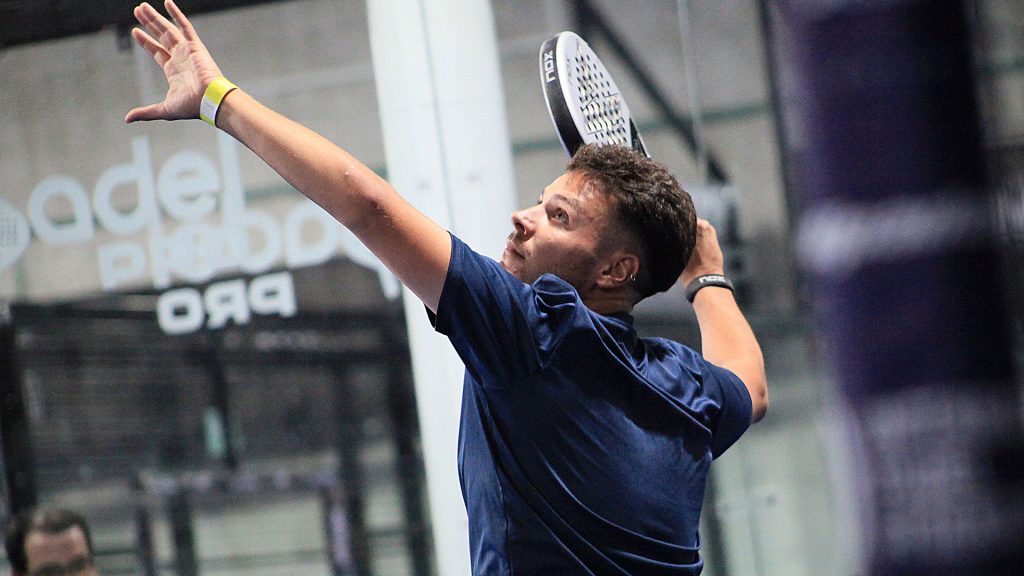
The Lob and Defensive Play
Summary
Master the lob shot to regain control and create opportunities
Introduction
Padel, often colloquially known as paddle, has seen a meteoric rise in popularity as an accessible yet strategic sport. A fundamental skill that can help define a player's game is the ability to execute a well-timed lob. The lob shot is particularly vital for intermediate players who are looking to elevate their game and regain control during a match. This article explores the various aspects of the lob, including its importance, technique, types, common mistakes, pro tips, and practice drills. By mastering the lob, you will not only escape pressure but also create attacking opportunities that can turn the tide in your favor.
The Importance of the Lob
The lob is a defensive maneuver that serves multiple strategic purposes on the padel court. Below are some critical reasons why mastering the lob is essential for every intermediate player:
- Escaping Net Pressure: When opponents crowd the net, executing a well-placed lob can provide the necessary space to regain control of the game.
- Moving Opponents Back: A powerful lob can push your opponents to the back of the court, disrupting their positioning and strategy.
- Creating Time to Recover: A smart lob can give you a moment to reposition, catch your breath, and prepare for the next shot.
- Setting Up Attacking Opportunities: By moving your opponents backward, the lob can create openings for your subsequent shots, putting you back in the driver's seat.
- Psychological Edge: Consistently executing successful lobs can unsettle opponents psychologically, causing them to doubt their positioning and anticipate defensive moves.
Lob Technique
Executing a successful lob requires a combination of technique, timing, and finesse. Below are essential components to focus on:
Preparation
The preparation phase sets the foundation for a successful lob. It involves the following key steps:
- Grip: Use an eastern grip or semi-western grip for better ball lift and control.
- Open Paddle Face: Ensure that your paddle face is angled upwards. This will help in creating the lift needed for a high trajectory.
- Stance: Position your feet shoulder-width apart for stability, and keep your knees slightly bent to ensure fluidity of movement.
- Positioning: Always maintain a keen awareness of your placement in the court to adjust your stance quickly. This ensures optimal leverage for a high, controlled lob.
- Body Relaxation: Keep your upper body relaxed. Tension can hinder the natural fluidity needed for successful shot execution.
Contact
Contacting the ball correctly is crucial for getting the desired height and direction. Follow these tips:
- Under the Ball: Position yourself so that you can hit under the ball using a low-to-high swing motion.
- Lifting Motion: Aim to generate upward momentum rather than simply hitting through the ball.
- Sweet Spot: Strive to make contact on the paddle’s sweet spot to achieve maximum control and efficiency in your lob.
Follow-Through
Your follow-through plays a significant role in the outcome of your shot:
- High Finish: After making contact, lift your paddle towards your target to ensure a clean, high shot.
- Aim for Control: Maintain focus on where you want the ball to land, adjusting your follow-through accordingly.
- Controlled Arm Movement: Focus on ensuring that your arm movement is controlled rather than exaggerated, to keep lobs accurate and consistent.
Height
Determining the optimal height for your lob is essential. You should aim to:
- Clear the Opponents: Make sure your lob is high enough to pass over your opponents while maintaining a chance for it to land in the court.
- Consider Court Dimensions: Use the angles of the court, making sure to land it deep in your opponent's territory.
- Monitor Wind Conditions: Especially if playing outdoors, adjust your lob height to accommodate wind, allowing it to aid rather than hinder your shot.
Types of Lobs
Understanding the different types of lobs will help you to better adapt your shots based on the match situation. Here are the primary types:
Defensive Lob
The defensive lob is a standard escape maneuver when up against aggressive opponents.
- Function: It is primarily used to regain control when you are under pressure at the net.
- Execution: Maintain a low-to-high swing with a firm grip and aim high and deep.
- Recovery: Utilize this lob to allow yourself and your partner to reposition and recover when overwhelmed.
Offensive Lob
An offensive lob is useful when you have the opportunity to disrupt the rhythm of your opponents.
- Function: It seeks to place your opponents in a position where they must scramble.
- Execution: Apply more power and aim for steep angles that force your opponents into a defensive position.
- Surprise Element: Use the offensive lob unpredictably, catching opponents off-guard with its sudden thrust.
Topspin Lob
The topspin lob is a more advanced shot that adds complexity to your gameplay.
- Function: It can be particularly effective in altering the speed and bounce of the ball.
- Execution: Rotate your wrist downward at the moment of contact to impart topspin, allowing the ball to dip sharply.
- Controlled Spin: Practice consistently to keep the topspin from becoming too exaggerated, maintaining a balance between speed and control.
Common Mistakes
Recognizing and avoiding common mistakes can expedite your mastery of the lob shot:
- Incorrect Paddle Angle: A closed face can result in the ball going into the net or not gaining the required height.
- Striking Too Late: Waiting too long to make contact can compromise the shot and lead to poor placement.
- Overhitting: While power is essential, too much force can lead to inaccuracies, pushing the shot out of bounds.
- Neglecting Footwork: The footwork is crucial for positioning; without it, your shot will lack consistency and focus.
- Underestimating Wind: Failing to consider wind can lead to undershooting or overshooting lobs, so always be mindful of environmental conditions.
Pro Tips
To further develop your lob techniques, consider these professional insights:
- Watch Professional Players: Observe players like Juan Martín Díaz, known for his effective use of the lob, and try to mimic their techniques.
- Vary Your Shot: Change the angle and speed of your lobs to keep your opponents guessing.
- Practice Under Pressure: Simulate match situations in practice to learn how to execute lobs during high-pressure moments.
- Use the Glass Walls: Lobs that hit the back walls can rebound strategically; practice this for added versatility.
- Shorten Your Backswing: In intense matches, a shorter backswing may allow quicker shots while maintaining control, useful for unexpected lob setups.
Practice Drills
To solidify your understanding and execution of the lob shot, engaging in structured practice drills is essential. Below, you’ll find specific drills with repetitions and timings to enhance your lob proficiency:
Drill 1: Wall Lob Drill
This drill focuses on perfecting your lob technique using a wall.
- Setup: Stand approximately 3 meters away from a solid wall.
- Execution: Lob the ball against the wall and practice various heights and angles.
- Repetitions: Aim for 25 shots, focusing on maintaining a steady stance, identical paddle position, and follow-through.
- Timing: Spend about 15 minutes on this drill, taking breaks as needed.
Drill 2: Partner Lob Rally
This drill encourages teamwork and helps you practice both defensive and offensive lobs.
- Setup: Partner up with someone who can feed balls to you.
- Execution: Stand at the net while your partner stands at the back of the court. Alternate between your defensive and offensive lob shots.
- Repetitions: Position yourself back and forth for 12 rounds, each person executing 12 lobs in a row.
- Timing: Allocate about 20 minutes for this drill, focusing on communication and consistency.
Drill 3: Conditioned Lob Game
This drill is designed as a mock game, putting your lob skills to the test.
- Setup: Create a small court boundary.
- Execution: Play a mini-match (first to 11 points) where lobs must be used to win points. Restrict other shots and require a lob in every rally.
- Repetitions: Play 4 separate mini-matches, adjusting strategies each time.
- Timing: Dedicate 30-40 minutes to this drill, with time for brief strategy discussions between matches.
Drill 4: Shadow Lob Technique
Work on your lob technique without hitting the ball, focusing on footwork and swing.
- Setup: No ball needed; find an open area on the court.
- Execution: Execute the lob technique with an imaginary ball, concentrating on foot placement, swing path, and follow-through.
- Repetitions: Perform 10 shadow lobs to ingrained muscle memory, taking note of any inconsistencies in technique.
- Timing: Spend around 10 minutes visualizing and perfecting each motion step-by-step.
Summary
Mastering the lob is an essential skill for any intermediate padel player looking to elevate their game. By understanding its importance in regaining control, learning the technique to execute it effectively, recognizing the different types of lobs, steering clear of common mistakes, and following professional tips, you can significantly improve your gameplay. Engaging in structured practice drills reinforces these skills, ensuring you are prepared for various match situations. With diligent effort and consistent practice, your ability to lob will become a formidable part of your arsenal, leading to greater success on the court.
My Notes
No notes yet