

Playing Against Left-Handers
Summary
Tactical adjustments for left-handed opponents
Playing Against Left-Handers: Tactical Adjustments for Left-Handed Opponents
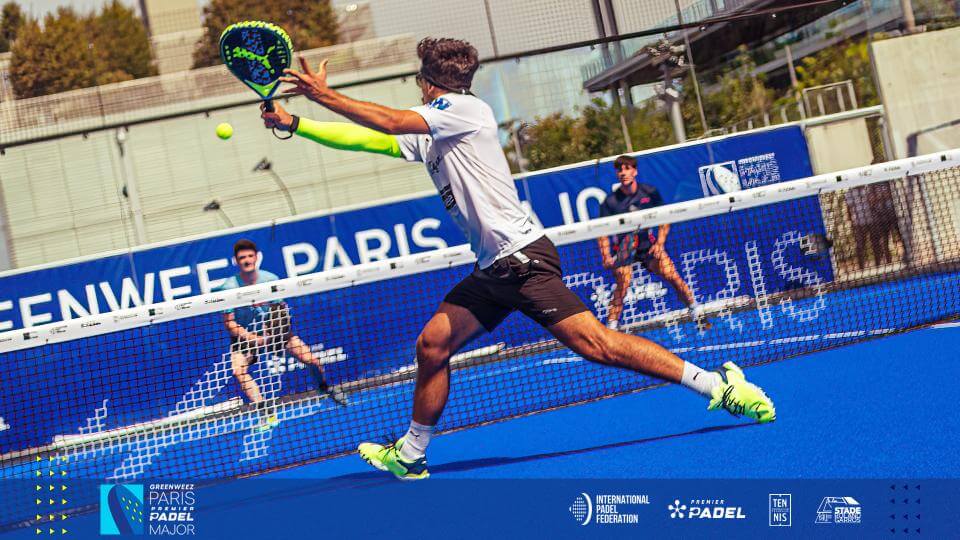
Paddle tennis, or padel, has seen an increase in its global popularity, leading to a rise in diverse playing styles and physical setups. Among these, facing left-handed players can introduce unique challenges for predominantly right-handed athletes. Understanding the tactical nuances of competing against left-handers can significantly enhance your performance and strategy on the court. In this comprehensive lesson, we will delve into the essential adjustments necessary to successfully compete against left-handed opponents.
Key Differences When Facing Left-Handers
Before we explore tactical adjustments, it is crucial to understand the inherent differences in playing against left-handed players. Here are several key points to consider:
1. Forehand on Your Backhand Side
The most prominent difference is that left-handers typically hit their forehands from the right side of the court, which directly targets your backhand. This naturally puts pressure on your weaker side.
- Challenge: Your backhand might be less consistent under heavier forehand shots.
- Solution: Focus on your backhand technique by practicing your footwork and shot placement to counter their shots effectively.
2. Unusual Angles in Crosscourt Rallies
A left-handed player’s crosscourt shots come at atypical angles, often catching right-handed players off guard.
- Challenge: Their crosscourt shot may produce unexpected bounces.
- Solution: Adapt your anticipation and positioning to counter these angles and prepare for angled shots.
3. Opposite Spin on Serves
Left-handed players generally serve with a spin that can disrupt your rhythm, making their serves particularly crafty and unpredictable.
- Challenge: The spin may sail in unexpected trajectories.
- Solution: Strengthen your return skills by practicing against various spins to build adaptability.
4. Comfort Level Against Right-Handers
Left-handed players have often trained against right-handed opponents throughout their careers, giving them an invaluable edge.
- Challenge: They are accustomed to exploiting vulnerabilities in right-handed players.
- Solution: Identify your strengths to neutralize this advantage and force your opponent out of their comfort zone.
Tactical Adjustments Against Left-Handers
Each unique aspect of a left-handed player’s game necessitates tailored tactical adjustments. Here are several strategies to refine your approach:
1. Serve to the Body More Frequently
Left-handed players love to have the ball at their preferred hitting zones. Serving to their body effectively limits their options and often results in weaker returns.
- Implementation: Aim for serves that pin them into a corner, making their forehands less effective. Aim to land your serves just below the service line to keep them guessing and off-balance.
- Timing: Focus on varying your serves every other game to prevent predictability.
2. Center Court as the New Target
Targeting the center of the court, especially during rallies, can coax left-handers into making uncharacteristic shots.
- Implementation: Position yourself to direct the ball towards the middle, impeding their preferred angles and forcing them into less comfortable shots.
- Anticipation: Develop an awareness of their positioning to anticipate their movements towards the edges.
3. Avoid Feeding Their Forehand
While engaging in rallies, be mindful of not giving your opponent too much opportunity to unleash their powerful forehand.
- Implementation: Try to construct points that minimize their forehand by keeping the ball on their backhand side. Utilize precise placement and varying depths to keep control.
- Drill: In practice, try to limit your rallies to the backhand side for a certain number of repetitions.
4. Adjust Lob Targets
Lobbing can be an effective tactic, but against left-handed opponents, your targets should shift.
- Implementation: Aim your lobs towards their backhand side or directly over their heads to prevent a strong overhead shot from their forehand.
- Practice Tip: In doing so, refine your touch for controlled, deep lobs to keep them within the court boundaries.
Advanced Tactics
As you become more comfortable with these initial strategies, consider integrating advanced tactics to further complicate the match dynamics for your left-handed opponent.
1. Double Bluff in Serves
- Strategy: Pretend to prepare for a body serve but switch to wide serves at the last moment. This unpredictability can generate errors.
- Execution: Practice with specific pre-serve routines to mask your intentions and enhance your serve deception.
2. Tactical Time Outs
- Purpose: Use timeouts strategically to disrupt their flow, especially if they’re gaining momentum with their forehand dominance.
- Preparation: Work with your partner to identify natural pauses in the game where a timeout can be most beneficial.
3. Enhance Volleys and Soft Touches
Being adept at net play against left-handers can turn the tide in close matches.
- Implementation: Focus on soft volleys and drop shots to exploit any tendency of the left-hander to play deep at baseline.
- Practice: Execute repetitive volley practices focusing on touch and control over power.
Common Mistakes While Playing Against Left-Handers
Every player makes mistakes, but identifying common pitfalls can empower you to avoid them while playing against left-handers.
- 1. Predictable Play: Relying on the same shot selections throughout the match can lead to easily countered plays. Always keep your opponent guessing.
- 2. Neglecting Footwork: Many players fail to adjust footwork as a response to lefty spins. Proper foot positioning is vital to deal successfully with their dynamic angles.
- 3. Giving Up Court Position: Retreating too much when facing left-handed cross-court shots can sap your effectiveness. Stay engaged and assertive in your position.
- 4. Inconsistent Service Returns: Attempting to execute a return without considering the spin can lead to errors. Focus on getting comfortable with multiple spins and angles in practice.
- 5. Impatience: Being too eager to finish points quickly can lead to sloppy play. Cultivate patience, setting up points strategically for the decisive moment.
Pro Tips for Mastering Play Against Left-Handers
In addition to the tactical adjustments mentioned above, consider these pro tips to further enhance your gameplay:
- 1. Study Your Opponent: Spend time observing left-handed players before your match. Note areas where they may struggle and formulate a plan to exploit weaknesses.
- 2. Engage in Specialized Drills: Incorporate specific drills that simulate play against left-handed players, focusing on strengths and weaknesses.
- 3. Develop Mental Agility: Play matches against left-handers regularly to build confidence and comfort. The more familiar you become, the more adaptive you’ll feel when facing them in competitive environments.
- 4. Work on Your Own Backhand: While facing left-handers, you’ll likely have to contend more with backhand returns. Dedicate time to tighten up your backhand play.
- 5. Team Coordination: If playing doubles, constantly communicate with your partner about shot choices and positioning to maintain a unified approach against the lefty challenge.
Practice Drills for Facing Left-Handers
To solidify your understanding and application of tactics for playing against left-handed opponents, utilize these repetitive drills during practice sessions.
1. Body Serve Drill
- Set up a target zone at the body position of a left-handed opponent on the opposite side.
- Serve with the intention of hitting that target zone at a consistent rate of 20 serves.
- Alternate between serving wide and targeting the body, gradually decreasing the spread of serving depth.
- Duration: 10 minutes
2. Center Court Return Practice
- With a partner (preferably left-handed), rally by targeting the center of the court.
- Count successful rallies without hitting to the sidelines, aiming for at least 30 consecutive shots.
- If achieved, increase the pressure by randomizing ball placements to promote quicker footwork and anticipation.
- Duration: 15 minutes
3. Backhand Rallies
- Set up a feeding session with a partner on the baseline.
- Your partner will direct the ball predominantly to your backhand side while mixing in a few forehand shots.
- Practice solidifying backhand returns with a focus on depth and placement.
- Target 40 total shots, alternating focus on both crosscourt and down-the-line strategies.
- Duration: 15 minutes
4. Lob Accuracy Exercise
- Identify specific targets on the court (e.g., corners, center) for lob shots.
- Practice executing lobs with an emphasis on accuracy targeting left-handed opponents covering a wide range of angles.
- Set a challenge of 20 successful lobs to particular zones.
- Duration: 10 minutes
Additional Drills and Conditioning
Enhancing your court agility and awareness is pivotal when facing tricky left-handers. Consider incorporating conditioning drills that improve both speed and flexibility.
1. Footwork Agility Circuit
- Design a footwork circuit that includes ladder drills, cone drills, and quick step exercises, focusing on lateral quickness and directional shifts.
- Dedicate 10 minutes at the end of each practice session.
2. Visual Reaction Training
- Use reaction balls or partner-assisted ball drops to sharpen your reflexes. React swiftly to unpredictable bounces, a useful skill against spinning serves.
- Try 3 sets of 1-minute reaction drills, resting 30 seconds between sets.
Summary
Competing against left-handed opponents presents a unique set of challenges and strategic opportunities. Understanding key differences, implementing tactical adjustments, recognizing common mistakes, and executing dedicated drills are paramount to succeeding in these matchups. By honing your skills through consistent practice, adapting your game plan, and developing your mental and physical agility, you will bolster your performance when facing left-handers on the court. Over time, this holistic preparation will enable you to recognize and exploit trends, leading to successful outcomes whenever you find yourself up against a left-handed opponent.
My Notes
No notes yet