
Playing Tournament Padel
Summary
Compete at your best in tournament settings
Playing Tournament Padel: Compete at Your Best
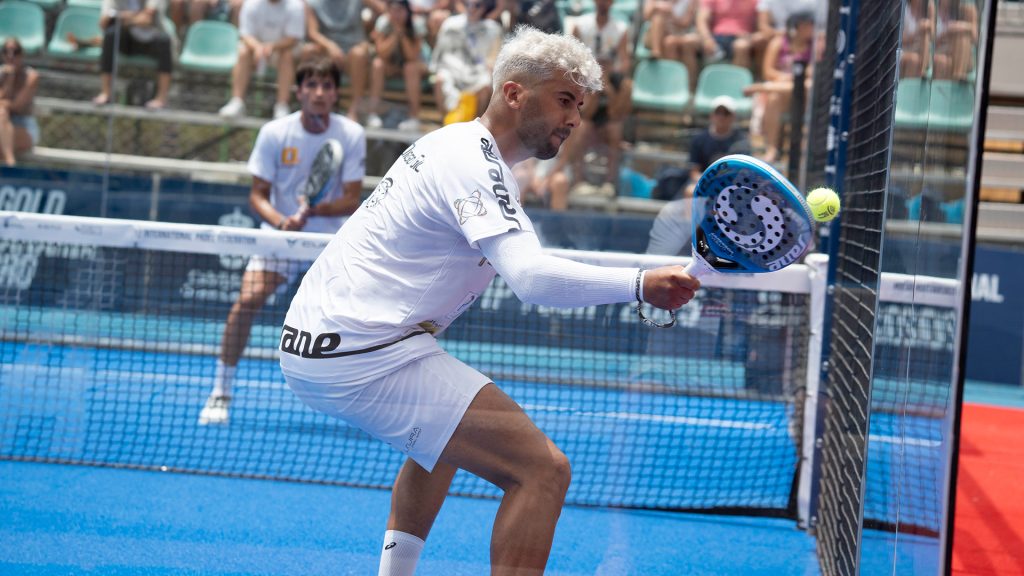
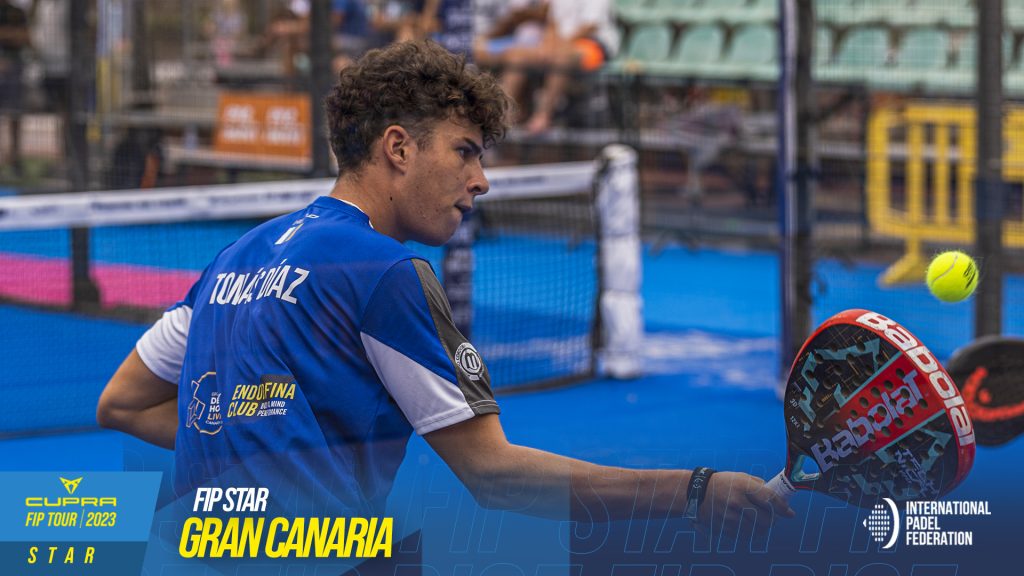
In the world of padel, tournaments offer the ultimate proving ground for athletes eager to showcase their skills, strategies, and mental fortitude. Playing in a tournament setting requires more than just physical ability; it demands strategic preparation, a strong mental game, and an understanding of how to adapt to various opponents and situations. This lesson is designed for advanced players looking to enhance their tournament performance through effective preparation, strategic gameplay, and psychological readiness.
Preparation: The Foundation of Success
Effective preparation is essential for success in tournament play. It involves not only physical readiness but also mental and logistical aspects. Here are pivotal areas to focus on:
Research Opponents
Understanding your opponents is vital for formulating a winning strategy. Gathering information on their playing style, strengths, and weaknesses can give you a significant competitive edge.
- Analyze Previous Matches: Review footage or match reports if available. Look for patterns in their play, including preferred shots, positioning, and serving techniques.
- Identify Key Strengths: Recognize what they do well. For example, a strong net player might look to dominate the front, while a baseline basher could rely heavily on groundstrokes.
- Understand Weaknesses: Every player has areas they struggle with. Target these weaknesses early in the match.
- Scout Directly: If feasible, observe your opponents during their matches before facing them to gather first-hand insights.
Logistical Preparations
In competitive environments, organization is key to reducing pre-match anxiety:
- Arrive Early: Arriving 30 minutes before your match allows time for a warm-up, equipment checks, and mental preparation.
- Organize Equipment: Ensure your gear is in order: check your racquet strings, bring extra grips, and have your pads and water bottles ready.
- Pre-Match Nutrition: Eat a light but energy-rich meal about 2-3 hours before your match, focusing on carbohydrates and protein to maintain energy levels.
- Mental Warm-Up: Spend 5-10 minutes visualizing your performance and going through your match strategy to mentally prepare yourself.
Physical Conditioning
Being in prime physical condition is non-negotiable in tournaments:
- Endurance Training: Engage in cardiovascular exercises such as jogging, cycling, or swimming to boost your playing endurance.
- Strength and Flexibility: Incorporate resistance training and stretching routines to enhance your strength and flexibility, crucial for powerful and precise movements on the court.
- Footwork Drills: Rapid directional changes are critical in padel. Practice agility through ladder drills and sprints.
First Games: Establishing Rhythm
The first matches of a tournament set the tone for the day, making it crucial to implement a strategy that allows you to warm up into your rhythm without risking early elimination.
Implementing a Strategic Game Plan
During your initial games, focus on playing smart rather than aggressively going for risky shots:
- Don't Take Risks: Favor safe shots until you find your rhythm. Play consistent, solid shots that allow for rallies without unnecessary errors.
- Observe Opponents: Use the early stages of the match to gather information on your opponents' patterns and weaknesses. Recognize the places where they might struggle defensively.
- Consistent Communication: If playing doubles, maintain clear communication with your partner, discussing strategies and adjustments based on what you observe about your opponents.
- Stick to Your Game: Prioritize your strengths and adapt your play based on how well you feel your shots are landing rather than underestimating your opponents.
Finding Your Rhythm
Establishing your rhythm is crucial for maintaining peak performance throughout the tournament:
- Focus on Footwork: Ensure your footwork is sharp and decisive. Move swiftly to tackle the ball and prepare to make your next shot.
- Rally Dynamics: Begin with sustained rallies to find your groove, gradually introducing more variations in shot selection as you become more comfortable during the match.
- Rest and Recharge: Utilize breaks effectively to relax and reset mentally between games. Hydration and small energy bites can help here.
Building Mental Fortitude
Develop robust mental strategies to cope with the pressure:
- Positive Affirmations: Reinforce belief in your capabilities by adopting a series of positive affirmations that boost confidence during critical moments.
- Visualization Techniques: Regularly practice visualizing successful shots and scenarios, fostering familiarity and confidence in executing them during matches.
- Stress Management: Practice deep-breathing techniques to calm nerves. Focus on one point at a time to avoid feeling overwhelmed.
Closing Matches: Maintain Your Advantage
As the tournament progresses, your focus should shift to solidifying your strategy and maintaining mental resilience throughout your matches.
Stay Focused on Winning Strategy
It's essential to remain concentrated on what has worked while being adaptable:
- Don't Change a Winning Strategy: If your approach is succeeding, don’t feel compelled to shift tactics. Observe how opponents adjust and counter their changes rather than altering your own successful methods.
- Mental Focus: Maintain awareness and mental clarity; avoid distractions from other matches happening around you. Keep breathing exercises handy for moments of stress.
- Maintain Rituals: Stick to pre-match rituals that ground you and help you mentally prepare before each match to establish a routine.
- Trust Your Preparation: Have faith in your training and strategies. Staying confident in your abilities will translate into improved performance.
Adapting to Match Conditions
Learn to adjust to changing conditions to maintain your competitive edge:
- Acknowledge Weather: Weather conditions can affect gameplay. For instance, if it's windy, alter lob angles and serve speeds for better control.
- Indoor vs Outdoor: Adjust strategies and equipment based on whether matches are held indoors or outdoors, considering factors like lighting, surface texture, and echo nature.
Common Mistakes in Tournament Play
Despite thorough preparation, players often fall into typical traps that can undermine their tournament performance:
- Overthinking: An excessive focus on opponent's strengths can lead to doubt. Instead, concentrate on your game plan and adapt based on match flow.
- Inconsistent Warm-Up: Failing to adequately warm up or practice drills before a match can lead to poor performance. Always dedicate time for a warm-up.
- Ignoring Mental Fatigue: As the tournament progresses, physical fatigue can affect mental clarity. Recognizing this and addressing it through rest and relaxation is crucial.
- Last-Minute Equipment Changes: Changing strings or racquets in the warmth of the moment can lead to inconsistent play. Stick with what you're comfortable with before entering the competition.
- Neglecting Recovery: Not allocating enough time for recovery between matches can hinder performance. Thorough cool-down routines and hydration are critical.
Pro Tips for Tournament Performance
Here are expert tips to elevate your tournament game further:
- Pre-Game Visualization: Visualizing yourself succeeding in key scenarios can mentally prepare you for pressure situations during matches.
- Strategic Rest Periods: Take advantage of downtime between matches to hydrate, recover, and stay mentally focused. Avoid distractions during this period.
- Review and Adjust: After each match, assess what strategies worked, and what didn’t. Use this information to adjust your game plan for subsequent matches.
- Mental Conditioning: Invest time in mental conditioning activities, including meditation or strategic breathing techniques, during downtime to improve focus and manage nerves.
- Hydration Best Practices: Ensure consistent hydration before, during, and after matches to maintain physical and mental acuity.
Practice Drills for Competitive Readiness
To effectively prepare for tournament settings, engaging in the following drills will develop your skills and boost confidence:
Drill 1: Structured Rally Drills
Time: 30 minutes
This drill emphasizes consistency and shot placement under pressure:
- Set-up: Pair up with a partner, and take positions at the baseline.
- Execution:
- Players alternate hitting 10 forehand groundstrokes, focusing on depth and accuracy.
- Next, perform 10 backhand strokes under similar rules.
- Finally, shift to volleys, each player performing 10 consistent volleys at the net.
- Repetitions: Complete this sequence for 3 rounds, incorporating a five-minute water break between rounds to simulate match conditions.
Drill 2: Point Play Simulation
Time: 30 minutes
This exercise simulates match play and provides practice under pressure:
- Set-up: Divide players into teams of two, simulating tournament situations.
- Execution:
- Participate in a series of 5-point matches, rotating partners every set of matches.
- Emphasize communication, implementing strategies based on previous rounds.
- Repetitions: Each set should last for 10 minutes, allowing players to practice under pressure while focusing on effective communication and delegation of shot responsibilities.
Drill 3: Tactical Game Analysis
Time: 20 minutes
This drill focuses on analyzing your game and developing strategic adjustments based on observations:
- Set-up: Partner up with two players. One player will actively play against another while the third player observes and takes notes.
- Execution:
- During a 10-minute point play simulation, the observing player notes patterns in both players’ tactics.
- Post-match, the observing player will discuss observations with the two competitors, suggesting adjustments and strategies based on the match flow.
- Repetitions: Rotate roles to ensure each participant gets the chance to play and analyze, executing 3 rounds total.
Drill 4: Serve and Return Practice
Time: 20 minutes
This drill focuses on honing crucial serve and return skills:
- Set-up: Work with a partner to practice serving and returning.
- Execution:
- Alternate serving 10 balls each, aiming at target zones for precision serving.
- After serving, switch roles and practice returning, focusing on depth and control.
- Repetitions: Alternate serve and return sessions for 3 rounds.
Summary
Competing in padel tournaments requires advanced skills but is equally governed by effective preparation and psychological strategies. By thoroughly researching your opponents, establishing a sound game plan for your first contests, and maintaining focus in closing matches, you can optimize your performance. Remember to avoid common mistakes, utilize expert tips, and hone your skills with targeted practice drills. Ultimately, the path to tournament success blends preparation, strategic play, and unwavering confidence in your abilities, transforming the challenges of competition into opportunities for greatness. With the right preparation and mindset, you can elevate your game and shine on the tournament stage.
My Notes
No notes yet