
Teaching Methodology: Analytical vs Global
Summary
Understanding different teaching approaches for learning and teaching padel
1. Introduction to Teaching Methodology
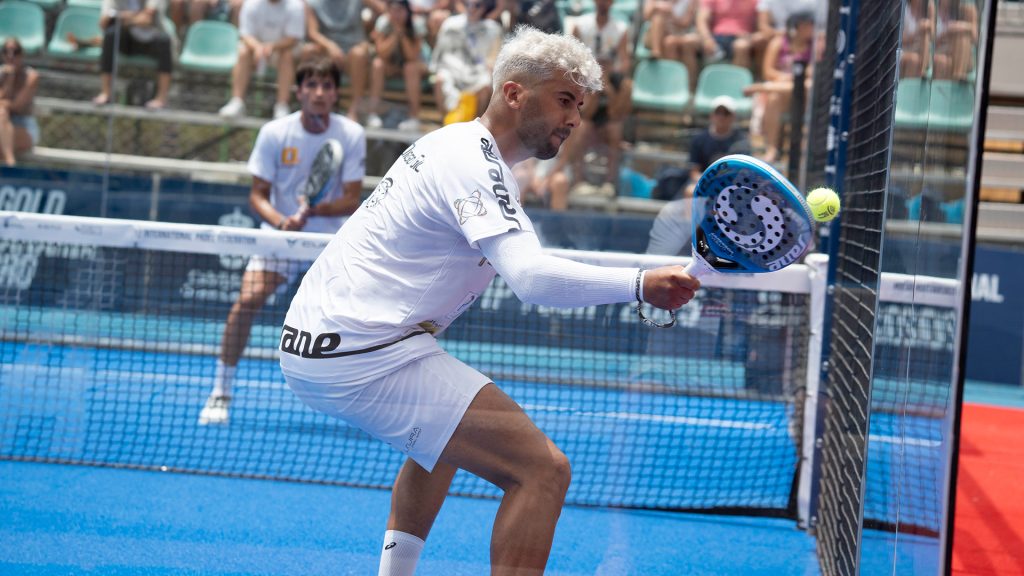
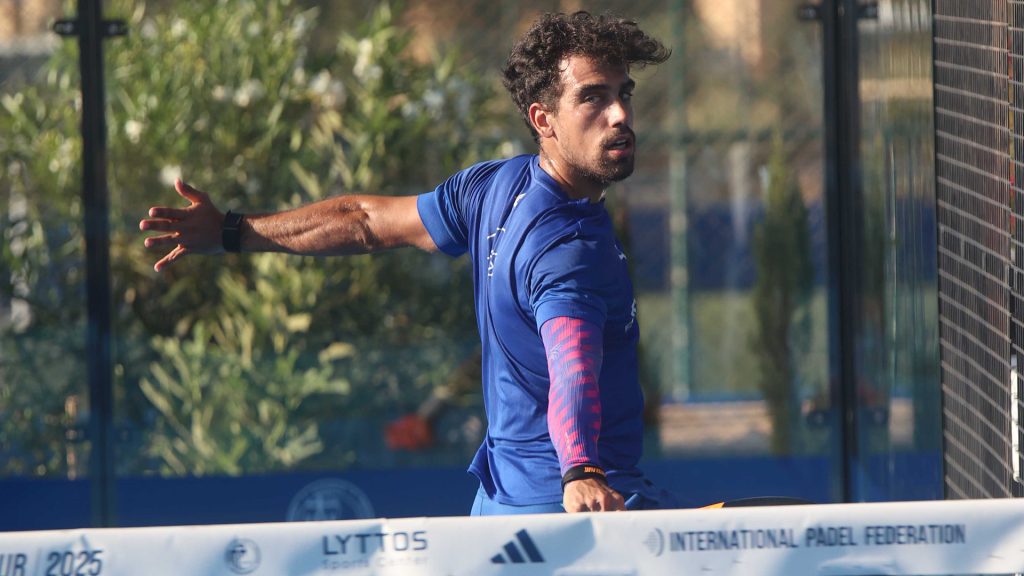
Methodology in sports instruction is a crucial aspect of developing a comprehensive teaching strategy. In the context of padel, which combines elements of tennis and squash with a strong social component, understanding different teaching approaches can significantly enhance performance and learning outcomes. This article explores two predominant teaching methodologies: the Analytical Approach and the Global Approach, outlining their respective benefits, limitations, and best practices for implementation. The goal is to equip both instructors and players with the tools to facilitate an effective learning environment conducive to mastering the game of padel.
2. Evolution of Teaching Approaches
a. Old Approach: TECHNIQUE First, TACTICS Second, GAME Last
Traditionally, the coaching paradigm in sports, including padel, emphasized a sequential learning method. This approach involved the mastery of technique before engaging in tactical understanding and game application. Coaches would focus on isolating specific skills, such as the forehand, backhand, or volley, allowing players to develop fundamental techniques without the complexities involved in actual match play.
- Strengths of the Old Approach:
- Structured learning process; clear progression of skills.
- Strong focus on developing motor skills and muscle memory.
- Individual skill assessment possible, leading to targeted coaching.
- Limitations of the Old Approach:
- Players may struggle to integrate isolated skills into actual game situations.
- Lack of understanding regarding tactical application and decision-making.
- Overemphasis on technique can lead to frustration and loss of enjoyment.
b. Modern Approach: GAME First, TACTICS Second, TECHNIQUE Last
The modern pedagogical methodologies applied in padel training lean heavily on game-based learning. Instead of starting the learning process with technique, this approach encourages players to experience the game first. This transition has been supported by research in educational psychology, which shows that engagement in game scenarios helps players internalize skills more naturally and intuitively.
- Strengths of the Modern Approach:
- Promotes an understanding of strategic aspects before delving into technical details.
- Enhances player engagement and enjoyment through practical application.
- Encourages critical thinking and adaptability in changing game situations.
- Limitations of the Modern Approach:
- Potential for inadequate technical foundation if not appropriately balanced.
- Difficulty in identifying specific skills to target without a clear framework.
- The overwhelming nature of game situations may discourage beginners.
3. Analytical Methodology in Padel Coaching
The Analytical Methodology is characterized by a structured breakdown of skills. Coaches using this method prioritize specific skill development through isolation and repetition. This analytical technique encourages players to focus on one skill at a time, such as the service return, cut shots, or positioning.
Key Components of Analytical Methodology
- Skill Isolation: Focus on one particular aspect, such as footwork or shot mechanics, allowing players to understand the nuances of the motion.
- Repetition: Allow players to repeatedly practice the isolated skill to develop muscle memory.
- Feedback: Providing real-time feedback to help correct errors and improve execution.
Practice Drills Using the Analytical Methodology
Drill 1: Forehand Technique Isolation
Focus: Developing a consistent forehand stroke.
Setup: Players stand on their side of the court, about 3 meters from the net.
Repetitions: Players hit 20 forehands from different positions across the court.
Timing: Each rally lasts approximately 2-3 minutes; focus on body positioning and swing technique rather than depth or placement.
Drill 2: Volley Mechanics
Focus: Mastering volley techniques.
Setup: In pairs, players stand 1 meter from the net, alternating roles as server and volleyer.
Repetitions: Each player performs 15 volleys, focusing on shoulder alignment and wrist stability.
Timing: 5-minute rounds, switching partners every round to vary the responses.
4. Global Methodology in Padel Coaching
The Global Methodology emphasizes holistic game understanding and skill integration. Coaches using this method promote learning in game-related contexts, helping players understand how individual techniques affect overall match strategy and performance.
Key Components of Global Methodology
- Game Context: Teaching skills within the context of actual game situations to enhance understanding and application.
- Tactical Awareness: Encouraging players to consider tactics and strategy while practicing skills.
- Holistic Skill Development: Focuses on the interplay between various skills, fostering adaptability and fluidity.
Practice Drills Using the Global Methodology
Drill 1: Mini-Match Scenario
Focus: Integrating tactics with skills in a match context.
Setup: Players form pairs; courts are divided into small zones (half-court for doubles-style play).
Repetitions: Each pair plays 3 mini-matches of 5 minutes each, with a focus on applying specific tactical objectives (e.g., playing to the net).
Timing: 3-minutes of tactical discussion before each match to outline the strategy.
Drill 2: Tactical Shape Practice
Focus: Understanding court positioning and movement in game scenarios.
Setup: Three players engage in a triangular positioning drill, working on maintaining court shape during exchanges.
Repetitions: Each rotation lasts for 4 minutes, focusing on maintaining optimal positioning related to the ball and each player’s role.
Timing: After 4 minutes, review and adjust strategies based on positional awareness shown during play.
5. Integrating Analytical and Global Approaches
Striking a balance between the analytical and global methodologies is a hallmark of effective coaching. It's essential to integrate these approaches, as they are not mutually exclusive. The key is knowing when to focus on the minute details of a particular shot or movement and when to guide players towards understanding the broader dynamics of play. The integration not only maximizes player learning but also keeps sessions dynamic and engaging.
An effective way to blend these methods is through the spiral approach, where training begins with a global understanding, zooms into analytical skill refinement, and then spirals back into an overall game context. By using this model, players are constantly reminded of the relevance of skills to the game, ensuring they are not just mechanically proficient but also strategically insightful.
Implementation Tips for Integrated Approach
- Segment Training Sessions: Start with a global session to introduce the game context, break into analytical drills for skill refinement, and conclude with game situations to consolidate learning.
- Use Hybrid Drills: Design drills that require skill performance under game-like conditions. This approach helps players see the immediate application of the techniques they are honing.
- Player-Centric Approach: Adjust the balance between analytical and global approaches based on the player’s level, goals, and learning style. Novices may need more analytical breakdowns, while advanced players might thrive with a strong global influence.
6. Common Mistakes in Coaching Methodologies
Regardless of the chosen methodology, certain frequent pitfalls can undermine effective learning.
- Overemphasis on One Approach: Depending solely on either methodology can limit a player's overall development. Combining elements from both methodologies can enhance learning.
- Feedback Misalignment: Inconsistent or unclear feedback can confuse players and stifle progress. Ensure that the feedback aligns with the teaching method used.
- Ineffective Transitioning: Failing to properly transition from isolated skill training to game-like scenarios can lead to a skills gap.
- Ignoring Individual Learning Styles: Not acknowledging players' specific learning preferences can lead to disengagement. Tailor your approach to individual needs.
7. Pro Tips for Effective Teaching Methodology
To enhance coaching effectiveness using these methodologies, consider the following tips:
- Blend Approaches: Employ a balanced mix of analytical and global techniques to cater to various learning styles and ensure comprehensive skill development.
- Encourage Self-Reflection: Teach players to analyze their performances, fostering independent learning and deeper engagement with their skill sets.
- Incorporate Video Analysis: Utilize video playback to provide visual feedback, allowing players to compare their techniques to those of professional athletes, like Juan Lebrón or Alejandra Salazar, who represent the pinnacle of modern padel.
- Focus on Fun: Keep sessions enjoyable to maintain player engagement. Competitive drills, games with modified rules, or social pair practices can enhance motivation.
- Set Clear Objectives: Clearly communicate specific objectives for each session to ensure players are aware of what they are working toward.
- Incorporate Mental Training: Padel is as much a mental game as it is physical. Encourage mindfulness practices or visualization techniques to improve focus and mental resilience.
- Regular Assessments: Organize periodic assessments to gauge progress and recalibrate your approach based on the results and feedback, ensuring personalized and adaptive coaching.
8. Summary
Understanding different teaching methodologies for padel—specifically analytical and global approaches—can have profound implications for both players and coaches. The old and modern teaching paradigms offer insights into how to engage athletes effectively and comprehensively. Balance is crucial; both analytical precision and global tactical awareness contribute to the effective development of players at all levels. Awareness of common mistakes and incorporating practical drills will ensure a well-rounded and adaptable coaching style that meets players' needs. The ultimate aim is not only improvement in technical execution and tactical awareness but also fostering a lifelong love for the game of padel, ensuring that players remain engaged, challenged, and excited about their continued development. By leveraging the best practices and insights from both methodologies, instructors can facilitate growth that transcends the court and enriches players' sporting journeys.
My Notes
No notes yet