

Understanding Wall Play
Summary
How to use the glass walls to your advantage
Understanding Wall Play in Padel
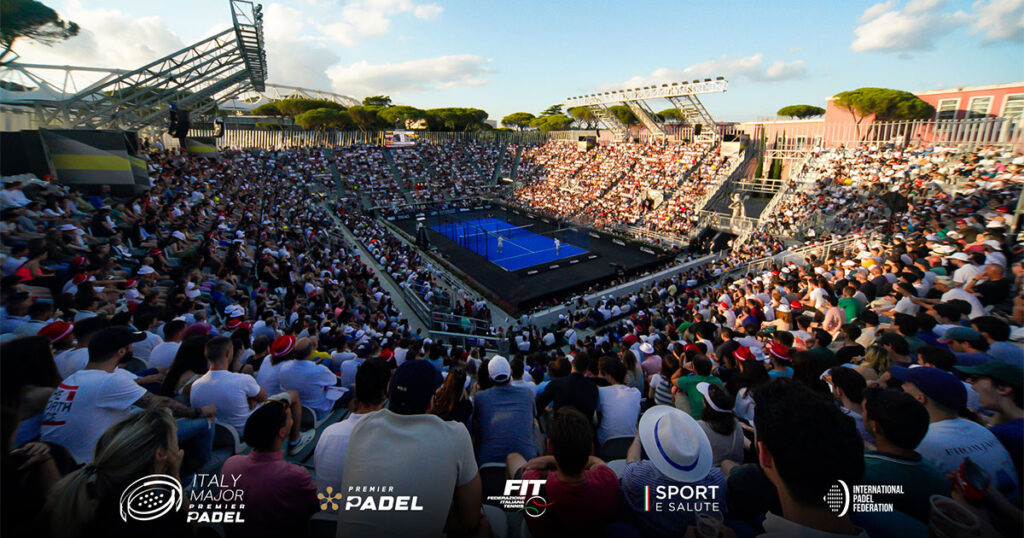
Padel, a uniquely engaging racquet sport, combines elements of tennis and squash, emphasizing strategic movement and shot precision. Central to the game’s intricate strategy are the glass walls surrounding the court—transforming potential obstacles into formidable tools. In this lesson, we will delve into the stunning potential of wall play, focusing on how beginners can harness this skill to elevate their game. Our exploration will cover the back wall, side wall, and the complexities of double wall interactions, along with practical drills and tips to incorporate these crucial concepts into your gameplay.
The Back Wall: A Strategic Asset
The back wall in padel is one of the most critical elements a player can leverage to gain an advantage. Rather than viewing it solely as a barrier, it should be seen as an extension of the court that can aid in trajectory management and shot placement. Understanding the back wall’s role enhances your gameplay dynamic, allowing for effective rallies and strategic shot selection.
Hitting the Ball After It Passes You
One of the key techniques to master with the back wall is timing your shot. When the ball approaches the back wall, positioning and anticipation are crucial.
- Position Yourself: Place yourself slightly to the side, parallel to the back wall.
- Let the Ball Hit the Wall: Allow the ball to bounce off the back glass. This timing grants you a second to judge its trajectory.
- Follow Through: Hit the ball after it has bounced back towards you, ensuring your racket is prepared to execute your shot effectively.
This technique grants more time to evaluate the ball’s speed and angle, creating advantageous opportunities for a strong counter-shot. A professional like Fernando Belasteguin excels at using this technique, often finding the optimal moment to strike, turning defensive plays into aggressive counters.
Creating Variability with Back Wall Use
Consistent use of the back wall can lead to predictability, which your opponent might exploit. Inject variety into your back wall play by varying the speed, spin, and angle of your shots after the bounce:
- Mix Shot Speed: Alter the pace at which you hit the ball, keeping your opponent unsure of what's next.
- Introduce Spin: Add topspin or backspin post-bounce to change the ball’s trajectory unpredictably after hitting the opponent's side.
- Angle Alterations: Depending on the situation, try hitting the ball parallel to the back glass to catch your opponent off-guard.
By integrating variety, you continuously challenge your opponent's expectations and create strategic difficulties in their returns.
The Side Wall: Angles Matter
The side walls are another integral feature of padel that serve to create an array of angles for shot placement. When executed correctly, these angles can surprise your opponents, forcing them into difficult returns.
Creating Angles
Utilizing the side walls effectively involves approaching the ball with a specific angle to generate a tricky return for your opponent:
- Positioning: As the ball approaches, move into a position where you can angle your racket toward the side wall.
- Angle Your Shot: Strike the ball with a downward angle aimed at the side wall.
- Follow Through: Ensure your racket follows through in the direction of your target, aiming for an angle that makes it challenging for your opponent.
This technique will result in the ball rebounding off the side wall at an awkward angle, leading to difficult returns. A player like Pablo Lima often implements side wall angles effectively in matches, creating unpredictable ball paths that disrupt opponents' rhythm.
Mastering the Offensive Lob
An offensive lob off the side wall can be an effective strategy when properly executed. This requires impeccable timing and understanding of the bounce dynamics:
- Assess Opponent's Position: Evaluate if your opponent is too close to the net, creating the opportunity for a lob.
- Execute with Precision: Aim to have the ball hit the side wall first, arcing over your opponent's head as they backpedal.
- Use Controlled Spin: Add a little topspin for control and to ensure the ball bounces within the baseline after the side wall contact.
This deceptive strategy can effectively reverse rallies, placing you in the advantageous position upon execution.
The Complexity of Double Wall Play
As you advance your understanding of wall play, working with double walls presents an exciting challenge. This advanced concept involves the ball striking the back wall and then the side wall. Understanding this sequence is vital when developing your strategic play.
Advanced Placement and Techniques
Double wall interactions create a multitude of possible ball trajectories, complicating the opponent’s ability to predict the subsequent bounce:
- Preparation: Ensure that your positioning allows you to intercept the ball after it bounces off the back wall.
- Reading the Bounce: Observe how the ball interacts with both walls. Pay attention to the specific angle created after the double bounce.
- React and Execute: Be ready to hit the ball effectively, ideally aiming to redirect it back to open areas on the court.
Being proficient in double wall play, while challenging, opens up a vast realm of strategic options during gameplay. Pro players like Juan Martín Díaz showcase double wall techniques in their performances to outmaneuver their opponents significantly.
Double Wall Defensives
Incorporating double wall plays isn't just an offensive strategy. It can also effectively stall the rally, allowing you to reset and control gameplay tempo:
- Use for Time: If you find yourself in a scramble, strategically hit towards the double wall to buy time while you reposition.
- Assess Opponent's Movements: Double wall engagements slow the game momentarily, providing critical seconds to readjust and exploit your opponent's weak spots.
- Disguise Execution: When your opponent expects direct returns, employing a double wall can disorient and create openings.
Mastering when to use this defensive strategy effectively can significantly enhance your control of the game pace.
Common Mistakes to Avoid
As with any skill, beginners often fall prey to specific pitfalls when incorporating wall play into their game. Being aware of these common mistakes can save time and enhance your learning curve.
- Hitting Too Early: A common issue is striking the ball too early. Patience is key—wait until the ball has passed your position.
- Poor Positioning: Standing directly in front of the back wall limits your shot options. Always position yourself slightly to the side to create angles for ground strokes.
- Neglecting the Walls: Forgetting to utilize the walls can limit scoring opportunities. Remember, the walls are an extension of your court, not barriers.
- Forgetting to Adjust for Spin: If an opponent imparts significant spin, this can alter the ball’s behavior after hitting the walls. Be prepared to react to these changes.
- Over-Reliance on Wall Use: While walls are instrumental, over-dependence can lead to predictability. Balance direct hits with wall play for strategic diversity.
Pro Tips for Effective Wall Play
Mastering wall play requires practice and strategic insight. Here are some pro tips to elevate your wall play to the next level:
- Watch Professional Matches: Analyzing how pro players use wall play can provide invaluable insights into effective techniques and decision-making.
- Practice Your Angles: Dedicate practice sessions specifically to drilling wall angles, paying attention to your footwork and body positioning.
- Stay Dynamic: Constantly adjust your positioning based on the ball’s location, ensuring positioning allows for a variety of shot choices.
- Communicate with Your Partner: Especially in doubles, ensure you and your partner discuss strategies that include wall play to enhance teamwork.
- Embrace Creativity: Think outside traditional wall play strategies. Use creativity to craft unique spins and angles your opponents may not anticipate.
Practice Drills to Enhance Wall Play
To incorporate wall play effectively into your game, structured practice drills are essential. Here are a few drills you can implement to focus on this skill:
Drill 1: Deep Ball Reception
This drill focuses on receiving deep balls that bounce off the back wall.
- Setup: Partner stands at the service line, feeds balls deep towards the back wall.
- Execution: Let the ball bounce off the back wall before hitting it after it rebounds.
- Repetitions: 20 reps each side, switching roles after completion.
- Timing: Use a timer; each player has 10 minutes to complete their repetitions.
Drill 2: Side Wall Angles
This drill emphasizes creating angles with the side walls.
- Setup: Both players stand in the center of the court near the service line.
- Execution: One player feeds a ball so that it approaches the side wall at a sharp angle, and the other player aims to hit the ball after it bounces off the side wall.
- Repetitions: 15 reps, alternating roles after every five balls.
- Timing: Each player has 8 minutes to complete their reps.
Drill 3: Double Wall Challenge
This drill emphasizes the complexities of double wall play.
- Setup: One player starts at the service line, feeding deep balls aimed at bouncing off the back wall and then off the side wall.
- Execution: The receiving player focuses on anticipating the path of the ball after it hits the double wall.
- Repetitions: 10 successful hits, then switch roles.
- Timing: Each player practices for 10 minutes, counting successful returns.
Drill 4: Controlled Rally with Wall Variance
This drill improves skills by integrating wall play into a continuous rally, enhancing reaction timing and shot execution.
- Setup: Both players participate in a rally, aiming to hit various walls interchangeably.
- Execution: Start with light volleys, gradually incorporating back and side wall blocks, maintaining a consistent rally rhythm.
- Repetitions: Aim for a streak of 30 continuous wall-involved shots, then switch to increase rally pressure.
- Timing: 15 minutes per player as part of a warm-up routine.
Summary
Understanding wall play unlocks the multifaceted nature of padel, converting perceived barriers into strategic tools that can sway the outcome of a match in your favor. Remember, using the back wall correctly allows for effective timing, while mastering side wall angles creates unpredictable shots that can unsettle opponents. Additionally, grasping the intricacies of double wall interactions will expand your arsenal of techniques. Avoid common pitfalls by maintaining awareness of your positioning and timing, and utilize the provided drills to sharpen your skills. By incorporating these principles and practices into your game, you not only enhance your competence but also improve your confidence on the court. Practice diligently, and soon you will be strategically dominating your opponents using the exquisite art of wall play.
My Notes
No notes yet