

Advanced Net Formations
Summary
Australian formation, I-formation, and poaching
Advanced Padel Tactics: Mastering Net Formations
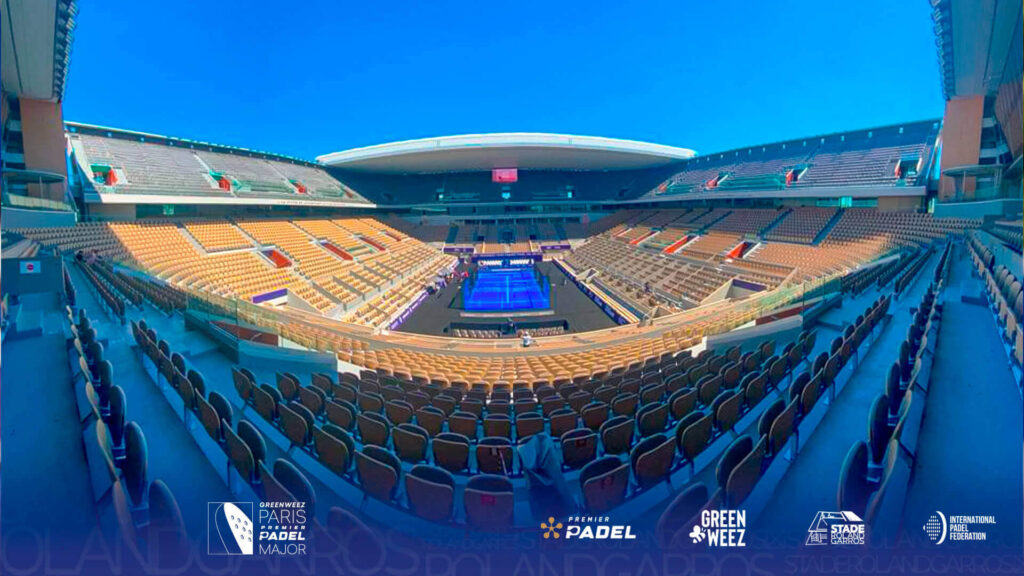
Padel, a sport that combines elements of tennis and squash, requires not only exceptional hand-eye coordination but also strategic thinking. At the advanced level, players must focus on tactical dynamics that can manipulate the flow of the game. Net formations, such as the Australian formation, I-formation, and poaching, are critical techniques that can enable players to gain control over points. This lesson aims to explore these advanced concepts in depth, providing players with the necessary tools to implement these formations effectively during matches.
Key Concepts
The Australian Formation
The Australian formation is a strategic positioning strategy used primarily by the serving team to induce confusion and pressure on the receiving team. In this formation, the server's partner positions themselves on the same side of the court as the server. This alignment serves to disrupt the expected return pattern from the opponent.
Implementation
To employ the Australian formation effectively, follow these steps:
- The server stands on the baseline, preparing to serve from the deuce side.
- The server’s partner positions themselves close to the net on the same side as the server.
- When the server delivers their serve, the partner should be ready to react based on the return direction.
Advantages
- Confusion: The alignment on one side can confuse the returner, making them second-guess their shot location.
- Variety: Forces returners to adjust and change their usual patterns, potentially leading to errors.
- Pressure: Increases pressure on the returner to make an accurate shot, as there’s a high likelihood of net interception.
The I-Formation
The I-formation takes net positioning to a new level by emphasizing surprise and adaptability. Unlike the Australian formation, players in the I-formation are more centralized. The server’s partner crouches at the center of the net, ready to react post-serve.
Implementation
Using the I-formation entails the following:
- The server positions themselves on the deuce side, while the partner begins at the center position of the net.
- As the server initiates the serve, the partner should remain low and prepared to move based on the return.
- After the serve, the partner quickly moves left or right to cover the corresponding side of the court.
Advantages
- Surprise Factor: The positioning typically catches opponents off guard, especially if they expect the partner to follow traditional positioning.
- Coverage: The formation allows for swift coverage of both sides of the net once the serve is initiated.
- Flexible Responses: Giving the serving team options to respond to different types of returns effectively.
Poaching
Poaching is a daring yet often effective strategy where a partner intercepts a shot expected for their teammate. This tactic involves a high level of confidence and communication between players. Poaching can decisively swing momentum in matches.
Implementation
To successfully incorporate poaching into your game:
- Maintain a strong awareness of your partner’s position, the ball's trajectory, and the opponent’s likely return shot.
- As the ball approaches your partner, anticipate and move towards the middle if you read an opportunity to intercept.
- Execute the shot decisively; this could be a volley or a swift overhead, targeting the opponent's weaker side.
Advantages
- Element of Surprise: Catching opponents off guard can lead to easy points.
- Game Flow Control: Poaching can disrupt the rhythm of the opponents, especially if they are used to playing predictably.
- Momentum Shift: Successfully poaching a point can elevate your team's confidence and energize your game.
When to Use Advanced Net Formations
Strategically utilizing these net formations is crucial during various phases of a match. Consider deploying these tactics in the following situations:
- When Consistently Losing Serve: If your team is struggling with service games, using the Australian formation or I-formation can introduce unpredictability and create momentum change.
- Against Predictable Returners: If you face opponents who consistently return to specific locations, changing your formations can exploit their weaknesses.
- To Change Match Momentum: If your team is on a losing streak, a surprise element like poaching or a change of formation can disrupt the opponents' flow.
Managed Risk: Understanding the Defensive Trade-off
Advanced formations such as the Australian and I-formation can open up tactical avenues but must be used judiciously. Here's how to manage the inherent risks:
- Opponents’ Adaptation: Skilled opponents might quickly adapt to your atypical positioning. Be ready to revert to standard positioning if the formation ceases to yield results.
- Leaving Openings: Overcommitting to a formation can leave wide open spaces, vulnerable to lobs or aggressive returns. Always have a fallback plan.
- Energy Expenditure: These formations often require agile movement to cover the court effectively post-serve. Conserve energy throughout the match by alternating formations.
Common Mistakes
Even advanced players can fall victim to common errors when deploying these net formations. Awareness and correction of these mistakes can drastically improve performance:
- Poor Communication: Not signaling intentions with your partner can lead to misunderstandings and missed opportunities. Use clear verbal cues.
- Inconsistent Positional Play: In an I-formation, leaving the center too early can create gaps. Maintain a low center of gravity and stay ready.
- Overcommitting to Poaching: Sometimes, players fall into the habit of poaching too often. This tactic should be employed selectively, or it risks leaving your partner vulnerable.
- Lack of Anticipation: Not reading opponents' stances or body language can lead to missed opportunities for poaching or strategic positioning.
Pro Tips
To elevate your understanding and execution of advanced net formations, consider the following pro tips:
- Practice with Partners: Regularly engage in drills focused on communication and coordination to enhance synchronization with your partner.
- Embrace Variability: Alternate between formations and watch your opponents' reactions. This will give you valuable insight into their playing style.
- Use Feints: Faking movements can mislead opponents. For instance, a server can feign an Australian formation to create openings.
- Study Professional Matches: Analyze professional players like Juan Lebrón and Alejandra Salazar, who utilize these formations effectively, looking for insights into timing and situational use.
- Start Small: Introduce new formations during practice matches or less crucial points to build confidence and discern effective patterns.
Communication as the Cornerstone
Effective communication between partners is the backbone of successfully executing advanced net formations. Here’s how you can improve this key aspect:
- Develop Pre-formulated Signals: Establish hand signals at the start of the match to indicate intended actions. This can reduce verbal communication and maintain the element of surprise.
- Continuous Dialogue: Engage in brief dialogues during changeovers to adjust strategies and ensure you and your partner remain on the same page tactically.
Practice Drills
Deliberate practice is key to mastering advanced net formations. Below are specific drills focused on each formation discussed, including repetitions and timing:
Drill 1: Australian Formation Challenge
Objective: To enhance reaction time and communication in the Australian formation.
- Setup: Use half the court with both players at the net.
- Execution: The server serves the ball at different speeds and placements while the partner attempts to intercept the return based on the serve. Switch roles after 10 serves.
- Repetitions: 20 serves per player.
- Timing: 15 seconds per serve to maintain a steady rhythm.
Drill 2: I-Formation Positioning
Objective: To improve movement and coverage during the I-formation.
- Setup: Players start in the formation at the net.
- Execution: The server delivers a hard serve while the partner remains crouched. After the serve, the partner moves to intercept or cover the anticipated return.
- Repetitions: Perform 15 serves with movement adjustments for each partner to gain familiarity.
- Timing: Adjust moves within a 20-second window per set.
Drill 3: Poaching Practice
Objective: To refine anticipation and reaction for effective poaching.
- Setup: One player at the baseline (the returner) and one player at the net (the poaching player).
- Execution: The base player serves a ball to the returner, who is to direct the ball both crosscourt and down-the-line; the net player attempts to intercept at various angles.
- Repetitions: 30 serves, alternating roles after every 10.
- Timing: 30 seconds for each role to maintain pace and energy level.
Drill 4: Communication and Coordination
Objective: To bolster communication skills and increase court synchronization with your partner.
- Setup: Utilize the full court with partners starting in standard positions.
- Execution: During rally situations, switch between formations (Australian, I-formation) with signals, ensuring smooth transitions and maintaining pressure on the opponents.
- Repetitions: Cycle through each formation at least 10 times within a single practice match.
- Timing: Each rally should last approximately 30-60 seconds, emphasizing real-match scenarios.
Summary
Mastering advanced net formations such as the Australian formation, I-formation, and poaching is integral to achieving tactical superiority in padel. Each formation has its unique advantages and is best deployed strategically based on the match context. Understanding when to use these formations, avoiding common mistakes, and engaging in targeted practice can elevate your game significantly.
As you implement these strategies, remember to maintain clear communication with your partner and observe opponents' reactions to adjust your tactics promptly. By honing these skills and practicing diligently, you’ll find yourself in greater control of the match dynamics, capitalizing on your opponents' weaknesses and driving towards victory.
Embrace the challenge of advanced net formations, and transform your tactical approach on the padel court. Whether you are playing recreationally or competing at high levels, these strategies will empower your journey in padel.
My Notes
No notes yet