
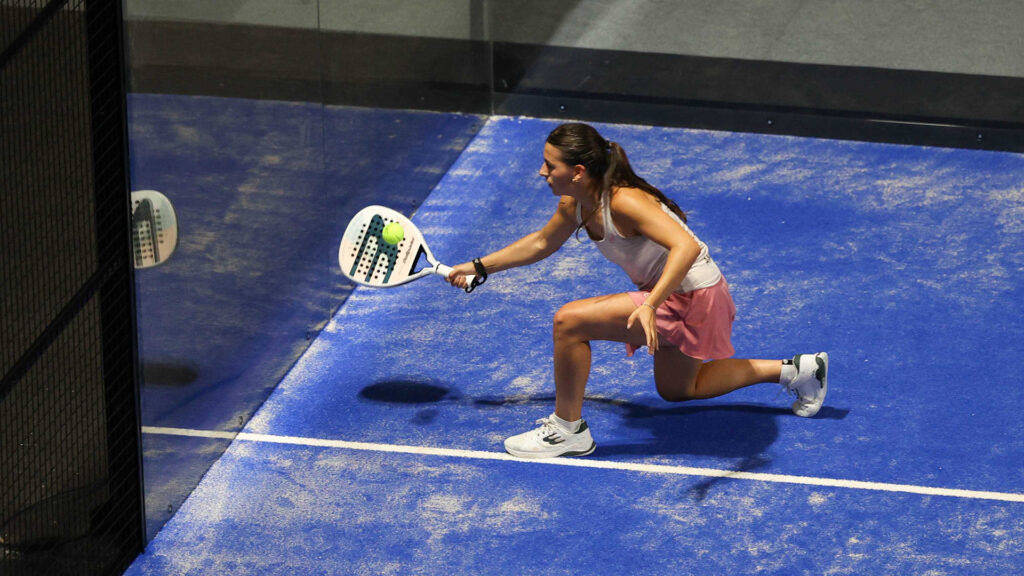
Tactical Positioning
Summary
Advanced strategies for court positioning and movement patterns
Introduction
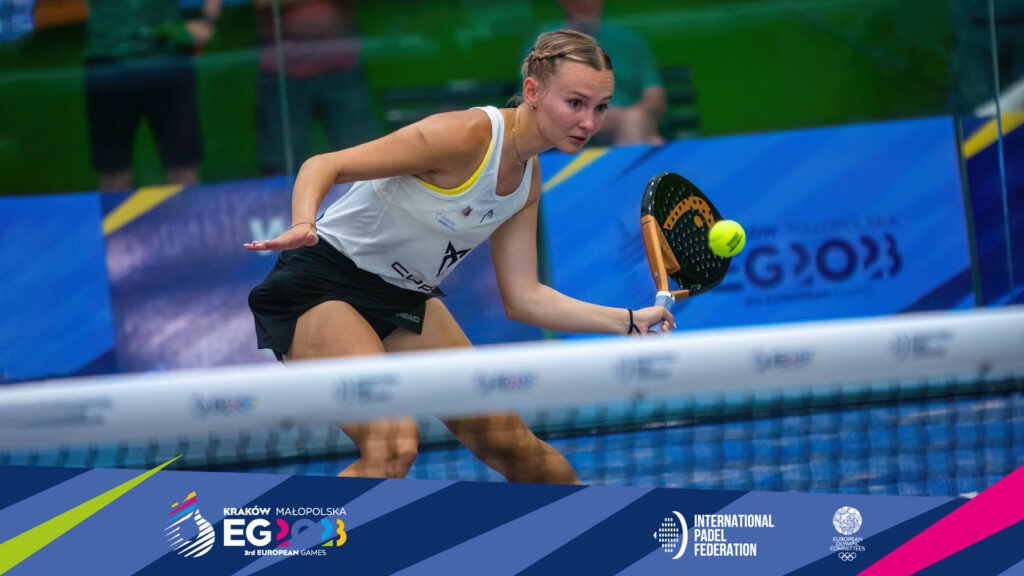
Tactical positioning in padel can be a game-changer, especially for intermediate players looking to elevate their performance on the court. Mastering the nuances of where to position yourself and your partner can significantly influence the outcome of matches. In this lesson, we will delve deep into advanced strategies pertaining to court positioning and movement patterns that are crucial for dominating your opponents. This lesson will cover tactical positioning at the net, optimal net positioning, defensive zone management, and the synergy between positioning and teamwork.
The Net Position Advantage
Positioning at the net can dramatically improve your game, allowing for both offensive and defensive strengths. When you're at the net, you have the ability to control the flow of the match, which can lead to winning points more effectively. Below are the key benefits of maintaining a solid net position:
- Hit Down on Balls: When you are positioned well at the net, you can strike the ball from a higher angle. This not only increases the control you have over your shots but also creates difficult angles for your opponents, making it harder for them to return the ball effectively.
- Reduce Opponent's Reaction Time: Being at the net allows you to take the ball early, which puts pressure on your opponents. They have less time to react to your shots, increasing the likelihood of unforced errors on their part.
- Close Passing Shot Lanes: When you are positioned correctly at the net, you effectively limit the options of your opponent for passing shots. By covering key angles, you make it more difficult for them to find a way past you.
- Apply Consistent Pressure: A strong net presence allows for continuous pressure on your opponents, forcing them into a defensive stance. This can lead to them making suboptimal shots due to the constant threat you pose.
Optimal Net Positioning
Once you understand the advantages of being at the net, the next step is to refine your positioning to maximize those benefits. Here are the principles of optimal net positioning:
- 1.5-2 Meters from the Net: An effective position is generally between 1.5 to 2 meters from the net. This distance allows you to maintain a good angle while being close enough to intercept shots. It helps to have a balanced distance that allows for effective reactions and controls.
- Cover the Center with Your Partner: Your positioning should always consider your partner's placement. Be aware of the center line and adjust to cover this critical area. Coordinated movement with your partner can create a strong wall that is difficult for opponents to penetrate.
- Adjust Based on Ball Position: Anticipate where your opponents are likely to hit the ball, and adjust your position accordingly. If they are hitting to your left, favor that side while also keeping an eye on your partner’s positioning.
- Stay Dynamic, Not Static: Always be ready to move. A common mistake is to get locked into a position; great players like Juan Lebrón consistently demonstrate the ability to shift their positioning based on the ball’s trajectory, keeping their opponents guessing.
Defensive Zone Management
While aggressive net play is often desirable, there are situations where going on the defensive is necessary. Understanding how to navigate the defensive zone can save crucial points. Here are key strategies to consider:
- 1-2 Meters from the Back Glass: If you find yourself in a defensive position, you should maintain a distance of 1-2 meters from the back glass. This allows for ample space to react to potential wall rebounds, and preparation for subsequent shots.
- Room for Wall Bounces: Giving yourself space is crucial when playing off the glass. The walls can create unpredictable bounces, so be prepared to move toward the ball’s path to maintain control and recover for the next shot.
- Stay Parallel with Your Partner: In a defensive position, alignment with your partner can help maintain coverage across the court. Moving in sync ensures that both players are ready to counter an opponent’s attack effectively.
- Lateral Movement: As a defensive tactic, lateral movements can be invaluable. Shift your body left or right while maintaining a lower center of gravity to react swiftly, as professional players like Ale Galán often demonstrate during rallies.
Team Dynamics and Communication
Effective court positioning is only beneficial if paired with excellent communication and teamwork. A cohesive pair can anticipate each other’s movements and adjust accordingly which can create effective coverage and offensive plays:
- Establish Signals: Discuss and establish non-verbal signals with your partner so you can communicate about positioning shifts, shot selections, and other tactical changes without alerting your opponents.
- Encourage Open Communication: Regularly share observations about opponents’ habits or shots, which can help in adapting your tactics mid-game.
- Maintain Play Style Flexibility: Be prepared to switch roles dynamically between offensive and defensive play based on the flow of the game and your partner’s comfort level.
- Focus on Synergy: Just as most successful doubles players often have similar styles, developing a few preferred tactics and strategies can strengthen team play. Players like Gemma Triay and Paula Josemaría have seamless coordination through established playing styles and shot preferences.
Common Mistakes
Even as you begin to master tactical positioning, certain pitfalls can undermine your efforts. Here are some common mistakes to avoid:
- Overcommitting to the Net: While a strong net position is essential, overcommitting can leave you vulnerable to lobs or overhead shots. Always assess the situation and retreat if necessary.
- Static Positioning: Being too rigid in your movements will lead to predictable gameplay, making it easier for opponents to devise their strategy against you. Develop a habit of staying dynamic and adaptable.
- Neglecting Communication: Failing to discuss positioning and strategies with your partner can create confusion on the court, increasing chances for mismatched movements and exposed areas.
- Ignoring Your Opponent's Positioning: Always be aware of where your opponents are positioned. Failing to consider their angles can cost you points and offers them opportunities to strike.
Pro Tips
To further refine your tactical positioning and court awareness, consider the following pro tips:
- Watch the Opponent's Grip: Observing your opponent's grip on the racket can often hint at their next shot. Being able to decipher their intentions can provide a tactical edge in positioning.
- Utilize Angles to Your Advantage: Use angled volleys and sliced shots to maneuver your opponents out of position, allowing for easier put-away shots.
- Study Successful Teams: Pay attention to professional padel matches and analyze the positioning of successful teams. Observe how they shift between offense and defense, and how they communicate.
- Develop Court Awareness: Frequently practice situational drills that develop awareness of court positioning, emphasizing the need for adaptability within those situations.
Practice Drills
Drills are critical for reinforcing the principles discussed in this lesson. Below are specific drills designed to strengthen your tactical positioning on the court:
Drill 1: Net Positioning Drill
This drill focuses on getting comfortable with moving in and out of net positioning.
- Participants: 2 players
- Setup: Stand at the net on opposite sides.
- Actions:
- Player A lobs the ball over to Player B.
- Player B moves back to take the ball from the back glass before hitting it back to the net.
- Both players reposition at the net after each shot and repeat the sequence.
- Duration: 10 minutes (focus on smooth movements between the net and back glass).
- Repetitions: 5 rounds.
Drill 2: Team Movement Coordination
This drill emphasizes communication and adapting movement based on your partner's position.
- Participants: 2 players
- Setup: Use marked lines to demarcate center coverage. Position each player on either side of the court.
- Actions:
- Player A hits the ball to Player B while trying to force them into a corner.
- Player B must communicate their movement intentions and move accordingly.
- Players will alternate roles after each rally, ensuring exploration of defensive and offensive plays.
- Duration: 15-20 minutes.
- Repetitions: 8 rallies with both players switching roles.
Drill 3: Dynamic Positioning Drills
This drill trains players to adjust their positioning in real-time based on ball trajectory.
- Participants: 4 players
- Setup: Two players on each side and play across the court.
- Actions:
- Players on each team hit the ball in a controlled manner.
- Teams must continuously move to readjust their positioning according to ball height and position.
- Each hit should require adaptive lateral movements to simulate real match scenarios.
- Duration: 15 minutes with breaks.
- Repetitions: Continuous while alternating roles each set.
Summary
Mastering tactical positioning in padel is essential for intermediate players wishing to elevate their game. By understanding the nuances of net positioning, defensive zone management, and effective team dynamics, players can both improve their individual play and enhance their partnered performance. Proper communication, awareness, and strategic adjustments based on opponents' movements can create advantages and opportunities to win points. Ensure to practice the structured drills to solidify your skills and gain confidence in various match situations. Remember, the road to excellence is paved with consistent practice and sharp game awareness.
My Notes
No notes yet