
Playing the Left vs Right Side
Summary
Understand the unique roles of each court position
Introduction
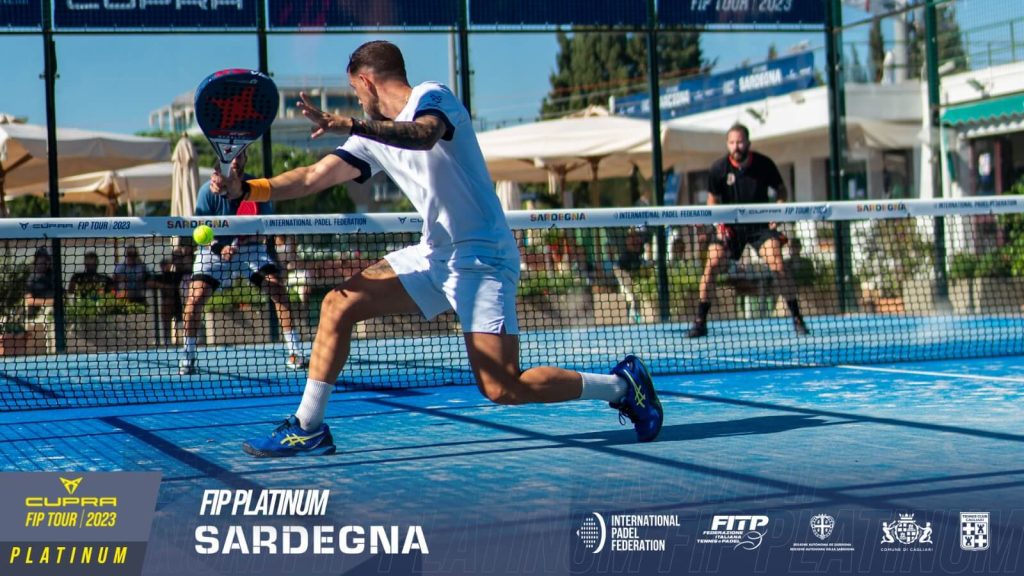
Paddle tennis, or padel, is a sport that has gained immense popularity globally due to its unique blend of technical intricacies and strategic gameplay. Among the core concepts that players must master is the understanding of the left and right side roles within a doubles team. In this lesson, we delve into the tactical nuances of "Playing the Left vs Right Side," especially for intermediate players eager to sharpen their skills. By comprehending the distinct functions and expectations of each position, players can develop a more cohesive partnership, resulting in improved performance on the court.
Right Side (Drive)
The right side of the court, often referred to as the ‘drive’ position, is primarily occupied by players who are characterized by their consistency and tactical prowess. Typically, this player finishes the point with a powerful and reliable forehand, which can be pivotal to the team's offensive strategy.
Key Characteristics of the Right Side Player
- Consistency: Right side players need to handle a greater volume of shots due to their position, making consistency paramount.
- Strong Backhand Return: They are often required to execute effective backhand shots, particularly during service returns and rally builds.
- The 'Engine': Acting as the engine of the team, right-side players sustain rallies, providing opportunities for offensive maneuvering.
- Defensive Skills: The ability to control the ball and return it to the opponents is necessary for maintaining the pressure.
Strategic Responsibilities
The right side player is typically responsible for:
- Handling more balls during rallies, which requires a higher endurance level.
- Being involved in shot placements in order to set up plays for the left side to finish.
- Making frequent adjustments based on the opponent's position to cover the court more effectively.
Examples from Professional Players
Professional padel players like Juan Lebrón exemplify the strategic acumen required on the right side. Lebrón's remarkable consistency combined with his precise backhand allows him to control rallies, making him an anchor for his team. Observing matches featuring such players provides invaluable lessons in tactical execution, shot selection, and court positioning.
Left Side (Revés)
Often dubbed the ‘revés’ position, the left side of the court is where the more aggressive player usually operates. This position plays a crucial role in maintaining a dynamic offensive front, utilizing powerful shots to finish points and intimidate opponents.
Key Characteristics of the Left Side Player
- Aggressiveness: Left side players are generally expected to take calculated risks that could change the course of a game.
- Powerful Forehand Volley: The ability to deliver aggressive volleys and overheads defines their role within the team.
- The 'Weapon': Serving as the offensive weapon, their shots often dictate the pace and flow of the match.
- Reacting Quickly: Left side players need to be agile and quick-thinking to capitalize on openings and exploit weaknesses in the opponent's defense.
Strategic Responsibilities
The left side player’s responsibilities include:
- Finishing points through sharp volleys and calculated overhead smashes, thereby putting pressure on the opposing team.
- Creating openings through aggressive offensive plays, allowing the right side player to take control as needed.
- Being strategically aware to anticipate where to position themselves to cut off passing shots from the opponents.
Examples from Professional Players
Star players such as Alejandra Salazar showcase the vital role of the left side in competitive padel. Salazar’s potent forehand and remarkable volleying skills make her an essential component of any team. Observing how she engages at the net and capitalizes on opportunities can enrich both beginners and intermediates alike in their gameplay understanding.
The Importance of Team Synergy
While the roles of the right and left side players are distinctly defined, it is essential to underscore that both positions are equally important. Effective teams are those that develop synergy, where each player's strengths complement the other's weaknesses.
Complementary Skill Sets
For a pair to excel, the skills and playing styles of both the right and left side players should complement each other:
- Communication: Continuous dialogue on court positioning, shot selection, and strategy is crucial.
- Fallback Strategy: The right side should always be prepared to fallback in case the left side is caught out of position, and vice versa.
- Adaptability: Both players should be versatile enough to switch roles if needed, as game dynamics change throughout a match.
Common Mistakes
Understanding the roles on the court is pivotal, but many players fall into common traps that hinder their performance:
- Lack of Communication: Failures in communicating can result in both players being out of position, leading to easy points for opponents.
- Overstepping Roles: When the right side becomes too aggressive or the left side plays too defensively, the team can lose their balance.
- Ignoring Court Coverage: Failing to anticipate areas of the court that require coverage can leave openings for opponents to exploit.
- Underestimating the Power of the Backhand: Right side players often neglect to develop their backhand shots, which are crucial for returning serves and volleying effectively.
Pro Tips
To further refine your understanding and execution of your respective roles, consider implementing the following pro tips:
- Practice Shot Placement: Use drills focusing on precise shot placement, emphasizing both deep shots and angles to outmaneuver opponents.
- Balance Aggression with Patience: As a left side player, wait for the optimal moment to attack, rather than being overly aggressive.
- Work on Movement: Both players should improve their movement across the court, ensuring they can switch positions quickly when necessary.
- Analyze Professional Matches: Study how professional partnerships like those of Miguel Lamperti and Fernando Belasteguin execute their tactics on both sides of the court.
Practice Drills
Engaging in structured practice drills can enhance your understanding and execution of your roles on the court. Here are specific drills designed to develop the skills needed for both the right and left side.
Drill #1: Right Side Ball Control Drill
Objective: Improve consistency and control on the right side.
- Setup: Two players position themselves at opposite corners of the court.
- Execution: the right side player practices 30 consecutive backhand returns against the wall, followed by 30 forehand shots.
- Time: Each session should last 10-15 minutes; take short breaks if necessary.
Drill #2: Left Side Aggression Drill
Objective: Enhance finishing ability and aggression on the left side.
- Setup: Set up one partner at the net (left side) and one at the baseline (right side).
- Execution: The right side player feeds the ball to the left side player; they practice volleying and finishing the ball in the corners. Aim for 50 repetitions.
- Time: Allocate 15 minutes to this drill, gradually increasing the pace.
Drill #3: Team Coordination Drill
Objective: Develop pairs’ synergy in communication and movement.
- Setup: Both players start at the net.
- Execution: The players engage in a series of volley exchanges, with the right side player communicating to direct the workflow as they continue to practice shot placement.
- Time: A total of 20 minutes can be spent on this drill, incorporating variations to keep the engagement alive.
Drill #4: Full-Court Simulation
Objective: Simulate match conditions and focus on court coverage and positioning.
- Setup: Play a series of short matches with a mix of both sides.
- Execution: Alternate between points focusing on either aggressive play from the left side or consistency from the right side, allowing for real-time adjustments based on gameplay.
- Repetitions: Aim for 10 points per game, switching sides after every match.
Summary
In conclusion, understanding the tactical dynamics of playing on the left versus right sides enhances not only individual skills but also fosters effective teamwork. By recognizing the unique roles of each position, players can develop complementary skill sets that elevate their overall game. Common mistakes, such as lack of communication and neglecting role responsibilities, can hinder performance unless actively addressed. Incorporating pro tips and focused practice drills will further solidify both players' capability on the court. Mastering the interplay between the drive and revés positions will undoubtedly lead to improved synergy and a more successful on-court partnership.
As you continue to develop your skills in padel, remember that the essence of the game lies in communication, practice, and a willingness to adapt. Whether you are a right-side player focused on consistency and control or a left-side player aiming for aggressive plays and finishes, each role carries equal weight on the path to mastering this exhilarating sport.
My Notes
No notes yet