
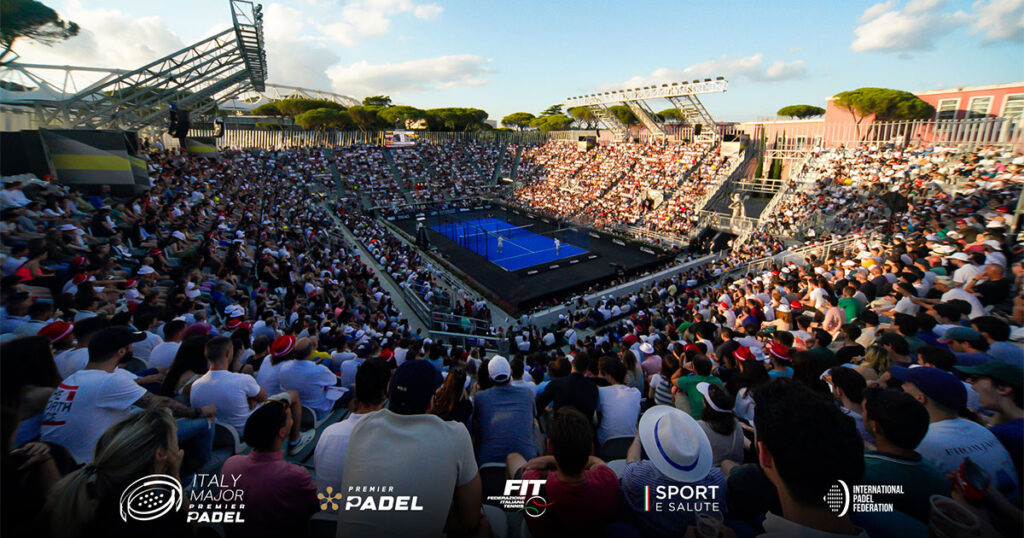
Sports Psychology in Padel
Summary
Mental preparation and psychological skills for better padel performance
1. Introduction to Sports Psychology
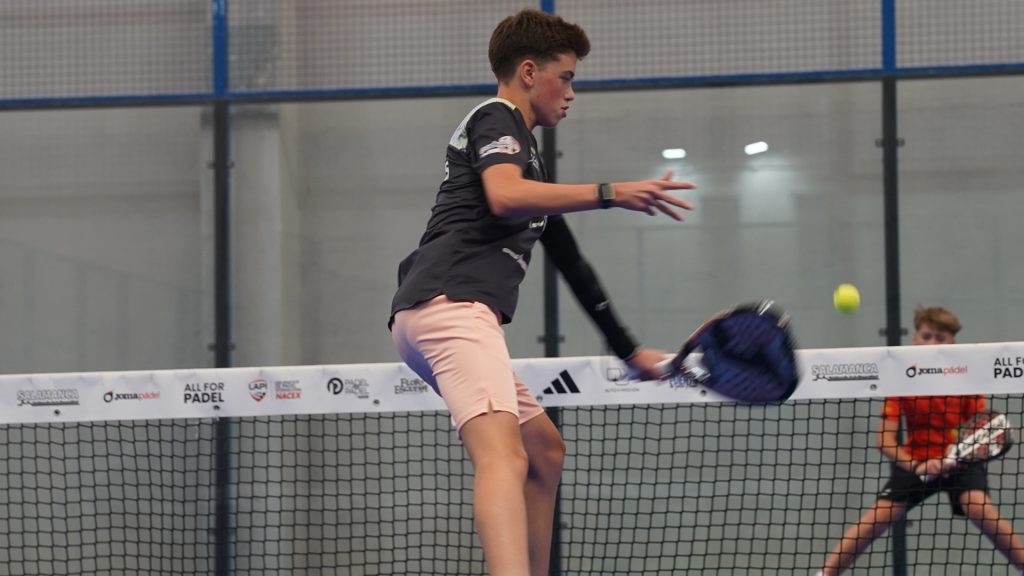
Mental training is just as important as physical and technical training in sports like padel. The interplay between mental fortitude and gameplay is particularly pronounced in this rapidly evolving racquet sport. Padel matches can be lengthy, and momentum can shift unexpectedly. In such environments, psychological strength becomes a critical differentiator between average performance and peak performance. The ability to effectively manage mental skills can lead to improved outcomes, consistency, and overall enjoyment of the game.
2. Key Psychological Qualities
a. Emotional Stability
Emotional stability is a cornerstone of effective sports psychology. Players who can control their emotions tend to perform better, especially under pressure. In padel, key elements of emotional stability include:
- Control Emotions Under Pressure: Whether it's a critical point in a tie-breaker or facing a highly skilled opponent, managing emotions allows players to maintain clarity in their thoughts and actions.
- Recover Quickly from Mistakes: A key aspect of emotional resilience is the ability to bounce back from errors. A great player quickly shifts focus away from a missed shot or an error.
- Stay Calm in Crucial Moments: Players like Juan Lebrón exemplify the importance of staying composed, particularly in high-stake situations, allowing for strategic decisions and effective gameplay.
- Manage Frustration: Learning techniques to handle dissatisfaction or frustration can improve a player’s mental state, keeping them focused on the game rather than personal errors.
b. Concentration
In the fast-paced environment of padel, concentration plays a vital role. Effective focus allows players to adhere to strategy and avoid unnecessary distractions. Elemental aspects of concentration include:
- Maintaining Focus: Successful players like Alejandra Salazar demonstrate how unwavering attention to the game can aid in shot selection and strategic execution.
- Blocking Distractions: Players should develop skills to filter out external factors, such as crowd noise and opponent antics, to concentrate solely on their game plan.
- Setting Short-Term Goals: Breaking the game down into smaller segments can enhance focus. For instance, concentrating on winning the next three points rather than the overall match.
- Visualization Techniques: Players can employ mental imagery strategies to visualize themselves succeeding in specific game situations, fostering stronger concentration.
c. Confidence
Confidence is another crucial psychological attribute. It is the belief in one's abilities to execute skills effectively. Confidence can wax and wane during a match, and maintaining it will carry players through challenges. Key factors include:
- Positive Self-Talk: Engaging in affirmative dialogue can reinforce a player's belief in their capabilities. For example, telling oneself "I can do this" prior to starting a crucial game helps establish a winning mindset.
- Preparation: Being fully prepared, both physically and mentally, will naturally boost a player’s confidence levels. This includes understanding strategies and knowing one’s strengths.
- Setting Realistic Expectations: Players should aim for achievable goals without overextending themselves, creating a sense of accomplishment.
- Building on Past Successes: Remembering prior victories and effective play can provide a mental boost, reassuring the player of their capabilities.
d. Motivation
Understanding and harnessing motivation is essential for sustained training and performance. Motivation can be intrinsic—driven by personal fulfillment and passion—or extrinsic, influenced by external rewards such as trophies and recognition. Effective strategies include:
- Identify Internal Drivers: Players should explore their motivations for playing padel, whether it's passion for the game, love for competition, or social interactions.
- Create Long-Term and Short-Term Goals: Establishing goals helps maintain focus and motivation, and allows players to track their improvement over time.
- Celebrate Progress: Recognizing milestones—such as improving a specific shot or winning a match—fuels motivation and reinforces positive behavior.
- Team Dynamics: Understanding one's role within a doubles team can also enhance motivation as players work towards common goals.
e. Managing Anxiety
Anxiety management is crucial for maintaining optimal performance levels during a match. Techniques to mitigate anxiety include:
- Breathing Exercises: Deep breathing is effective in reducing performance anxiety, helping players to remain calm and focused.
- Cognitive Restructuring: Reframing negative thoughts into positive affirmations can alleviate anxiety and improve performance.
- Progressive Muscle Relaxation: Systematically tensing and relaxing muscle groups can help reduce physical tension related to anxiety.
3. Common Mistakes
Even experienced players can fall into common mental traps that hinder performance. Recognizing and addressing these pitfalls is essential for improvement:
- Overthinking: Many players focus excessively on their mistakes or a poor performance, which can lead to anxiety and a decline in future performances.
- Disregarding Body Language: Non-verbal cues can communicate emotions like frustration or hopelessness. Athletes should be mindful of their body language to reflect confidence.
- Ignoring Mental Conditioning: Many players prioritize physical conditioning and ignore mental training practices that build resilience and focus.
- Inconsistent Routine: Having a pre-match routine can help players focus but failing to develop one can lead to inconsistency in performance and mental state.
- Neglecting Recovery: Failing to allocate time for both physical and mental recovery can lead to burnout and a decrease in performance.
4. Pro Tips
As you delve deeper into the psychological aspects of padel, here are several tips for optimizing mental performance:
- Develop a Pre-Match Routine: Establish a ritual that calms nerves and enhances focus. This can include meditation, deep breathing, or visualization of successful gameplay.
- Practice Mindfulness: Engaging in mindfulness allows players to remain present during matches. Simple breathing techniques can enhance concentration and build emotional control.
- Utilize Competitive Experiences: Competing regularly provides exposure to diverse match situations, allowing players to build emotional stability and confidence through real experiences.
- Learn from Losses: Navigating defeats constructively can lead to insights about improving skills and strategies, thus enhancing emotional resilience and confidence.
- Establish Support Systems: Cultivating relationships with coaches, partners, and fellow players can provide the moral support needed to thrive under competitive pressure.
5. Practice Drills
Developing effective mental skills needs practice, much like physical training. Here are structured drills designed to improve mental capabilities:
a. Emotional Control Drill
Duration: 20 minutes
- Step 1: Players face their partner in the service box. One player serves while the other focuses on relaxing breaths before receiving the serve.
- Step 2: After each rally, players will take a moment to express their feelings about their performance (both positive and negative).
- Step 3: The emphasis should be on quickly returning to the next point while practicing positive self-talk when errors occur.
- Repeat: Aim for three rounds of 5 minutes each, with a 1-minute break in between rounds.
b. Focus and Concentration Drill
Duration: 15 minutes
- Step 1: Set up targets on the padel court for players to aim at during rallies. Use cones or spot markers placed at various locations.
- Step 2: One player serves while aiming for one of the targets, while the other attempts to return the ball aimed at the nearest target.
- Step 3: After each successful rally, players will switch roles. This drill emphasizes maintaining focus on both the ball and target.
- Repeat: Conduct this drill for 10 iterations, switching roles after five serves.
c. Visualization Drill
Duration: 10 minutes
- Step 1: Sit in a quiet space or find a comfortable position on the court.
- Step 2: Spend a few minutes practicing deep breathing to enter a state of relaxation.
- Step 3: Visualize a successful match performance. Imagine landing shots precisely, covering the court effectively, and celebrating good plays.
- Step 4: End the session by performing physical stretches while recounting the successful moments you visualized.
d. Confidence Building Drill
Duration: 10 minutes
- Step 1: Pair up with a partner and play competitive points.
- Step 2: After each point, provide feedback to each other focusing on positive aspects of the play.
- Step 3: Set small challenges that focus on each player's strengths, ensuring each successful point boosts confidence.
- Repeat: Cycle through different skills, aiming to highlight and celebrate strengths for each area of gameplay.
e. Team Dynamics Drill
Duration: 15 minutes
- Step 1: Arrange players in teams and play doubles with different partners each set.
- Step 2: Encourage communication between players to strategize and support each other.
- Step 3: After each set, discuss the team dynamics and how cooperation took place, focusing on what worked well.
- Repeat: Continue for multiple sets, rotating partners to experience various team dynamics and improve collaborative skills.
6. Summary
In summary, sports psychology plays a pivotal role in the success of padel players. By understanding and developing key psychological qualities such as emotional stability, concentration, confidence, motivation, and managing anxiety, players can significantly elevate their performance on the court. Recognizing common mistakes and employing practical strategies can serve as powerful tools in cultivating a resilient and focused mindset. Incorporating structured practice drills not only aids in mental preparation but also enhances overall gameplay. Ultimately, just as physical skills develop through rigorous training, mental skills require ongoing commitment and practice for players to reach their full potential on the padel court. A holistic approach that includes mental conditioning is essential for success at all levels of padel play.
My Notes
No notes yet