
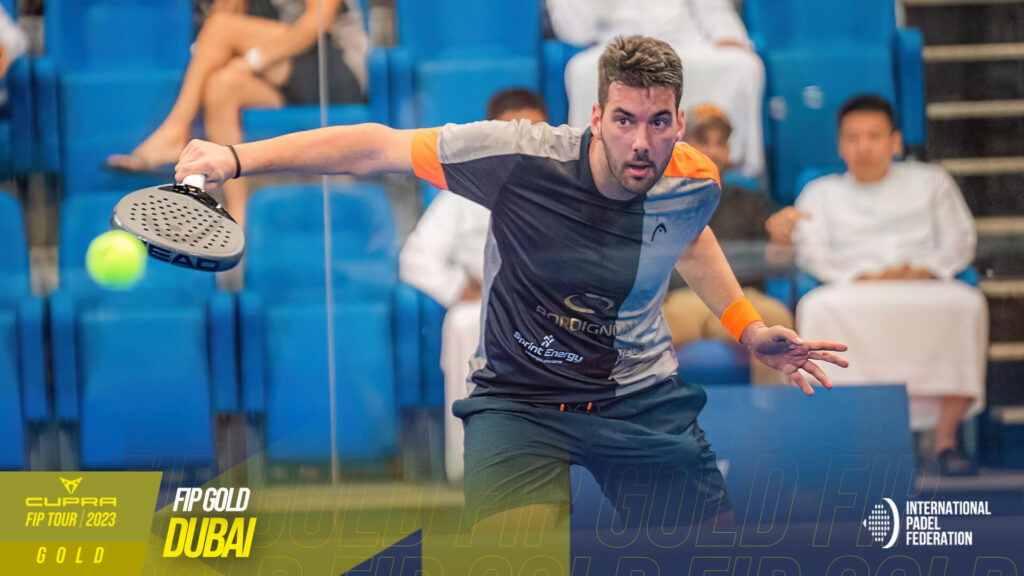
Understanding Court Positions
Summary
Learn where to position yourself on court for optimal play
Understanding Court Positions in Padel
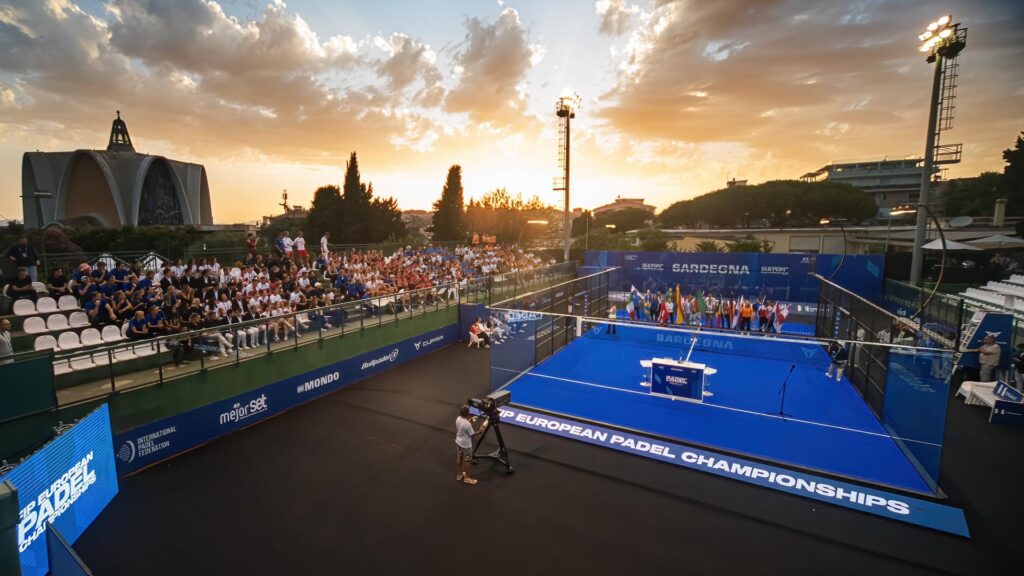
Welcome to the world of padel—a fast-paced and engaging racket sport that combines elements from tennis and squash. Understanding court positioning is crucial for success in this game, especially for beginners. Mastering where to stand will enhance your ability to win points, maintain an offensive strategy, and support your partner effectively. This comprehensive lesson will cover the two main zones of the court, guidelines for positioning at the net, strategic movement between zones, and practical drills to help reinforce these concepts. By the end, you will have a solid understanding of court positions to elevate your gameplay.
1. The Two Main Zones
In padel, the court can be effectively divided into two primary strategic zones: the Net Zone and the Back Zone. Understanding the characteristics and tactical significance of each zone will allow you to maximize your effectiveness during a match.
a. The Net Zone (Offensive)
- Positioning: The net zone extends from 0 to 2 meters in front of the net.
- Dominance: The player in this area is in a dominant position and typically has the opportunity to control points.
- Objective: Achieve your goal of staying at the net as much as possible, as this is where points are most frequently won.
- Characteristics: You should be ready to intercept balls, volley, and engage in quick exchanges that can put pressure on your opponents.
Being close to the net allows you to take control of the rally. Players like Juan Lebrón and Alejandra Salazar exemplify the importance of maintaining a strong net presence. They frequently position themselves close to the net, using quick reflexes and precise shots to win points.
b. The Back Zone (Defensive)
- Positioning: The back zone is situated behind the service line, stretching to the baseline of the court.
- Defensive Play: This zone is primarily used for defensive positioning and building points.
- Objective: Focus on working your way towards the net by constructing effective rallies and returning deep balls.
- Characteristics: Here, you should be preparing for your next shot, ideally working to gain a position at the net.
Players like Federico Chingotto, recognized for their strong defensive plays, often dominate this zone, converting defensive shots into offensive opportunities as they move towards the net.
2. Net Position Guidelines
While at the net, there are several positioning guidelines that can help you maximize your effectiveness as a player:
a. Stand 1.5-2 Meters from the Net
- The distance of 1.5-2 meters allows you to intercept volleys while maintaining ample space to move back if required.
- This positioning helps prevent being caught out of reach by fast incoming balls, facilitating quicker reaction times.
b. Maintain a Ready Position
While at the net, always be in a ready position. This includes:
- Feet shoulder-width apart, knees slightly bent, and weight on the balls of your feet.
- Racket held in front of you, at a comfortable height, allowing for quick defensive or offensive reactions.
"Positioning yourself correctly at the net can often be the difference between winning and losing a point. Always stay alert!"
c. Utilize Lateral Movement
As the game progresses, being able to move laterally is essential for covering the court effectively:
- Shift your weight from one foot to another, positioning yourself to intercept balls directed at your partner.
- Remain agile, and work on your lateral quickness to cover angles and pressure opponents effectively.
3. Transitioning Between Zones
Seamless transitions between the net zone and back zone are vital for effective gameplay. Here’s how to move between zones more efficiently:
a. Reading Your Opponent
- Be aware of your opponent's positioning and shot selection, as this will dictate your movement.
- If they are likely to play a deep ball, revert to your back zone quickly to prepare for a defensive return.
b. Communicate with Your Partner
Court dynamics change with two players:
- Use verbal cues to remind your partner of the intended movement, especially if both players are close to the net or too deep in the back zone.
- Clear communication fosters teamwork and allows for strategic planning, enhancing overall performance.
c. Weight Distribution and Movement
- When moving from the back zone towards the net, ensure you're not overcommitting and leaving your partner isolated.
- Balance your weight appropriately between your feet to maintain stability throughout your movements; never square your shoulders to the net unless you are preparing for a shot.
4. Anticipating Shots
A crucial element of successful court positioning involves anticipating where the ball will land:
- Constantly assess the shot type and position of your opponents while being mindful of the court layout.
- Reacting quickly and accurately to shots can enable you to make decisive movements and dictate the play.
High-level players like Paquito Navarro excel here, demonstrating how effective anticipation can set up their offensive plays and reactions.
Common Mistakes
While understanding court positioning in padel is vital, players often fall into common traps that hinder their performance. Here are several mistakes to avoid:
- Staying Too Close to the Net: Beginners might crowd the net too closely, making it difficult to react to lower shots that require time to recover.
- Neglecting the Back Zone: Avoid being overly eager to dominate the net; ensuring that you establish a solid foundation in the defensive zone is vital for control.
- Not Communicating with Your Partner: Misunderstandings lead to mismatched movements often allowing easy points for the opponents.
- Forgetting to Anticipate: Failing to recognize shot patterns and court positioning may result in missed opportunities and becomes a liability during a match.
- Neglecting Footwork: Poor footwork can drastically reduce the efficiency of your transitions between zones, which can affect shot quality.
Pro Tips
Here are some expert tips to help reinforce your understanding of court positions:
- Use Markers: In practice sessions, place markers on the court to help visualize optimal positioning, aiding in understanding spatial dynamics.
- Watch and Learn: Observe professional players closely to study their movements and positioning on the court; they often exhibit ideal footwork transitions.
- Practice Match Scenarios: Engage in drills that replicate match scenarios, as this will prepare you for realistic court play and dynamic positioning.
- Video Analysis: Record your matches and training sessions to evaluate your positioning and movement, which can reveal areas for improvement.
Practice Drills
Drills designed to reinforce the lesson on court positioning can enhance your tactical awareness and improve reaction times. Below are specific drills, inclusive of step counts and timing:
Drill 1: Net Positioning Drill
- Objective: Improve your lateral movement and volley reactions at the net.
- Setup: Have a partner positioned on the opposite side of the net.
- Steps:
- Start 1.5-2 meters from the net, ready position.
- Your partner will alternately hit balls to your left and right within the volley range.
- Move laterally to intercept each ball, focusing on volleying it back with controlled strikes.
- Duration: Perform this drill for 10 minutes, with 90-second intervals of volleys followed by 30 seconds of rest.
Drill 2: Back to Net Transition
- Objective: Enhance your skills transitioning from the back zone to the net zone.
- Setup: Stand at the back of the court while your partner is at the net.
- Steps:
- Have your partner feed deep balls to your back zone.
- From the back zone, hit the ball softly to your partner at the net.
- Immediately sprint towards the net while your partner returns the shot to you.
- Duration: Repeat this for 12 minutes using 2-minute intervals, alternating roles with your partner each session.
Drill 3: Anticipation and Positioning
- Objective: Develop skills for anticipating shots effectively while refining position adjustments.
- Setup: Play a continuous rally with your partner.
- Steps:
- Begin the rally, alternating shots with your partner.
- As you hit the ball, smoothly move from the back zone to the net after 3 shots.
- Focus on your partner’s position; anticipate where they will send the ball when in the net zone.
- Duration: Continue this exercise for 15 minutes, alternating the roles every 5 minutes.
Summary
Understanding court positions is fundamental to becoming a proficient padel player. The Net Zone and Back Zone each possess significant strategic advantages that can dictate the flow of a match. By maintaining proper positioning at the net, utilizing effective transitions between zones, and anticipating your opponent's shots, you will maximize your potential on the court.
Through practicing drills tailored to improve your awareness and movement between these zones, you’ll reinforce the strategic elements discussed in this lesson, setting yourself up for success in your future padel endeavors. Remember, dedication to mastering court positions will elevate both your individual performance and that of your partner, paving the way for competitive success!
My Notes
No notes yet