
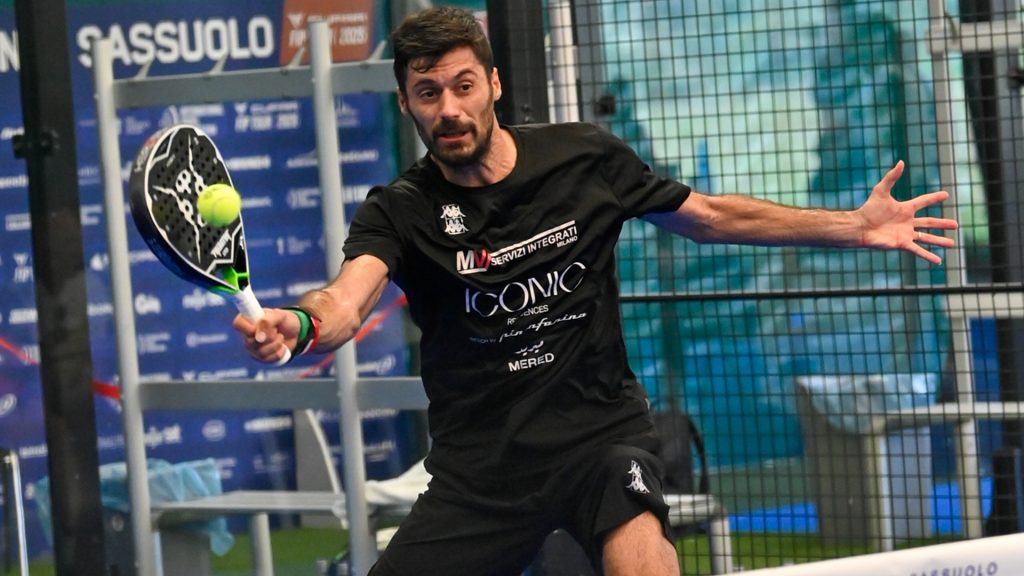
Basic Wall Play
Summary
Learn to use the walls - the unique feature that makes padel special
Introduction
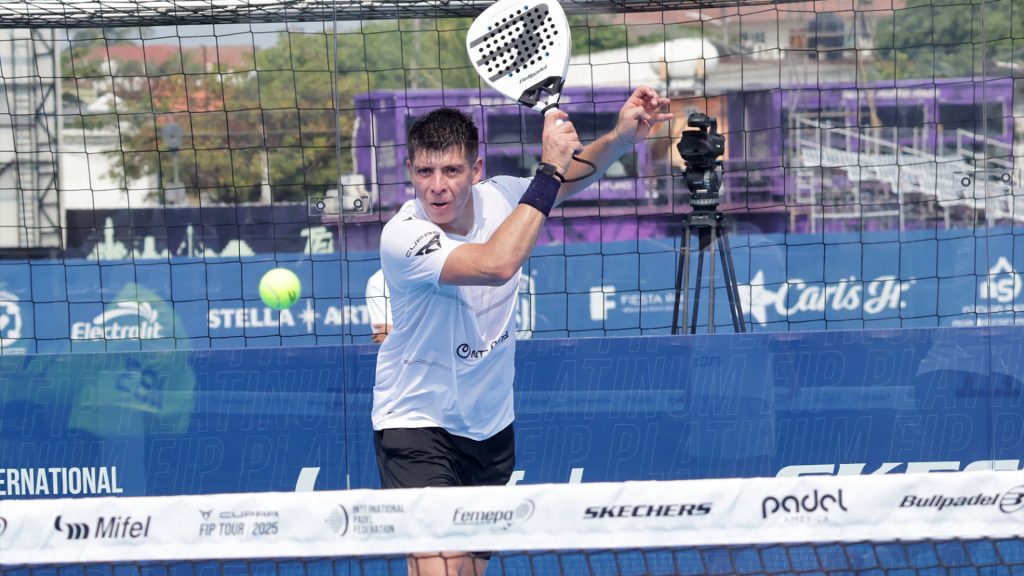
Welcome to the fascinating world of padel, a sport that seamlessly marries the best aspects of tennis and squash with a unique twist — the exhilarating use of walls. As a beginner, understanding how to use these walls effectively will elevate your game and set you apart from players still adjusting to the fundamentals. In this lesson, we will delve into the basic wall play that will familiarize you with the unique features of padel and teach you how to harness the walls as your greatest allies.
This comprehensive guide will outline key concepts related to wall use, common mistakes to avoid, and practical drills to help you become proficient at wall play. By mastering these techniques, you will enhance your overall tactical awareness, improve your shot selection, and learn how to maintain an advantage during gameplay.
Understanding the Walls
In padel, the walls are not mere obstructions; they are integral to the game and, when utilized correctly, can significantly impact your performance. The essence of using walls lies in understanding their types and how they function within gameplay.
Types of Walls
Familiarizing yourself with the types of walls on a padel court is crucial, as different walls present unique opportunities and challenges.
- Back Glass: The full glass wall at the back of the court creates a rebound effect that you can use to your advantage. This wall allows players to set up plays after the ball has bounced off it, providing a reset opportunity.
- Side Walls: The side walls, which may be constructed of glass or mesh, serve as boundaries that can either limit your playing area or create tactical plays. The unique texture of mesh side walls can affect ball behavior in a different manner than glass, making it essential to adapt your technique accordingly.
- Combined Usage: It's important to understand how the ball can interact with multiple walls. Effective wall play often involves coordinating hits that bounce off both side walls and the back wall, opening up various shot angles and strategies.
Back Wall Basics
The back wall, often the most utilized surface in padel, is your primary partner when shooting returns. Learning how to work with this wall effectively can take your game to the next level.
Let it Bounce
One of the first rules of wall play is patience. When the ball approaches the back wall, your instinct may be to rush your shot. However, rushing often leads to errors, particularly in positioning and timing.
Instead, allow the ball to bounce off the back glass before making your move. Use the time to judge the depth and angle of the shot the opponent has played. The bounce will help you assess where to position yourself for your return.
When you let it bounce, you ensure that you have more time to prepare your shot and capitalize on the pace that the ball has gained from its interaction with the wall.
Position Yourself
Proper positioning is critical when you let the ball rebound off the back wall. Here are some essential tips:
- Give Yourself Room: After the ball has bounced, take a few steps back. This step allows you to gauge the ball's direction better, creating more spacing for your swing.
- Center Yourself: Move toward the center of the court after hitting the ball against the wall. This positioning prepares you for potential returns, allowing you to maintain court control.
- Watch Your Feet: Your foot positioning will significantly impact your shot execution. Always stay on the balls of your feet to remain agile and ready for any subsequent ball play.
Wall Play Techniques
Now that you understand the basics of wall play, let’s examine some techniques that can help you harness the back wall effectively:
- Rebound Shot: This is executed by allowing the ball to bounce off the back wall right after its initial contact. Aim to angle the ball towards the opponent’s corners after the rebound. The goal is to create an unpredictable return that could catch your opponent off guard.
- Cross-Court Return: Use the back wall to bounce the ball toward either side of the court. Cross-court returns maximize the distance your opponent has to cover, increasing your chances of winning the point.
- High Lob Shot: When in doubt, employ a lobbing shot that utilizes the back wall's height. By sending the ball high off the wall and over your opponent’s head, you create opportunities to recover and regain court positioning.
Side Wall Strategies
While the back wall is a significant component of your gameplay, knowing how to manage the side walls effectively can further enhance your proficiency in wall play.
Using the Side Walls
The side walls, although often secondary to the back wall, can become a tactical resource during fast-paced rallies. Here’s how to leverage them:
- Quick Bounces: A ball that hits the side wall can create unpredictable angles and trajectories. Practice hitting shots that aim for the side wall, and ensure you’re ready for sudden changes in direction.
- Side Wall Lobs: Similar to high lobs off the back wall, side wall lobs can set you up for strong attacks. Use this technique to force your opponent to backpedal and create space for your next move.
Combine the Walls
When used together, the back and side walls can create complex plays and angles that challenge opponents. Here are a few aspects to remember:
- Two-Wall Shot: This technique involves hitting the ball so that it first contacts one of the side walls and then the back wall. This shot creates a sharp angle, making it difficult for opponents to return effectively.
- Split Defense: By hitting the ball between the side wall and back wall, you force your opponent into a defensive position. The objective is to create confusion and increase shot selection variety.
Common Mistakes
Even experienced players can fall victim to consistent pitfalls during wall play. Being aware of these mistakes can help you avoid them and improve your overall game.
- Rushing to Hit: As previously mentioned, frequently rushing your shots against the wall can lead to missed opportunities or errors. Always allow a solid bounce before striking.
- Poor Footwork: Incorrect foot positioning while deciding your shot can limit your options. Focus on your movement, stay light on your feet, and ensure you have the correct stance for effective swings.
- Overreliance on Power: Many beginners think that hitting hard is the only way to win points. Remember that precision and placement often outweigh power alone. Learn to strategize based on the situation instead of depending solely on force.
Pro Tips
To shine in wall play, consider integrating these expert tips into your practice sessions:
- Watch Professional Players: Observe top players like Juan Lebrón and Alejandra Salazar who masterfully use the walls in their techniques. Analyze their shot selection and positioning during matches.
- Practice Angle Adjustments: Always focus on making small adjustments to your angles when hitting off the walls. The path of the ball can change dramatically depending on your stance, so practice a variety of angles.
- Develop Anticipation: Learn to read your opponent's shots early. Getting a sense of where the ball will rebound can enhance your response time and allows you to set up your next move.
Practice Drills
Improving wall play requires specific drills that reinforce techniques and enhance your skill set. Here are some effective practice drills:
Drill 1: Wall Rebound Accuracy
Objective: Improve your accuracy when hitting off the back wall.
Description: Stand approximately 3-5 meters from the back wall. Hit the ball into the wall at an angle, aiming for a target area marked on the ground (using cones or markings) at the other end of the court.
- Repetitions: 10 shots
- Timing: 30 seconds rest between sets, complete 4 sets.
Drill 2: Side Wall Variations
Objective: Enhance your side wall shot variations.
Description: Position yourself near the side wall (2-3 meters away). Alternate hitting the ball against the first side wall into the back wall, focusing on angle variation. Include forehands and backhands in your practice.
- Repetitions: 10 forehands and 10 backhands
- Timing: 15 seconds rest between forehand and backhand sets, complete 4 complete cycles.
Drill 3: Mixed Wall Game
Objective: Integrate back and side wall shots in real match scenarios.
Description: Partner with a fellow player. Engage in rallies that require each of you to hit the ball to the back wall and then utilize the side wall. Limit your rallies to 5 hits and reset.
- Repetitions: Rally for 10 minutes.
Summary
Mastering wall play is essential for becoming a successful padel player. Knowing how to effectively use the back glass and side walls opens up a world of strategic possibilities, enhances your shot selection, and gives you the tactical edge needed to surpass your opponents.
Throughout this lesson, we covered the different types of walls, basic techniques for wall play, common pitfalls, and practical drills to enhance your skills. Remember, the key to improvement lies in consistent practice and analysis of your gameplay.
Your walls are your friends; learn to trust them, and you'll find your game becomes more dynamic and unpredictable. Embrace wall play, and you will undoubtedly elevate your padel game to exhilarating new heights!
My Notes
No notes yet