

Analyzing WPT Pro Matches
Summary
Learn from the World Padel Tour's best players
Analyzing WPT Pro Matches
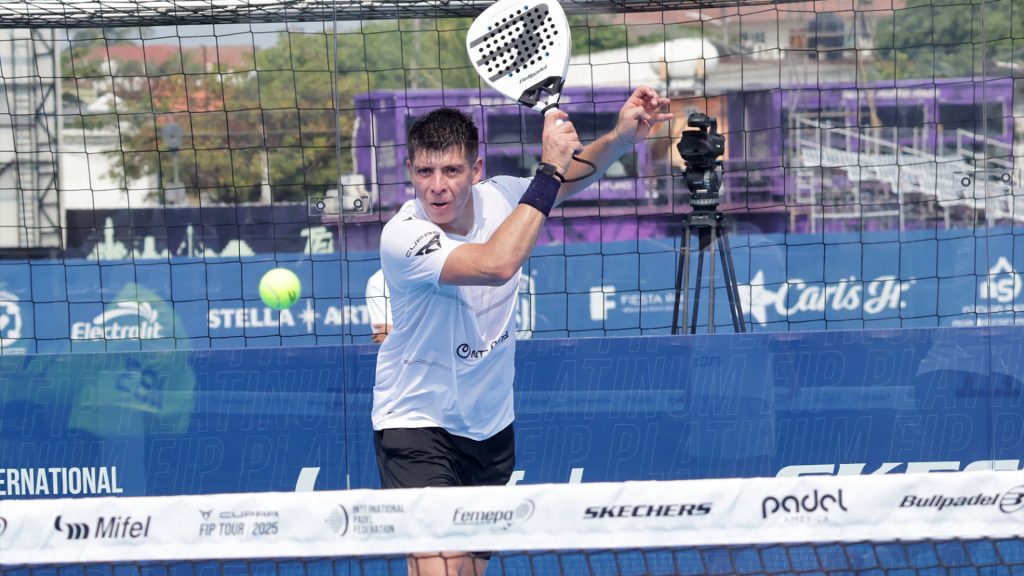
Understanding the game of padel at an advanced level requires more than just practical skills; it encompasses a strategic approach, analytical thinking, and the ability to learn from the best in the sport. One of the best ways to elevate your game is by studying professional matches from the World Padel Tour (WPT). In this lesson, we will take an in-depth look at key players you can focus on and how their unique styles can inspire you to enhance your own gameplay.
Players to Study
The WPT features some of the world's best players, each excelling in different areas of the game. By studying their techniques and strategies, you can gain insights into what makes a player successful. Here are the key players to focus on:
- Alejandro Tapia: Known for his exceptional reflexes, Tapia's ability to react swiftly to the opponent's shots makes him a formidable force on the court. Pay attention to how he anticipates the game and employs quick footwork to position himself for optimal shot execution.
- Arturo Coello: With a powerful hitting style, Coello is a master at commanding the game through raw power. Analyze his shot selection and how he utilizes power at strategic moments to overpower opponents.
- Juan Lebrón: As a left-handed player, his unique positioning on the left side of the court allows him to generate angles that right-handed players often find tricky. Observe how he maximizes his left-handedness in his positioning and shot differentiation.
- Fernando Belasteguín: Often referred to as a tactician, both Bela and his partner navigate match dynamics beautifully. Watch how they control the pace and momentum, forcing opponents into a defensive position.
- Franco Chingotto: As a defensive strategist, Chingotto excels at anticipating shots and being positioned to counter effectively. Study his retracing steps during rallies and how he diffuses offensive plays from rivals.
- Gemma Triay: Renowned for her overhead shots, Triay exemplifies precision and power in her smashes. Take note of how she creates opportunities to execute smash shots and controls the rally's direction.
- Paula Sánchez: Tactics play a huge role in Sánchez's gameplay. Watching her match strategy can teach you about how to read your opponents and adapt your approach during matches.
What to Watch
While observing these professional players during WPT matches, it is essential to focus on specific aspects of their gameplay. Here are some key elements to watch:
Point Construction
Point construction refers to the strategic buildup of shots that culminate in winning a rally. For example, most rallies at the professional level utilize a sequence of tactical shots that move the opponent around the court and open up angles. Watching how players set up their shots and create openings can teach you the concepts of patience and strategic aggression. Take notes on the different types of shot combinations and patterns that lead to winning points.
Positioning
Positioning is critical in padel as it dictates a player's ability to respond to shots efficiently. Pay attention to how the players position themselves not only in relation to the ball but also to their partners and opponents. A well-positioned player can effectively cover the court and adapt their movement according to the ball’s trajectory. Note their footwork patterns after each shot and how they prepare for the subsequent stroke.
Shot Selection Under Pressure
As matches progress, the pressure often increases, leading players to make split-second decisions about shot selection. Observe how professional players choose which shots to play during tense moments. Look for their decision-making process when faced with difficult shots and analyze how they transform pressure situations into opportunities. Consider the mental aspect of remaining composed amid adversity.
Movement Between Shots
Tracking the players’ movement between shots is crucial for understanding their overall game strategy. Professional players exhibit a combination of fluidity and precision in their footwork. Observe how they move to intercept shots and position themselves for follow-up plays. Pay attention to the mechanics of their footwork: the balance, the speed, and the efficiency of their movements as they transition from offense to defense and vice versa.
Common Mistakes
When analyzing professional matches, it’s also beneficial to recognize common mistakes that players make, both in matches and during practice. Here are a few frequent errors:
- Over-committing to Risks: Some players may try to hit overly aggressive shots at inappropriate times, leading to unforced errors. Recognizing when to play it safe is crucial.
- Poor Court Awareness: Failing to notice opponents’ positions can result in poor shot selection or vulnerability to counter shots. Always maintain an awareness of court layout.
- Inconsistent Footwork: Many recreational players neglect the importance of foot placement and balance. Ensure you’re studying how pros are always positioned effectively to execute their shots.
- Underestimating Opponents: Analyzing matches sometimes reveals that players may take unnecessary risks against weaker opponents. This can lead to unexpected losses, especially if an opponent capitalizes on any mistakes.
Pro Tips
To maximize your learning from WPT matches and improvements in your own gameplay, consider the following expert tips:
- Take Detailed Notes: Create a system for taking notes while watching matches. Write down specific rallies that stand out, noting the shots played, positions, and players' choices. This allows you to revisit these observations in practice.
- Focus on One Player at a Time: Rather than attempting to learn from all players at once, dedicate a week to each player. By honing in on their comprehensive techniques, you can absorb their strategies at a deeper level.
- Discuss Your Observations: Find prompts for discussions or form a study group with fellow players. Sharing insights and strategies helps solidify your understanding and highlights aspects you may have overlooked.
- Record Yourself: Mimic the techniques and strategies you witness. Record practice sessions applying these new skills, as reviewing your technique against professional standards helps in recognizing areas that need further improvement.
Practice Drills
After watching professional matches and gathering insights, it's time to translate those observations into practical applications. Here are specific drills based on the techniques of the players analyzed. Each drill includes clear instructions, repetitions, and timing to create an effective training session.
Drill #1: Reflex Recovery Drill (Inspired by Alejandro Tapia)
Objective: To enhance your reflexes and quick shot recovery.
- Partner A stands at the net, while Partner B is at the baseline.
- Partner A hits random balls to Partner B, who is positioned ready to strike.
- Partner B must react quickly, returning each ball strategically without premeditated locations.
- Perform this sequence for 10 minutes, with 1 minute of rest.
Drill #2: Power Placement Drill (Inspired by Arturo Coello)
Objective: To improve shot power and placement under pressure.
- Partner A (at the baseline) and Partner B (at the net) initiate the drill with Partner A sending the ball to Partner B.
- Partner B must hit a series of smashes or power shots directed toward specific targets or zones on the court.
- Each time, have Partner B hit towards different targets (approximately 5-7 times) and repeat for 15 minutes, alternating roles.
Drill #3: Tactical Shot Selection (Inspired by Paula Sánchez)
Objective: To evaluate shot selection based on different court scenarios.
- Set up court zones and assign targets to each player.
- Partner A will serve randomly, and Partner B must assess the situation and choose which type of shot to play (e.g., lob, volley, or smash) based on the type of return.
- After 5 minutes, switch roles and keep track to assess how effective selected shots are.
Drill #4: Defensive Positioning Drill (Inspired by Franco Chingotto)
Objective: To develop defensive maneuvering and anticipation skills.
- Create random shot sequences using one partner as the server.
- The server must aim for various areas on the court while the defender practices moving, returning, and positioning for possible counter shots.
- After 10 minutes, switch positions and repeat, monitoring defensive effectiveness against aggressive play.
After completing drills, suggest discussing each session's outcomes and evaluating how well you implemented tactics inspired by WPT players.
Summary
Studying professional padel matches is a potent tool in advancing your knowledge and skill set within the sport. By carefully analyzing top players like Tapia, Coello, and others, you can learn core concepts including point construction, tactical shot selections, and effective movement. Understanding common mistakes allows you to avoid pitfalls, while practical drills reinforce these lessons in real training sessions. With consistent practice, detailed observation, and an analytical mind, you may emulate the successful strategies of your favorite WPT players and take your game to the next level. Dedicate time each week to analyze matches, implement learnings into practice, and enjoy the ongoing journey of improvement in padel. By honing your skills through both study and practice, you can transform insights gleaned from the pros into winning strategies on the court.
My Notes
No notes yet