
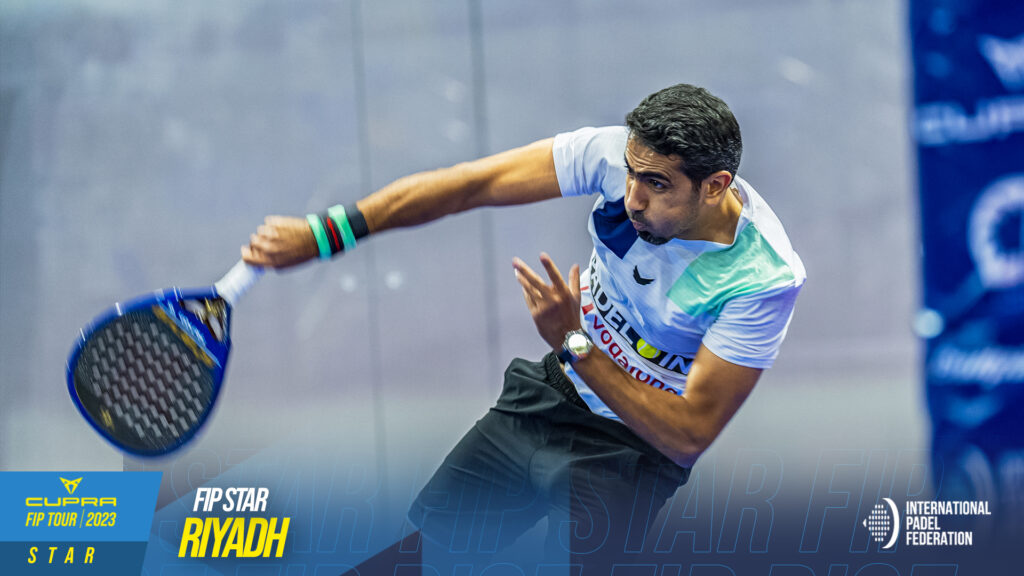
Tournament Strategy: Peaking at the Right Time
Summary
Physical and mental periodization for competition
Introduction
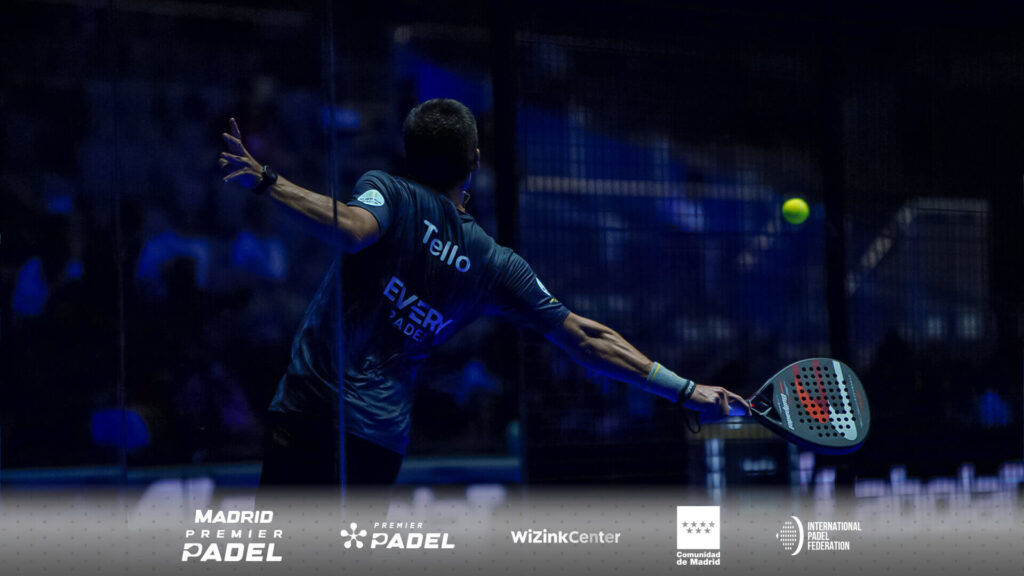
In the fast-paced world of competitive padel, understanding tournament strategy is crucial for achieving peak performance when it matters most. Tournament strategy encompasses both physical and mental preparation and requires systematic planning, discipline, and a keen awareness of one's own capabilities. The objective of this lesson is to equip advanced players with the tools needed to strategically prepare for competitions by optimizing their training schedules, enhancing mental fortitude, and ultimately ensuring they peak at the right time. This lesson is designed for players who are committed to elevating their game to the highest level, focusing on mastery of physical periodization, mental preparation, and strategic tournament selection.
Physical Periodization: Timing Your Training
Physical periodization is the systematic planning of training phases to enhance performance, allowing players to build their fitness progressively, peak effectively, and recover from competition stress. Successful periodization is crucial for minimizing fatigue and maximizing performance during key tournaments.
8 Weeks Before: Base Fitness Development
The first phase in your physical periodization is to establish a solid base fitness that will serve as the foundation for your specific padel training. This 8-week period focuses on building cardio endurance, strength, and flexibility. Here’s how to structure it:
- Cardiovascular Training: Aim for 3-4 sessions per week, including long-distance running (steady-state), HIIT sessions, and cycling to build endurance. For example, 30 minutes of steady running at a conversational pace 2-3 times a week.
- Strength Training: Incorporate bodyweight exercises (squats, push-ups, lunges) and resistance training using weights focusing on compound movements (deadlifts, bench presses, pull-ups). Train 2-3 times per week.
- Flexibility Work: Dedicate time for stretching and mobility work, such as yoga or dynamic stretching routines, 2-3 times a week to improve overall flexibility and prevent injuries.
4 Weeks Before: Padel-Specific Training
As the tournament approaches, your training should shift focus from general fitness to padel-specific skills. During these 4 weeks, enhance your gameplay through tactical practice and skill refinement.
- On-Court Drills: Engage in 3 on-court training sessions per week to work on specific strokes, volleys, and footwork that mimic competitive scenarios. Incorporate drills focusing on speed and agility, including side-to-side movement drills.
- Match Play: Increase match play frequency by participating in practice matches against players of various skill levels. Aim for at least 2 match-play sessions a week.
- Conditioning Drills: Include padel-specific conditioning that emphasizes fast starts and change of direction, such as sprint intervals with rest periods simulating match conditions (e.g., sprint for 20 meters, jog back, repeat for 30 minutes).
2 Weeks Before: Final Preparations and Volume Reduction
In the two weeks leading up to the tournament, the focus shifts to tapering down the training volume while maintaining intensity. This phase helps ensure peak performance by allowing your body to recover while retaining the fitness you have built.
- Reduce Session Duration: Cut training session lengths by 20-30%, but maintain the same intensity. For example, instead of a 1-hour session, target 40-45 minutes focused on high-intensity drills.
- Fine-Tune Skills: Focus on any lingering weaknesses. Incorporate targeted practice sessions that concentrate on specific areas such as serves, returns, and volleys.
- Strategize: Discuss match strategies with your coach regarding preferred opponents and conditions, ensuring you have laid a tactical foundation.
1 Week Before: Light Training and Recovery
One week prior to the tournament, it is paramount to keep training light and focused.
- Light Practice: Engage in only light hitting sessions with focus on touch and control. Sessions should be about 30-40 minutes and should not be physically taxing.
- Reflection: Review match strategies, visualize your playing scenarios, and rehearse mental routines to instill confidence.
Tournament Week: The Final Touches
A successful tournament week involves ensuring your body feels refreshed and your mind is sharp. It is critical to minimize physical exertion and focus on mental readiness during this week.
- Warm-Ups Only: Engage in short, physically comfortable warm-up routines before your matches to keep your muscles active.
- Nutrition: Maintain a healthy diet, focusing on balanced meals rich in carbs, lean proteins, and hydration to optimize energy levels.
Mental Preparation: Cultivating Competitive Mindset
While physical training is integral to tournament success, mental preparation plays an equally vital role in ensuring that players can harness their skills under pressure. A sound mental strategy can determine your success in high-stakes environments.
4 Weeks Before: Goal Setting
The mental aspect of tournament preparation begins with effective goal setting. Establish specific, measurable, achievable, relevant, and time-bound (SMART) goals that guide you into competition.
- Short-Term Goals: Set smaller, achievable goals for each training session, such as focusing on one particular stroke or strategy per week.
- Long-Term Goals: Establish performance goals specific to the tournament, such as aiming to win a certain number of matches or improve your ranking.
2 Weeks Before: Visualization Techniques
Visualizing success can help create a winning mindset. Develop a visualization routine where you see yourself successfully executing specific plays and winning matches.
- Daily Visualization: Dedicate at least 10 minutes each day for visualization. Envision yourself in various match scenarios, overcoming challenges, and executing strategies flawlessly.
- Use Imagery: Focus on both emotions and physical sensations experienced during successful performances, which reinforces neural pathways for success.
1 Week Before: Practice Routines
Consistency creates familiarity. Develop mental routines that will aid your performance under pressure.
- Routine Creation: Formulate a pre-match routine that includes your warm-up, mental visualization, and focus drills to ground you before play.
- Breathing Exercises: Incorporate mindfulness and breathing techniques to manage anxiety and maintain composure during matches.
Day Before: Light Hit and Sleep
The final touches of mental preparation and physical readiness occur the day before the tournament.
- Light Hitting: Engage in a casual practice session focusing on relaxation and rhythm, keeping physical exertion minimal.
- Nutrition and Sleep: Prioritize a nutritious dinner and ensure you get ample sleep to arrive feeling refreshed and alert.
Season Strategy: Tournament Selection
Players need to be strategic about their tournament participation in order to peak effectively. The idea of trying to perform at your absolute best every weekend is not sustainable or practical.
- Select ‘A’ Tournaments: Identify 3-4 key tournaments in your season that will serve as focal points for peak performance. These tournaments should align with your goals, skill level, and readiness.
- Spacing Tournaments: Allow sufficient time between major tournaments to recuperate and adjust training accordingly. This helps prevent burnout and injury.
- Pre-Tournament Events: Consider smaller competitions as preparation and scouting opportunities for more significant tournaments.
Common Mistakes in Tournament Preparation
Even advanced players can misstep in their preparation. Below are common pitfalls to avoid in your tournament strategy:
- Overtraining: Ignoring recovery and continuing intense training can lead to fatigue and potential injury.
- Inconsistent Goals: Not clearly defining tournament objectives can lead to a lack of focus.
- Poor Time Management: Failing to balance training, rest, and psychological readiness can diminish performance levels.
- Neglecting Mental Aspects: Focusing solely on physical training without addressing mental fortitude creates a gap in performance readiness.
Pro Tips for Optimal Performance
- Maintain Flexibility in Training: Be adaptive and willing to tweak your training plan based on how your body and mind feel as the tournament approaches.
- Utilize a Sports Psychologist: Consider engaging a mental coach who specializes in competitive sports to refine your mental strategy further.
- Stay in the Moment: During matches, focus on the present rather than dwelling on past mistakes or future outcomes. Playing point by point is critical.
- Reflect After Matches: Regardless of the result, take time to reflect on your performance, noting areas for improvement and successes.
Practice Drills for Tournament Preparation
Effective practice in the lead-up to tournaments is essential. Below are specific drills including repetitions, structures, and timing.
Conditioning and Footwork Drill (30 minutes)
- Objective: Enhance speed and footwork under pressure.
- Instructions: Set up cones in a zig-zag formation and sprint from one to the next.
- Execution:
- Sprint to the first cone (10 meters) - jog back.
- Sprint to the second cone (10 meters) - jog back.
- Complete 5 sets with a 60-second rest between sets.
Cross-Court Drill (30 minutes)
- Objective: Improve cross-court shot accuracy and create rally sustainability.
- Instructions: With a partner, rally cross-court aiming for precise targeting.
- Execution:
- Rally for 15 exchanges before switching to the opposite diagonal.
- Complete 5 cycles with varying stroke types (forehand, backhand).
Pressure Matches (1 hour)
- Objective: Build match readiness under competitive stress.
- Instructions: Play practice matches focusing on specific strategies and applying mental routines.
- Execution:
- Simulate a tournament match with a partner, incorporate pre-match routines.
- Play 1-2 sets, adjusting strategies based on scenarios faced during play.
Summary
Achieving peak performance at the right time in padel tournaments requires a careful blend of physical and mental preparation. By adhering to a well-structured periodization schedule, setting clear goals, practicing effective mental routines, and strategically selecting tournaments, players can optimize their readiness and train their minds to excel despite the pressures of competition. Remember to avoid common mistakes such as overtraining, ensure vigilance in practice consistency, and fine-tune readiness in the lead-up to competition. With attention to these elements, you will be equipped to step onto the court with confidence and deliver your best performance when it counts.
My Notes
No notes yet