
Defensive Positioning as a Team
Summary
How to defend together when opponents control the net
Defensive Positioning as a Team
Introduction
Paddel, a sport that blends elements of tennis and squash, demands not only high technical skills but also a keen understanding of tactics, especially when it comes to defending against opponents who control the net. For intermediate players, mastering defensive positioning as a team is crucial for overcoming aggressive competitors. This lesson will explore the importance of synchronized defensive formations, optimal shot selection under pressure, and strategies to maintain composure under duress. By employing these methods, players can convert defensive plays into effective counters and ultimately seize the match advantage.
Defensive Formation
Effective defensive positioning lays the groundwork for successful gameplay, particularly when opposing teams exert pressure from the net. Maintaining a solid defensive formation with your partner is essential in ensuring robust coverage of the court.
1. Both Back Formation
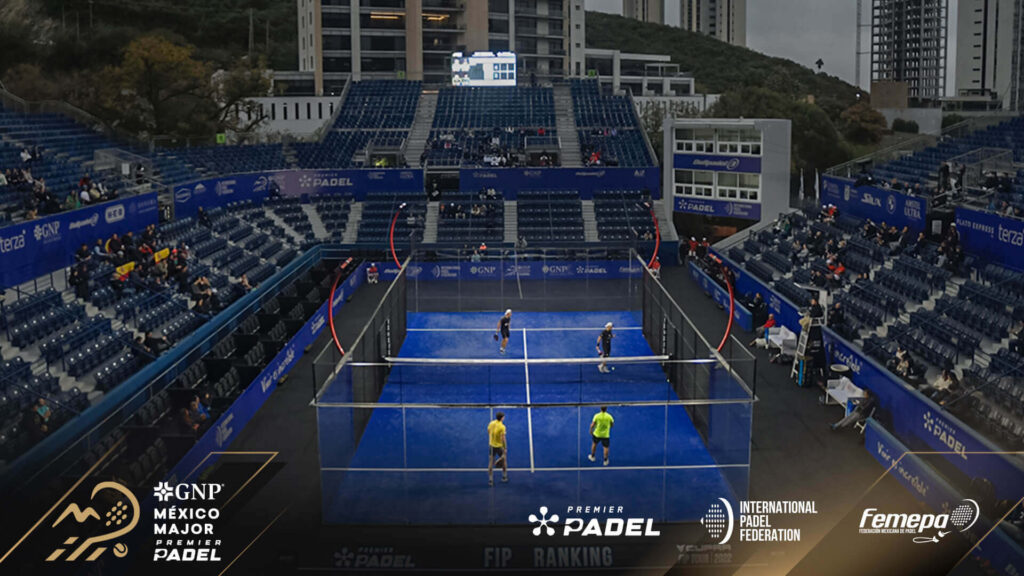
When the opposing team takes control of the net, the "both back" formation is often the most effective strategy. In this setup:
- Both players position themselves approximately 1 meter (3 feet) from the back wall.
- They should stand side by side, facing the net, creating a compact wall of defense.
- This positioning allows both players to cover the full width of the court while remaining ready to respond to incoming shots.
A key advantage of the both back formation is that it minimizes the chances of being caught out of position, making it easier to communicate and move as one unit. It is vital to maintain eye contact and verbal communication with your partner, calling out shots and deciding who will take the leading role in initiating a counter-attack.
2. Adjusting to Opponent Positioning
Understanding your opponents’ positioning is fundamental to effective defensive play. Pay attention to the following:
- If they are positioned close to the net, anticipate their volleys and prepare to respond with a deep lob or an angled shot, depending on the situation.
- If they spread out across the net, they may be vulnerable to a well-placed passing shot. Look for gaps and communicate with your partner about potential angles.
- Maintain flexibility in your formation, as you may need to adjust based on the trajectory of the ball and your opponents’ movement.
Shot Selection
Choosing the right shot during defensive play can make a significant difference in the outcome of rallies. When under pressure, players often default to panic shots, but strategic shot selection leads to higher success.
1. Lob (First Choice)
The lob is one of your primary tools in defensive play, effectively pushing your opponents back and reclaiming control of the court. Here's how to execute a proper lob:
- Identify the moment when your opponent is in a position to volley. Aim high and ensure that the ball clears both players.
- Use a smooth, upward swing with a high finish to impart loft on the ball.
- Target areas away from your opponents, ideally towards the corners to buy time for both players to reposition towards the net.
2. Chiquita (Low at Feet)
The chiquita is another technique known for its effectiveness against net-rushing opponents. This shot involves:
- Playing a low ball that bounces just in front of the net, ideally at your opponents’ feet.
- This shot is particularly effective if executed quickly while the opponent is in motion, making it difficult to react.
- Practice varying depths and angles to keep your opponents guessing.
3. Drive (Firm Between Them)
The drive is a riskier shot but can be effective when executed with precision. Keep in mind:
- Aiming the ball directly between your opponents can create confusion and dynamic shifts during the rally.
- Pace is critical; ensuring the ball travels quickly makes it more challenging for opponents to adjust.
- Always maintain a focused and aggressive mindset when executing this shot, since it can shift the momentum of the match.
4. Passing Shot (Risky but Rewarding)
This shot comes into play when both opposing players are at the net. Successfully executing a passing shot can lead to points, but it requires precision:
- Observe the position of both opponents before attempting.
- Prioritize accuracy over power; aim for angles rather than maximum speed.
- This shot can turn the tide in your favor, but it is important to practice and assess its viability based on match conditions.
PAdel MBA Rules: Key Strategies for Defensive Play
As with any sport, understanding the theories that underpin effective tactics is crucial for long-term growth and performance on the court. Here are some fundamental principles to follow:
1. PATIENCE is Key
Many players succumb to desperation when on defense, leading to hasty decisions and errors. Instead, embody patience and a steady mindset:
- Wait for your opponents to make mistakes; statistics indicate that 70% of amateur points are won from errors, not by hitting winners.
- Focus on maintaining a consistent rhythm and let the game come to you.
2. Utilize Wall Play
One of the unique features of padel is the use of the walls. This can be an incredible defensive advantage:
- When the ball comes towards the side wall, anticipate rebounds, allowing you to angle your shots from unexpected positions.
- Practice patterns of play that involve wall rebounds and returning shots for optimal usage during defensive phases of play.
3. Change Rhythm
Changing the game tempo can unsettle opponents. Modify your pace and style as follows:
- Mix up your shot types—pairing soft shots with swift drives can force your opponents into errant shots.
- Emphasize communication with your partner to toggle strategies and keep opponents guessing.
Common Mistakes
Understanding common mistakes players make while defending as a team can improve both your awareness and your game. Here are a few pitfalls to avoid:
- Standing too close to the back wall: This can severely limit your ability to react to high shots and increase the chance of being trapped.
- Poor communication: Failing to call out shots leads to confusion and may culminate in collisions or missed opportunities.
- Panic shots: Hasty shots often generate unforced errors and can squander opportunities to reset the rally.
- Neglecting shot variety: Relying too heavily on one type of shot can make your game predictable and easier to defend against.
Pro Tips
Incorporating the insights of professional players can provide additional depth to your understanding of defending as a team. Here are some pro tips:
- Observe top players like Juan Lebrón and Alejandra Salazar: Notice their defensive position adjustments and shot selections during competitive play.
- In practice, simulate high-pressure situations and focus on remaining calm under adversity, asking your partner to push you.
- Utilize drills focused on communication and movement—they are key in building teamwork and connection on the court.
Practice Drills
In this section, we present a series of drills specifically designed to enhance defensive teamwork skills. Each drill incorporates specific steps and timeframes for optimal efficiency.
Drill 1: Lob and Transition
Objective: To practice lobbing and moving back together as a unit.
- Player A and Player B start at the back of the court (1m from the wall).
- Player A hits a firm shot to one of the opponents at the net; as they do, Player B prepares to defend.
- Upon receiving a response, Player A makes a short lob over the fellow opposing player, targeting the back corner.
- This requires both players to sprint back to follow the ball and stay in unison as they anticipate the next shot.
- Repeat for 10 minutes, performing 5 repetitions each.
Drill 2: Chiquita Drill
Objective: To strengthen chiquita execution and partner awareness.
- Players A and B will position themselves in the back court.
- Player A will hit to Player B who stands at the vicinity of the net—each return requires a chiquita.
- Player B will call out the shot while transitioning to the net for quick volley preparation.
- Switch roles after 5 repetitions and perform for 10 minutes.
Drill 3: Defensive Relay
Objective: To combine defensive movement, shot variety, and teamwork.
- Set up cones about 3 meters apart on either side of the court to create a relay zone.
- Player A starts at the back wall; Player B starts at the net.
- Player A hits a defensive shot to either side and then they sprint to the cone while Player B anticipates the next shot.
- As Player A arrives at the cone, Player B should hit a response shot back and then they transition; switching positions after 10 minutes or after 5 rounds.
Summary
Defensive positioning as a team is a critical facet of padel that can make or break matches at the intermediate level. By applying the strategies discussed in this lesson, players can develop a more cohesive defense that not only mitigates their opponents' advantages but also plays into their own strengths. Remember that maintaining patient shot selection, effective formation, and consistent communication leads to better performance on the court. With persistent practice, you can become adept at transforming defensive moments into opportunities to take control of the game. The journey continues, but with diligent work, the rewards will surely follow. Now, get out there and start refining your teamwork and defensive skills!
My Notes
No notes yet