
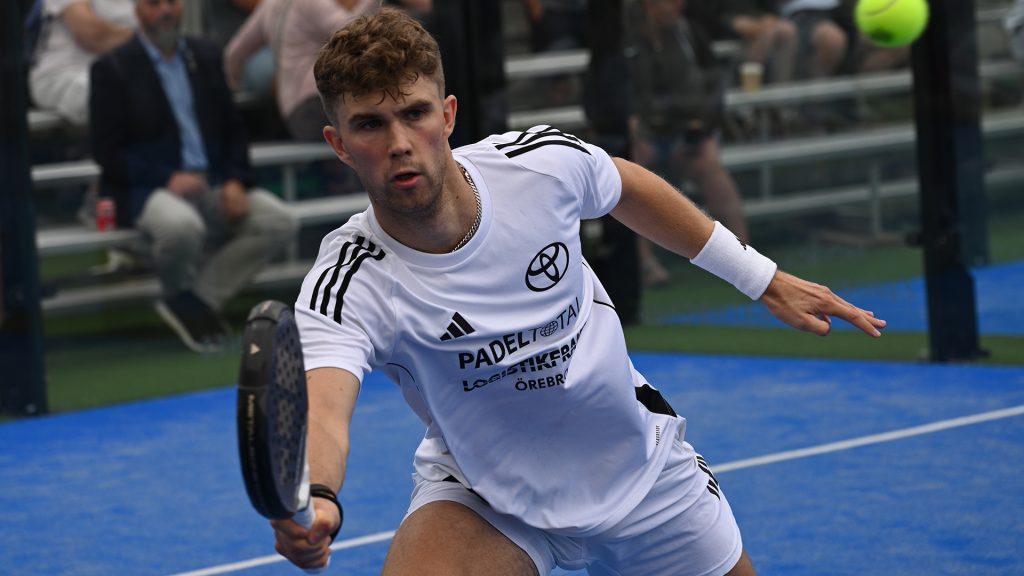
The Lob: Your Best Friend
Summary
Master the most important defensive shot in padel
The Lob: Your Best Friend in Padel
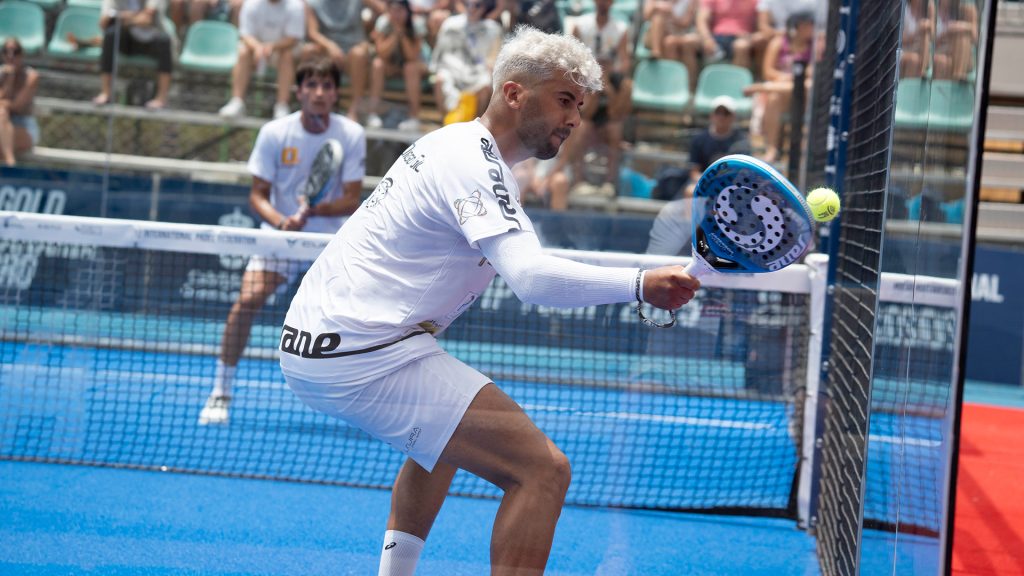
Welcome to another lesson in the art of padel, where we delve into one of the most crucial and effective shots you can master: the lob. The lob in padel is not just a shot but a strategic maneuver that can shift the momentum of the game in your favor. According to M3 Academy, the lob is fundamental to padel, and mastering this shot can significantly elevate your game. This lesson will guide you through the why, technique, types, common mistakes, pro tips, and some practical drills to perfect your lob skills. Let’s get started!
Why Lob?
The lob is often described as the defensive lifeline in padel. Here are some compelling reasons why you should incorporate lobs into your gameplay:
- Pushing Opponents Back: A well-executed lob can push your opponents away from the net, forcing them to reposition themselves and providing you with breathing room.
- Buying Time: The lob provides you with precious seconds to reorganize your position on the court and consider your next move.
- Forcing Difficult Overheads: By lobbing the ball high and deep, you compel your opponents to make challenging overhead shots, often leading to errors.
- Creating Net Opportunities: An effective lob can open up the court and create chances for you and your partner to move closer to the net, allowing for more aggressive plays.
- Changing the Rhythm: Using a lob to change the pace can disrupt your opponents' rhythm, giving you a strategic advantage.
Technique: Mastering the Lob
Proper technique is essential for executing a successful lob. Here are the key components to focus on:
1. Grip and Racket Position
To achieve an optimal lob, start with an appropriate grip. The most effective grip for a lob is the continental grip; this grip allows for both topspin and slice shots. Holding the racket with an open face creates a launching platform for the ball.
2. Soft Hands
As you prepare to execute the lob, it is crucial to maintain a relaxed grip on your racket. Tightening your grip can result in a loss of control and power. Soft hands allow for better touch, which is key for lifting the ball high over the net.
3. Aim High and Deep
When performing the lob, aim for a height of approximately 3-4 meters (10-13 feet) over the net. This height gives your opponents less opportunity to intercept the ball effectively. Furthermore, aim for the back corners of the court to maximize your chances of making the lob successful.
4. Follow Through
The follow-through mechanism is crucial for both accuracy and power. Ensure to complete your swing by extending your arm upward and forward after hitting the ball. A good follow-through not only helps add lift to your lob but also directs the trajectory of the ball towards your intended target.
5. Footwork and Balance
Excellent footwork and balance are crucial for lobs, as getting under the ball helps achieve the desired elevation. Position yourself quickly but securely, with your weight evenly distributed, to execute your lob with precision and stability.
Types of Lobs
Understanding the different types of lobs is essential for adapting your shot to various situations on the court. Each type serves a specific tactical purpose:
1. Defensive Lob
The defensive lob is characterized by its height and aims to regain control of the rally. To execute this shot, ensure that you:
- Take a step back to give yourself room to execute the lob.
- Open the racket face and swing with a relaxed grip to allow for the necessary lift.
When done correctly, this type of lob will buy you extra time while forcing your opponents away from the net, potentially leading to an unforced error.
2. Attacking Lob
The attacking lob is executed lower and with more speed, making it difficult for your opponents to respond. This lob is best used when opponents are positioned close to the net. Key elements include:
- Using a firmer grip to ensure control and speed.
- Aiming for a quick trajectory that targets a gap or an opponent's weak side.
By delivering a swift and low lob, you can catch your opponents off guard, placing them at a disadvantage.
3. Topspin Lob
The topspin lob is an advanced technique that adds extra height and ensures the ball accelerates off the wall, making it more unpredictable for your opponents. Execution involves:
- Utilizing a closed racket face to impart topspin on the ball.
- Focusing on the contact point to ensure that the ball rises off the ground with maximum height.
This type of lob can confuse opponents, as it not only bounces high but can also change the pace unexpectedly!
4. Slice Lob
The slice lob incorporates a side spin that makes the trajectory of the ball curve in the air, adding another layer of complexity to the opponents' return. To achieve this:
- Use a slightly open racket face at contact to impart the side spin.
- Focus on brushing the side of the ball while swinging through.
This strategy can be particularly effective against players standing near the sides of the court.
Common Mistakes
Even with proper technique and practice, beginners may still encounter mistakes that can undermine their lob effectiveness.
- Inconsistent Height: Failing to achieve the necessary height can lead to easy overhead returns from your opponents.
- Racket Face Angle: Not keeping the racket face open could result in hitting the ball flat instead of high, minimizing the shot's effectiveness.
- Tight Grip: A tight grip often leads to lost control and can produce wayward shots. Always focus on softening your grip!
- Wrong Targeting: Neglecting to target the corners means you're giving opponents the advantage, letting them play closer to the net.
- Over-hitting: Putting too much force behind the lob could see it sailing out of bounds. Consistency in power is key.
Pro Tips
Here are some useful pro tips to consider while practicing your lob:
- Read the Game: Observe your opponent’s position before executing the lob. If they are closer to the net, an attacking lob may be more appropriate.
- Vary Your Lobs: Mix between defensive, attacking, and topspin lobs during a match. This unpredictability will keep your opponents on their toes!
- Utilize Your Partner: Coordinate with your partner, guiding them to cover the net when you perform a lob to prepare for any returned overheads.
- Practice with a Purpose: Instead of blindly lobbing, set specific targets at various heights to work on accuracy and give yourself drills to complete.
- Watch the Pros: Analyze professional players like Alejandro Galán and Juan Lebrón, who are masters of the lob. Study their technique and emulate their strategies.
Practice Drills
Below are some effective drills to help you refine your lob technique. Ensure to practice these drills regularly for optimal results.
Drill 1: Target Practice
- Setup: Place cones or markers in the back corners of the court, approximately 1-2 meters from the baseline.
- Execution: Stand at the service line and aim to lob the ball over the net, trying to land it on or around the cones.
- Repetitions: Aim for 15 successful lobs to each corner before switching to another type (defensive, attacking, topspin).
- Timing: Spend about 10-15 minutes on this exercise to build muscle memory.
Drill 2: Lob and Recovery
- Setup: Pair up with a partner who stands at the net.
- Execution: Your partner attempts to volley the ball, while you aim to lob over them. After each attempt, both players quickly reposition.
- Repetitions: Complete 10 lobs at a time, alternating roles after every set.
- Timing: Dedicate 15 minutes to honing this drill, focusing on quick footwork and timing.
Drill 3: Create Space
- Setup: Begin at the back of the court with a focus on creating time and space.
- Execution: Play a rally with a partner, but specifically incorporate 5 lobs in each rally. The goal is to push your partner back and force them to hit overheads or play from a defensive position.
- Repetitions: Continue until you both hit a set number of 20 lobs, alternating turns.
- Timing: Spend 20-30 minutes on this collaborative drill.
Drill 4: Precision and Spin
- Setup: Use spot markers to indicate different areas of the court.
- Execution: Aim for each marker using various types of lobs (defensive, attacking, topspin, slice) to become versatile in selecting the appropriate lob.
- Repetitions: Complete three sets of 20 targeted lobs.
- Timing: Allot 20 minutes to improve accuracy and spin control.
Summary
Mastering the lob in padel can be a game-changer, offering you a powerful defensive tool to alter the dynamics on the court. By understanding the importance of this shot, honing your technique, recognizing the different types of lobs, avoiding common mistakes, following pro tips, and consistently practicing with purpose, you will experience substantial improvement in your padel game.
Remember that even professional players like Paquito Navarro and Alejandra Salazar frequently utilize the lob in challenging situations, confirming its undeniable value. So, dedicate time to mastering this vital shot, and let the lob become your best friend on the court. Happy lobbing!
My Notes
No notes yet