
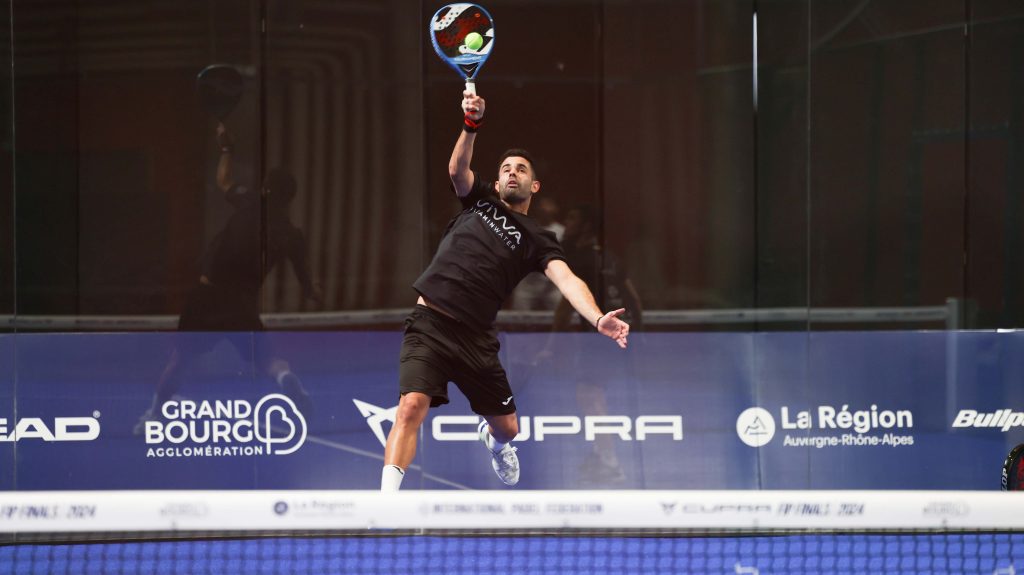
Understanding Game Styles
Summary
Identify and adapt to different playing styles
Understanding Game Styles in Padel
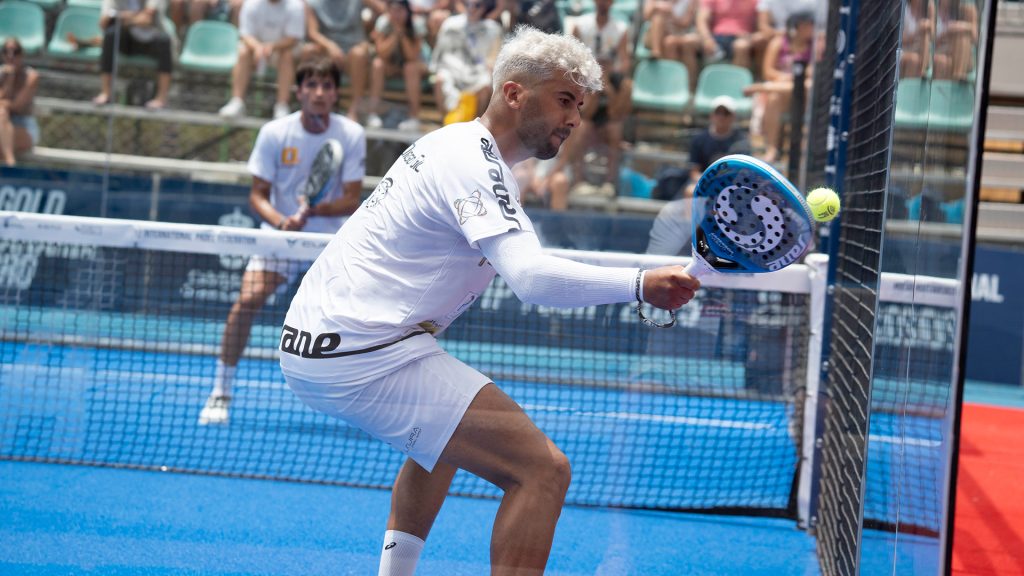
In the dynamic and increasingly popular sport of padel, understanding the diverse game styles is vital for players at any level, but particularly for those at the intermediate stage. Recognizing different playing styles not only builds your tactical awareness but also allows you to adapt and develop your strategies to gain a competitive edge on the court. This lesson is designed to provide a comprehensive overview of common game styles, how to identify and adapt to them, common mistakes plays make when countering different styles, pro tips to enhance your performance, and practice drills to solidify your understanding.
Common Styles of Play
The first step in mastering tactical awareness in padel is understanding the different styles often seen on the court. Here we break down five prevalent playing styles that you might encounter in your games.
Aggressive Net Players
Aggressive net players thrive on taking the initiative and maintaining a dominant position at the net. They typically rely on quick reflexes, powerful volleys, and strong overhead smashes to pressure their opponents. Their strategy is to cut off the court early, forcing opponents to hit shots at awkward angles.
- Strengths: Quick points, volleying stability, offensive control.
- Weaknesses: Vulnerability to high, loopy balls (lobs) and drop shots (chiquitas).
To effectively counter aggressive net players, consider the following:
- Lobs: Utilize height and depth to push them back from the net.
- Chiquitas: Demonstrate finesse by creating short, deceptive chips that merely skim the net.
Defensive Lobbers
Defensive lobbers play a patient game, focusing on retrieving every ball. Their key strategy is to keep rallies alive, making use of high lobs and deep shots to frustrate their opponents. This playing style sometimes lacks offensive firepower, but it can be incredibly effective in wearing down aggressive players.
- Strengths: Resilience, consistent ball placement, diverse angles.
- Weaknesses: Struggles with aggressive play when pressured, particularly on overhead strikes.
To adapt against defensive lobbers, consider:
- Patience: Focus on maintaining solid overheads and waiting for your chance to attack.
- Constructing Points: Create opportunities with deliberate shot selection and placement.
Power Players
Power players are known for hitting hard and fast shots. Utilizing their strength to dictate the pace of the game, they generally excel at serving and smashing, often overwhelming opponents during rallies. However, their reliance on power means they can become predictable.
- Strengths: High pressure, quick scores, aggressive tactics.
- Weaknesses: Vulnerability to strategic placement and slower-paced shots.
To counteract power players, your tactics may include:
- Using Their Pace Against Them: Play with angles and absorb their power to redirect the ball instead of trying to overpower them.
- Targeting Corners: Force them to move across the court, disrupting their rhythm.
Touch Players
Touch players rely heavily on finesse and control. They routinely employ dropshots, delicately measured volleys, and strategic placement to win points rather than brute strength. These players excel at reading the game and creating openings through their awareness.
- Strengths: Precision, adaptability, quick reflexes.
- Weaknesses: May struggle against players who disrupt their rhythm and positioning.
When facing touch players, it helps to:
- Stay Close to the Net: Limit their ability to play soft shots and increase your own reaction time.
- Anticipate Their Shots: Develop your ability to read the game and respond quickly to sudden changes.
All-Court Players
All-court players are versatile, with a broad skill set that allows them to adapt to various game situations. They blend elements of aggression and finesse to create a well-rounded game. These players can control aerial shots, volleys at the net, and baseline exchanges, making them formidable opponents.
- Strengths: Flexible strategies and excellent court coverage.
- Weaknesses: Occasionally lack a signature strength, making them susceptible to targeted play.
When competing against all-court players, aim to:
- Identify Weak Areas: Use strategic placement to attack their less dominant side, usually a less effective backhand.
- Exploit Patterns: Pay close attention to their play style and find consistent weaknesses in their game.
Adapting to Different Styles
Understanding various playing styles is only half the battle; successfully adapting to them during a match is crucial. Here are some practical strategies to observe and adjust your game:
- Initial Observation: Spend the first two to three games observing your opponent's tendencies and tendencies. Pay attention to every shot they take—this is instrumental in developing your game plan.
- Identify the Weaker Opponent: If playing against a pair, quickly assess who struggles more under pressure. Targeting the weaker player—especially if they have a weaker backhand—typically yields more comfortable points.
- Adapt Your Shot Selection: Based on your observations, modify your shot choices. For example, if you identify a player’s natural disposition towards aggressive net play, employ lobs and drop shots to maintain control.
- Short-term Tactical Adjustments: If specific strategies are less effective early in a match, do not hesitate to reevaluate your approach and implement a change mid-game.
Common Mistakes
Being aware of common mistakes can dramatically improve your performance as you adapt to your opponents' styles:
- Remaining Predictable: Continuously hitting the same type of shot can give your opponent a read on your game, making you easier to counter.
- Neglecting Adaptability: Sticking rigidly to your game plan without considering your opponent's style can lead to missed opportunities.
- Underestimating the Importance of Observation: Failing to observe your opponent’s strengths and weaknesses can result in poor shot selection and ineffective tactics.
- Ignoring Out-of-Position Shots: If you find yourself forced out of position, particularly against aggressive players, do not attempt to play the same shots as you would from a solid position.
Pro Tips
Here are some expert recommendations to enhance your understanding and adaptability:
- Study Professional Players: Watch matches of professionals with diverse playing styles (e.g., Paquito Navarro for aggressive net play, or Juan Lebrón for a blend of power and finesse) to see how they adapt during matches.
- Practice Shot Variation: Engage in practice matches where you solely focus on implementing different shots suitable for each style of play.
- Master the Return of Serve: Focus on how to return serves from different opponents, as this sets the tone for rallies.
- Engage in Tactical Discussions: Play with partners who can provide feedback and discuss strategies post-game to deepen your understanding of how styles impact the game.
Practice Drills
To practice and internalize your understanding of these strategies, consider the following drills tailored for improving your adaptability against different playing styles:
Drill 1: Opponent Observation
Objective: Enhance your ability to identify styles effectively.
- Participants: 4 players (2 pairs).
- Duration: 30 minutes.
- Instructions:
- Play a series of games where one pair practices their established playing style (e.g., one pair as aggressive net players). The opposing pair should try to identify their opponents’ weaknesses and adjust accordingly.
- Switch roles after 15 minutes.
Drill 2: Shot Variation
Objective: Develop a variety of shots against different styles.
- Participants: 2 players or 4 players for doubles.
- Duration: 40 minutes.
- Instructions:
- Set up a series of positions on the court for practice: net play, baseline, and mid-court. Players must call out the style they are adapting to (aggressive net player vs. defensive lobber, etc.) before playing a point.
- Ensure each rally lasts at least eight shots before concluding to emphasize rally construction against different styles.
- Rotate partners to experience varying styles.
Drill 3: Target Weaknesses
Objective: Practice targeting your opponent's weaknesses during matches.
- Participants: 2 players.
- Duration: 30 minutes.
- Instructions:
- Play a set where the focus is on deliberately targeting the chosen opponent’s weaker shot (e.g., backhand).
- Keep a score of points won with targeted shots to reinforce the tactic's effectiveness.
- Rotate who targets and who defends after each game.
Summary
Understanding and adapting to different game styles is a critical aspect of success in padel. By recognizing aggressive net players, defensive lobbers, power players, touch players, and all-court competitors, you can tailor your strategies, shots, and overall game approach. With observation and adaptability at the forefront of your tactical play, you’ll not only improve your individual performance but elevate your partnerships on the court as well.
Continue to practice variations in shot selection and manifestation against various playing styles, keeping an eye on improvement while reflecting on your performance. Use the drills outlined to internalize your understanding, and remember: the ability to adjust is what defines a proficient player in the exciting world of padel.
My Notes
No notes yet