
Introduction to Volleys
Summary
Learn the fundamental volley technique for net play dominance
Introduction to Volleys
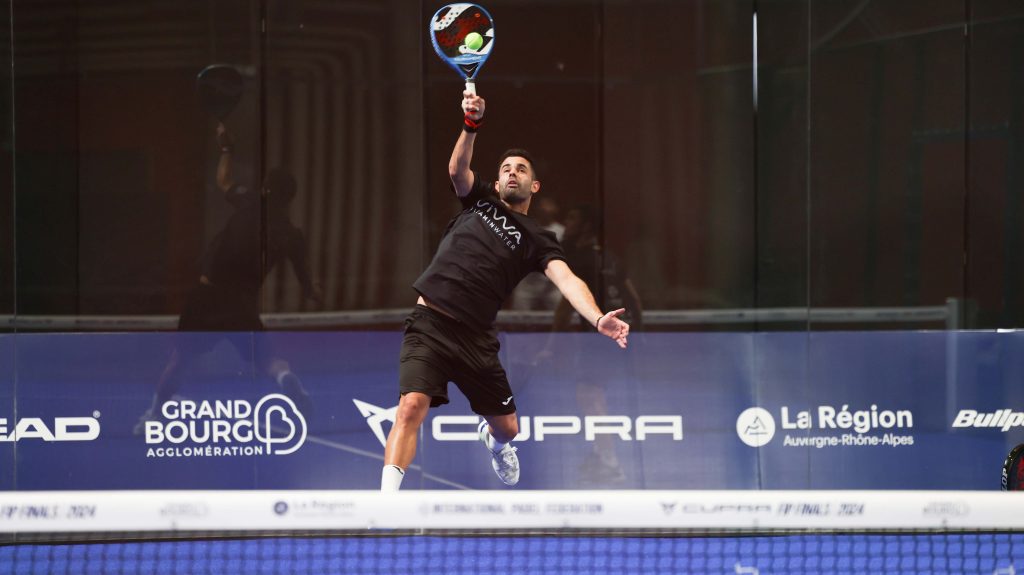
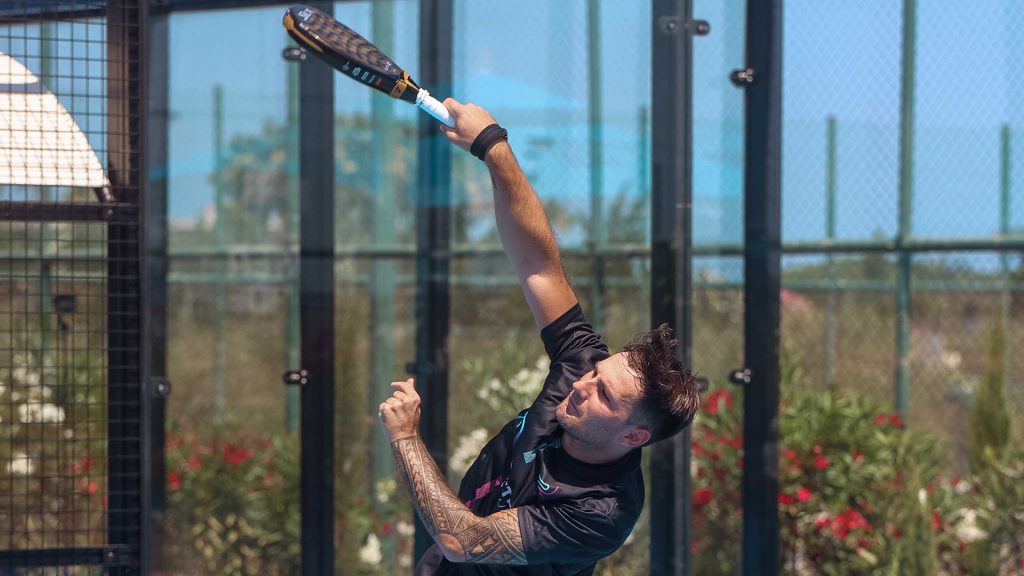
Paddle tennis, or padel, is a sport that combines elements of tennis and squash, played on a smaller enclosed court. The importance of mastering the volley technique cannot be overstated, especially for beginners striving to establish a solid foundation in their game. Volleys are particularly crucial in padel as they allow players to control the pace of the game, keep opponents on their toes, and create opportunities to win points swiftly. This lesson aims to introduce you to the fundamental volley techniques, equipping you with essential skills for net play dominance.
Why Volleys Matter
In the game of padel, the net position is a significant advantage. Mastering volleys can lead to enhanced performance and tactical advantages. Here are some compelling reasons why you should focus on improving your volley skills:
- Finish Points Quickly: A well-executed volley can effectively end a point, catching your opponent off guard and converting opportunities into wins.
- Control the Pace of Play: By effectively using volleys, you can dictate the game's rhythm, forcing the opposition to react to your shots rather than executing their strategy.
- Put Pressure on Opponents: Offensive volleys pressure your opponents, leading them to make errors or play defensively, thereby giving you greater chances to dominate the point.
- Create Winning Opportunities: Volleys open up the court, allowing you to target gaps and exploit mismatches between you and your opponents.
Forehand Volley Technique
The forehand volley is often regarded as one of the most effective shots in padel. It requires good positioning, timing, and anticipation of your opponent’s shot. Let's breakdown the technique into two major components: the ready position and execution.
Ready Position
The ready position is where every great volley starts. Follow these guidelines:
- Continental Grip: This grip is essential for versatile volleying. Hold the paddle like you would if you were shaking hands with it, allowing for quick movement and effective angle adjustments.
- Paddle Up in Front of Chest: Position the paddle near your chest, ready for immediate action. This keeps your paddlehead upright, facilitating effective contact with the ball.
- Elbows Away from Body: Maintain slightly bent arms, creating space for a full swing, and enhancing your reach to the ball.
- Knees Slightly Bent: A slight bend in your knees will help you stay balanced and agile, enabling quick movements in any direction.
- Weight on Balls of Feet: Transfer your weight onto the balls of your feet to prepare for fast lunges toward the ball.
Execution
Once you are in the ready position and the ball is approaching, it's time to execute the volley:
- Short Backswing: A successful volley requires a short, compact backswing. Bringing the paddle back too far may disrupt your timing and control.
- Contact Point: Aim to make contact with the ball in front of your body, around waist height, which provides optimum control and strength.
- Follow-Through: After striking the ball, follow through with a stable, controlled motion. The paddle should finish high, with your elbow extending and the paddle pointing towards your target.
- Body Movement: Ensure your body moves toward the ball during the hit. This will provide you with balance and power in your shot.
Backhand Volley Technique
The backhand volley can be tricky for many beginners, yet it is crucial for a well-rounded game. Proper technique will enhance your ability to respond to balls played to your non-dominant side.
Ready Position for Backhand Volley
- Continental Grip: Just as with the forehand volley, adopt the continental grip. This grip is particularly effective for both forehand and backhand volleys.
- Paddle Position: Keep the paddle at waist height, ensuring it remains steady and controlled as you prepare for the upcoming shot.
- Knees Bent and Side on: Position your body sideways to the net, allowing your non-dominant shoulder to face the incoming ball. Your knees should be bent to enhance stability.
Execution of Backhand Volley
- Short Backswing: Similar to the forehand volley, keep your backswing compact. Avoid over-rotating your shoulders to maintain control.
- Contact Point: Aim for a contact point in front of your body, maintaining a slightly open paddle face for better directional control.
- Follow-Through: Finish your swing with your paddle pointing towards your intended target and your body weight shifting forward, enhancing accuracy and power.
- Body Rotation: Allow your hips and shoulders to follow through into the shot, bringing your weight into the volley.
Common Mistakes
As a beginner learning volleys, it's common to fall into certain pitfalls. By recognizing these mistakes early, you can quickly correct them and improve your game. Here are some frequent errors to watch out for:
- Excessive Backswing: Taking a backswing that is too long can result in loss of timing and control. Focus on a short, compact stroke to improve consistency.
- Paddle Face Angle Misalignment: An incorrect paddle face angle will lead to mishits and inaccurate shots. Ensure the paddle face points towards your target upon contact.
- Not Using the Continental Grip: Many beginners might feel comfortable using an alternate grip for volleys. However, using the continental grip enhances versatility and mobility.
- Neglecting Footwork: Proper footwork is vital for getting into position. Failing to move your feet can lead to poor body balance and hasty, reactive shots.
- Rushing Shots: Impatience can often lead to errors. You should focus on timing and positioning before approaching the ball; hasty decisions lead to lost points.
Pro Tips
Incorporating advanced strategies into your volley technique will immediately improve your performance. Here are some pro tips to consider:
- Stay Low: Maintain a low center of gravity. Bending your knees can not only increase stability but also improve movement both forward and backward.
- Practice Anticipation: Watch your opponent's body language and paddle position, as these can offer insight into where the ball is likely to go. Be ready to react accordingly.
- Vary Your Volleys: Mix up your volleys—combine soft and powerful volleys to keep your opponent guessing. A well-placed drop volley can catch them off guard.
- Use Your Opponent's Pace: Take advantage of the speed of your opponent's shot. A well-timed volley can convert their power into your advantage, making contact at the peak of the ball's trajectory.
Practice Drills
To reinforce your volley techniques, consistent practice is essential. Below are some drills that target both forehand and backhand volleys, ensuring a balanced skill set.
Drill 1: Wall Volley Drill
This drill is excellent for practicing your volley technique and body positioning when hitting against a wall.
- Setup: Stand approximately 2-3 meters away from a solid wall.
- Repetitions: Perform 10 forehand volleys, followed by 10 backhand volleys. Repeat the cycle for 3 sets.
- Focus on: Using a short backswing, maintaining the proper grip, and following through while keeping your weight balanced.
Drill 2: Partner Volley Drill
This drill requires a partner, allowing for real-game scenarios.
- Setup: Position yourself at the net and have your partner stand at the baseline.
- Repetitions: Have your partner feed balls to either your forehand or backhand side. Aim for 15 volleys for each side, practicing control and placement.
- Focus on: Maintaining the ready position, proper footwork towards the ball, and an emphasis on follow-through.
Drill 3: Targeted Volleys
This drill helps develop accuracy and control when volleying.
- Setup: Place cones or markers on the court to represent target zones.
- Repetitions: From the net, attempt to hit these targets with either forehand or backhand volleys. Aim for 10 successful hits per target zone.
- Focus on: Precision and timing. Make sure to shift your weight and watch the contact point closely.
Summary
In conclusion, mastering the fundamental volley techniques is essential for establishing dominance at the net in padel. By understanding the critical components of both forehand and backhand volleys, you set yourself up for improved control, speed of play, and point-winning opportunities. Keep in mind the importance of a solid ready position, consistent execution, and the common mistakes to avoid. Practice these techniques and drills regularly, and watch your net play flourish. As you improve your volleyball skills, you'll gain greater confidence to take charge on the court, becoming a more formidable opponent in the exciting game of padel.
My Notes
No notes yet