

Player Evaluation and Assessment
Summary
Systematically assess player progress and provide meaningful feedback
Introduction
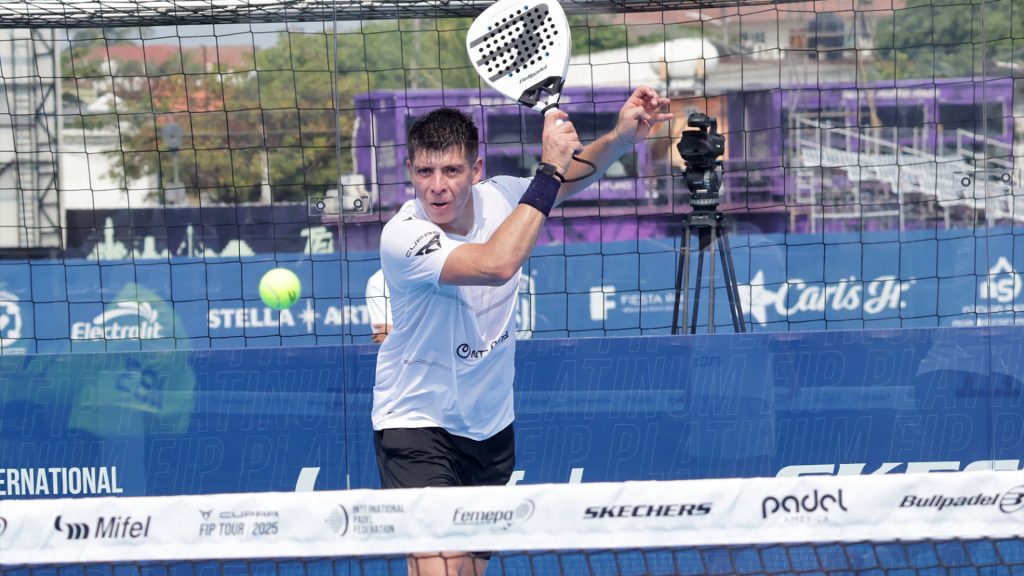
The game of padel, with its rising popularity, necessitates a structured approach to player evaluation and assessment. As coaches, it is vital to continually monitor the progress of players to tailor training and help them achieve their full potential. This article delves into the importance of evaluation, the key areas to focus on, and the methods that can be implemented to assess players systematically.
1. Why Evaluate?
Understanding the impetus behind evaluation is crucial for both players and coaches. Here are four significant reasons why player evaluation is essential:
- Track Player Progress: Continuous evaluation allows coaches to measure achievements over time, providing a record of success and development.
- Identify Areas for Improvement: Evaluating individual performance helps pinpoint specific weaknesses, whether in technical skills, tactical understanding, or physical conditioning.
- Adjust Teaching Methods: Coaches can adapt their instructional strategies based on assessment findings to align with a player's evolving needs.
- Provide Motivation: Regular feedback can motivate players by highlighting their progress and fostering a positive competitive environment.
2. What to Evaluate
A thorough evaluation encapsulates several key areas of a player's performance. The following aspects should be assessed to provide a comprehensive overview:
a. Technical: Stroke Quality
Technical proficiency forms the foundation of a successful padel player. Evaluating stroke quality involves looking at the following:
- Grip consistency and effectiveness
- Footwork and positioning before and after shots
- Shot selection under pressure
- Variety of strokes used: volleys, serves, groundstrokes, and lobs
For instance, observing elite players like Juan Lebrón, one can note their ability to execute a variety of shots with precision, critical for effective play in various match scenarios.
b. Tactical: Game Understanding
Tactical evaluation focuses on the player’s understanding of the game and their ability to outmaneuver opponents. Key points to assess include:
- Awareness of court positioning and movement
- Ability to anticipate and react to opponents' actions
- Decision-making under pressure
- Utilization of game strategies: attacking, defending, and counter-stealing.
For example, players like Alejandra Salazar demonstrate strategic court awareness and tactical decision-making, often anticipating their opponents' moves before they unfold.
c. Physical: Fitness Level
Physical conditioning is indispensable in padel, dictating a player's overall performance. Evaluating the fitness level encompasses:
- Endurance: ability to maintain high-intensity play
- Speed: quickness in footwork and recovery
- Agility: ability to change direction swiftly and efficiently
- Strength: both upper and lower body strength impacting stroke force and stability
Notably, professional players display a combination of these attributes, which allows them to sustain competitive performance throughout matches.
d. Attitude: Effort and Behavior
The psychological aspect of play cannot be overlooked. Evaluating a player's attitude involves:
- Work ethic during practice and matches
- Resilience and mental toughness during challenging moments
- Teamwork and interaction with partners
- Acceptance of feedback and willingness to improve
Professional players like Fernando Belasteguín show tremendous mental fortitude, always pushing through adversity, a key quality for an advanced padel player.
3. Evaluation Methods
Having established what to evaluate, we can now explore effective methods to conduct evaluations of players. Here are four robust evaluation methods:
a. Observation During Play
Direct observation is one of the most straightforward but effective methods. During practice sessions or matches, coaches should assess players in real-time. This includes:
- Analyzing stroke execution and consistency.
- Noting decision-making patterns under various pressures.
- Observing physical readiness: speed, positioning, and recovery.
Record observations on a scoring sheet to identify patterns and areas that need dedicated focus.
b. Specific Skill Tests
Implementing skill tests can provide quantitative data supporting player progress. Here are some skill tests that may be useful:
- Serve Accuracy Test: Set up targets in the service box and measure how many successful serves land within target zones. Aim for a set of 10 serves.
- Volley Reaction Drill: Partner or coach randomly feeds balls at the net to gauge quickness and accuracy. Keep a count of successful volleys per game.
- Rally Consistency Test: Rally with a partner for a predetermined number of shots (e.g., 20 shots). Track how many exchanges are successful without errors.
c. Game Situation Analysis
Understanding how players perform under real match conditions is critical. Analyze match play to observe the following:
- Point construction - how players develop their points.
- Response to pressure - decision-making during crucial points.
- Court coverage - ability to respond to opponents' shots and placement.
Consider filming matches for in-depth analysis post-game. Reviewing footage can yield insights missed during live observation.
d. Self-Assessment Tools
Encouraging players to self-assess can foster a sense of ownership and reflection on their performance. Develop tools such as:
- Journaling: Players can log their daily training sessions, feelings, and insights into their performance.
- Scoring Rubric: Create a scoring system for evaluating personal and technical skills (e.g., controlling nerves during matches, effective use of strategic shots).
- Checklists: Provide checklists for players to evaluate their readiness, attitudes, and physical conditions before matches.
4. Common Mistakes
In the journey of assessing players, certain pitfalls can hinder effective evaluation. Here are some common mistakes to avoid:
- Infrequent Assessments: Waiting too long between evaluations can lead to missed opportunities for timely player improvement.
- Overemphasis on Technical Skills: Solely focusing on stroke mechanics may neglect the critical tactical, physical, and psychological aspects of performance.
- Failure to Provide Constructive Feedback: Assessment without actionable feedback can lead to confusion rather than improvement.
- Neglecting to Involve Players: Excluding players from the evaluation process diminishes engagement and ownership of their development.
5. Pro Tips
To effectively evaluate players and encourage growth, consider these pro tips:
- Set Clear Goals: Work with players to establish clear, achievable goals that serve as benchmarks for evaluation.
- Encourage Peer Assessment: Encourage players to assess one another. This can provide fresh perspectives and enhance learning.
- Utilize Technology: Use video analysis and training apps to capture performance metrics and enhance feedback sessions.
- Regularly Review Progress: Make it a routine to revisiting evaluation results and adjusting goals accordingly.
6. Practice Drills
Implementing structured practice drills focuses on specific skills while allowing for continuous assessment. Here’s a mix of suitable drills, including recommended repetition amounts:
a. The Target Serve Drill
Aim: To improve serve accuracy.
- Set Up: Position cones or targets at various locations in the service box.
- Drill: Each player serves for 10 attempts per target.
- Focus: Follow through technique and target selection.
b. Reaction Volley Drill
Aim: To enhance volleying and reaction time.
- Set Up: One partner stands at the net while the other one on the baseline.
- Drill: The baseline player randomly hits balls to the net player. Aim for 5 volleys after each shot delivered.
- Time: 10 minutes of continuous play with rotation.
c. Game-Situation Rallies
Aim: To assess tactical awareness and shot selection.
- Set Up: Create different court scenarios (e.g., one player always playing aggressively, the other defensively).
- Drill: Play best of 3 points in each scenario, switching roles after each set.
- Focus: Use of strategic shot placements and tactical positioning.
d. Endurance & Agility Circuit
Aim: To improve both endurance and footwork.
- Set Up: Create a small court circuit including shuttle runs, lateral movements, and shot execution.
- Drill: Rotate between drills every 30 seconds for 15 minutes.
- Focus: Maintain heart rate, quickness in foot movement, and shot execution in bursts.
7. Engaging Players in the Evaluation Process
The engagement of players in their assessment process significantly impacts their development and motivation. Here are methods to enhance their involvement:
a. Goal-Setting Workshops
Conduct workshops that involve players in setting their personal development goals. This process encourages accountability and aligns their aspirations with evaluation criteria.
- Define short-term and long-term objectives.
- Encourage players to articulate personal strengths and weaknesses.
- Facilitate group discussions to share goal-setting strategies.
b. Interactive Feedback Sessions
Feedback is most effective when it is a two-way street. Implement regular sessions where players can discuss feedback candidly:
- Invite players to express their views on evaluations.
- Encourage them to ask questions and seek clarification.
- Use workshops to reflect on feedback impact and adapt training behaviors.
c. Implement Player Journals
Daily or weekly journaling fosters reflection and self-regulation. Encourage players to maintain personal journals:
- Document daily training reflections and match experiences.
- Record feelings, improvements, and perceived challenges.
- Review journals monthly with players to identify patterns and insights.
8. Additional Common Mistakes and How to Avoid Them
Avoiding common pitfalls requires a robust understanding of potential missteps in assessing player performance:
- Lack of Consistency: Ensure consistency in assessment protocols for reliability across evaluations. Create standardized checklist templates for uniformity.
- Ignoring Player Input: Failing to consider player insights can minimize their intrinsic motivation. Instead, incorporate player feedback into evaluation revisions.
- Overlooking Long-Term Development: Focus on a holistic approach to assess not just immediate skills but potential growth areas. Acknowledge gradual improvements that cultivate long-term gains.
Summary
Player evaluation and assessment are integral components of developing advanced padel players. By systematically assessing technical skills, tactical understanding, physical fitness, and player attitudes, coaches can provide meaningful feedback that fosters progress. Utilizing diverse evaluation methods coupled with targeted practice drills enhances player development and helps them reach their full potential. Remember, the goal is not just to identify weaknesses but also to celebrate progress while constantly setting new objectives. Embrace the process of evaluation, and you will witness improvement in your players both on and off the court.
My Notes
No notes yet