
Teaching Progressions and Methods
Summary
Master the methodological approaches for effective padel instruction
Teaching Progressions and Methods in Padel
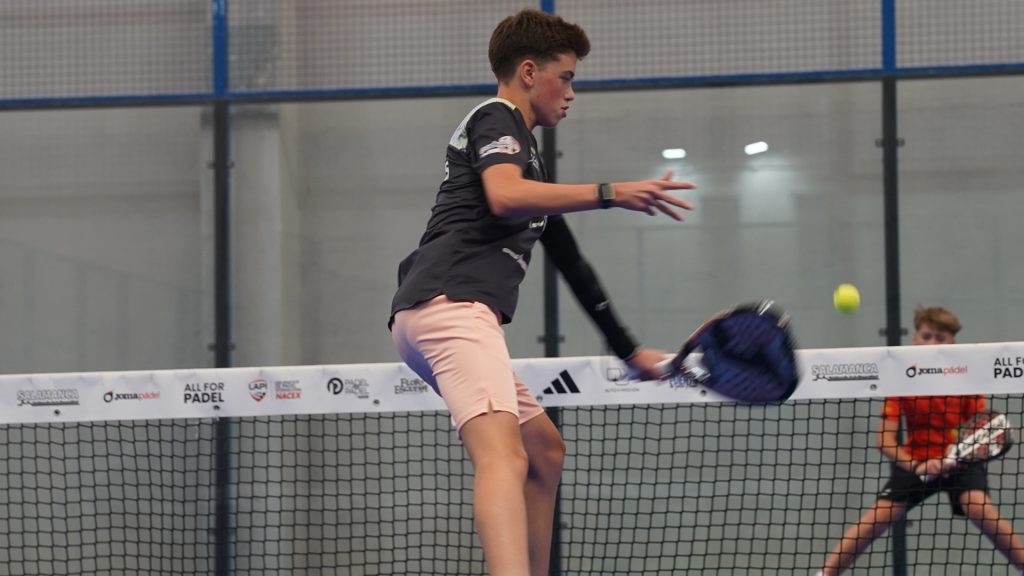
Padel, the rapidly growing racket sport, combines elements of tennis and squash, and is played in doubles on an enclosed court. Teaching padel effectively requires a sound understanding of instructional methodologies that enhance player skill development and engagement. As advanced players, coaches need to grasp not only the technical aspects of the game but also the art of teaching those techniques. This lesson will explore key teaching progression methods, common mistakes in instruction, actionable pro tips, and practical drills aimed at mastering the nuances of padel coaching.
1. Analytical vs Global Methods
Understanding the two fundamental teaching approaches—Analytical and Global Methods—will help coaches tailor their instruction to meet the needs of advanced players who are honing their skills. Each method offers distinct advantages and can cater to different learning styles.
a. Analytical Method
The Analytical Method involves breaking skills into smaller components and teaching those pieces separately. This method follows a systematic approach that allows for progressive building of techniques and serves as an effective means for technical correction.
- Skill Decomposition: Skills such as the forehand, backhand, and volley can be isolated for focused practice.
- Technique Correction: By concentrating on the components of a stroke, a coach can identify precise areas for improvement, such as footwork or grip.
- Progressive Building: Coaches can structure lessons that incrementally build upon skills, such as practicing a forehand in isolation before integrating it into match play.
Teaching Example – Analytical Method
Consider teaching the forehand. Begin by isolating the grip and stance, before progressing to the swing path and footwork. Here is a sample breakdown:
- Grip (5 minutes): Practice the eastern grip to promote proper racquet angle.
- Stance (5 minutes): Focus on the ready position and foot alignment.
- Backswing (5 minutes): Drill the take-back without hitting the ball to reinforce technique.
- Follow Through (5 minutes): Practice the follow-through motion in a mirror or window reflection.
- Integrate (10 minutes): Hit forehands on a wall or with a partner, focusing on applying the learned mechanics.
b. Global Method
The Global Method promotes learning through play and emphasizes the completion of tasks in context. This game-based approach immerses players in realistic scenarios, enhancing understanding and making lessons more engaging.
- Contextual Learning: Players develop skills in relation to their tactical application within a game setting.
- Complete Task Execution: By executing entire strokes, players learn to connect components naturally.
- Engagement: This method fosters enthusiasm as players see rapid results through game-like situations.
Teaching Example – Global Method
To teach the forehand using the Global Method, structure the drill in a game-like format:
- Warm-Up (5 minutes): Engage in informal rally exercises that allow players to practice forehands while moving.
- Targeted Game (10 minutes): Set up a small-sided game where players must hit forehands into designated areas on the court.
- Feedback (5 minutes): Provide immediate, specific feedback during gameplay about form, power, and placement.
- Full Drills (20 minutes): Set up point play scenarios, such as treating each point as a mini-match to encourage tactical usage of the forehand.
2. The Mixed Approach
A mixed approach, combining both analytical and global methods, can optimize learning outcomes. This starts with a global understanding to utilize players’ intuition, gradually incorporating analytical techniques for deeper skill refinement.
a. Initial Global Understanding
Begin by introducing the overarching objectives or scenarios involving the skill being taught. For instance, if you aim to teach the backhand, start with a game focusing on using the backhand in point play situations.
b. Utilizing Analytical Techniques
Once players grasp the fundamentals through gameplay, you can switch to an analytical approach to hone in on specific technical details. It could involve detailed drills focusing on grip, stance, and follow-through aspects of the backhand:
- Warm-Up (5 minutes): Perform dynamic stretches and light hits using only the backhand.
- Footwork Drill (5 minutes): Focus on foot positioning as players slide to the side to prepare for a backhand.
- Isolation (10 minutes): Perform repetitive backhand strokes targeting a specific spot in the court.
- Game Integration (10 minutes): In a point play scenario, instruct players to utilize the learned backhand technique in actual matches.
3. Adapting to Different Learning Styles
Understanding the different learning styles—visual, auditory, kinesthetic, and reading/writing—can further enhance your coaching effectiveness in padel. Here’s how you can adapt your teaching methods:
- Visual Learners: Use demonstrations, diagrams, and videos of professionals like Juan Lebrón or Alejandra Salazar to visualize techniques.
- Auditory Learners: Incorporate verbal cues and discussions on strategy and technique.
- Kinesthetic Learners: Allow hands-on practice through drills, giving immediate feedback during movement.
- Reading/Writing Learners: Suggest training journals where players can document their drills and reflections.
4. Progress Tracking and Feedback Mechanisms
Progress tracking is essential to ensuring students develop their skills effectively. Coaches should implement systematic feedback mechanisms:
- Session Reflections: After each session, encourage players to self-reflect on what they learned and areas still requiring improvement.
- Video Analysis: Use video for reviewing performance; this helps players visualize their technique and understand corrections needed. Review clips from players like Paquito Navarro for strategic insights.
- Progress Reports: Create structured reports noting individual player improvements, challenges faced, and skills learned.
Common Mistakes
Many coaches fall into common traps when instructing advanced players. Here are some mistakes to avoid:
- Neglecting Context: Focusing too much on isolated exercises without relating them to matchplay contexts.
- Overloading Information: Bombarding players with excessive technical details rather than clear, actionable insights.
- Lack of Adaptability: Failing to personalize instruction based on players' learning styles and needs can hinder development.
- Ignoring Mental Component: Not addressing psychological aspects such as confidence and focus, crucial for performance at advanced levels.
Pro Tips
To enhance your effectiveness as a padel coach, consider these pro tips:
- Set Clear Objectives: Define what you want each lesson to achieve and communicate this transparently with your players.
- Foster Peer Learning: Encourage players to work with one another, sharing tips and providing structured feedback.
- Interactive Sessions: Make lessons interactive by incorporating questions and interactive drills that promote discussion and participation.
- Use Game Simulations: Introduce match-like scenarios to help players apply techniques in competitive situations.
Practice Drills
Here are several structured drills tailored for advanced players, incorporating both analytical and global approaches:
Drill 1: Target Consistency
- Objective: Improve accuracy and consistency of strokes.
- Description: Set up different targets on the court (using cones). The player must hit each target using both forehand and backhand shots.
- Repetitions: 20 shots per target, switching sides after hitting all targets, total time: 15 minutes.
- Progression: Introduce a timer to create pressure; players must hit all targets within a specific time limit.
Drill 2: Serve & Volley Practice
- Objective: Enhance serve and volley combination skills.
- Description: Players practice serving to a specific area, immediately following up with a volley at the net.
- Repetitions: 10 serves followed by volleys, then switch roles, total time: 20 minutes.
- Feedback: Offer insights on body posture, foot positioning, and timing during follow-through.
Drill 3: Anticipation Games
- Objective: Improve anticipation and positioning related to opponent shots.
- Description: Players stand at opposite sides; one player randomly hits the ball over, and the other must predict the shot and position accordingly.
- Repetitions: 10 rounds each, switching roles constantly, total time: 15 minutes.
- Progression: Increase speed of hitting or decrease time to react.
Drill 4: Match Scenarios
- Objective: Apply various techniques in game-like scenarios.
- Description: Set up match situations (e.g., Deuce, Ad-in), and practice point play focusing on using strategic and tactical shots.
- Repetitions: 30 minutes of play, switch roles every 5 points.
Summary
Teaching padel effectively requires a thorough understanding of different instructional methodologies and the ability to adapt these techniques to cater to different learning styles. By balancing the Analytical and Global Methods, and employing a Mixed Approach, coaches can create progressive learning environments conducive to skill development and engagement.
Common mistakes should be avoided, and by incorporating pro tips and structured practice drills, coaches can significantly enhance their effectiveness. As advanced players evolve in skill and understanding, the role of the coach remains pivotal in guiding their progression, fostering confidence, and instilling a robust knowledge of the game. With a systematic approach and a focus on both technique and tactical execution, players can master the art of padel, echoing the standards set by professionals on the court.
My Notes
No notes yet