
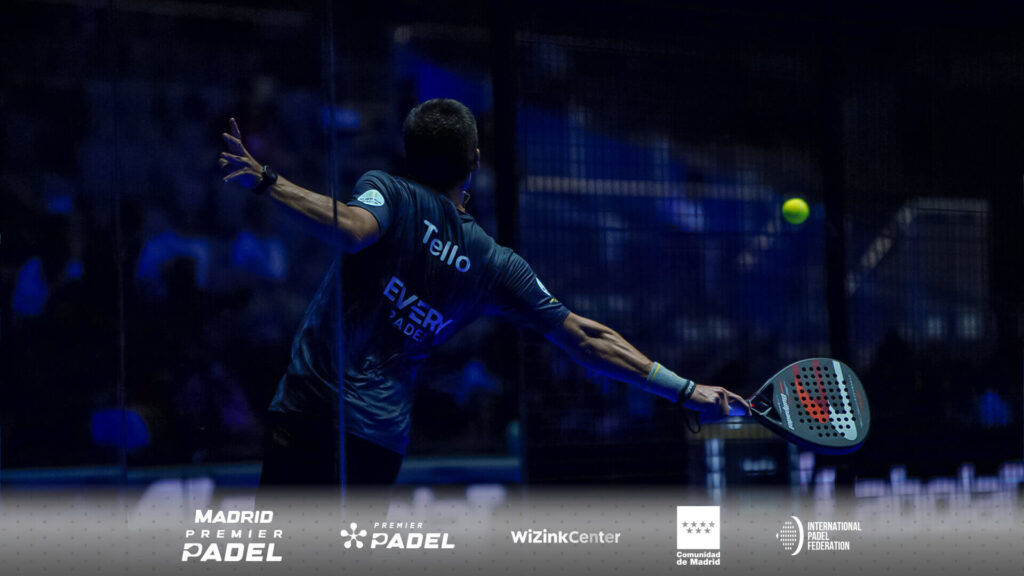
Mental Toughness in Matches
Summary
Psychological strategies for competitive padel
Mental Toughness in Matches: Psychological Strategies for Competitive Padel
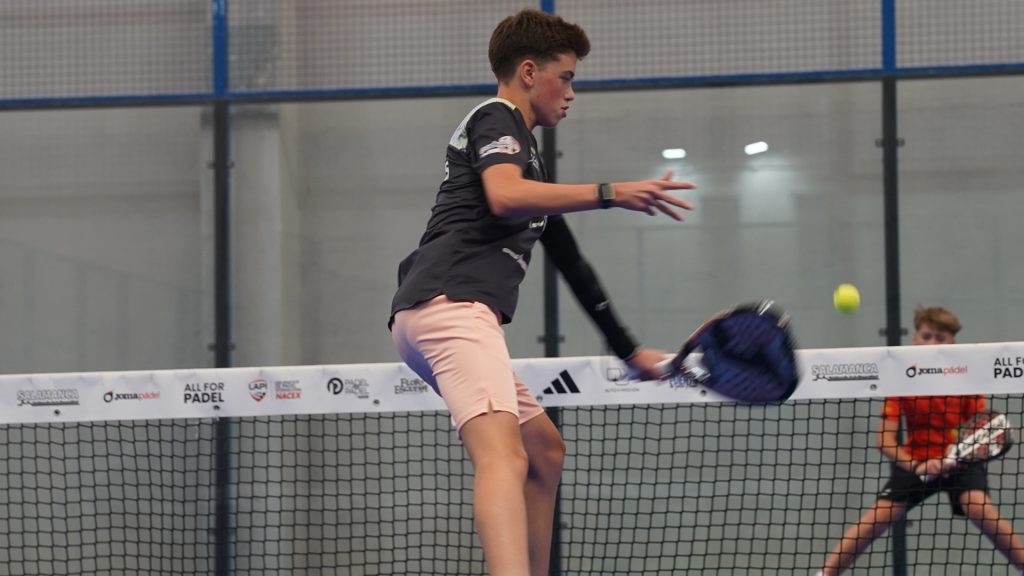
Mental toughness is a crucial aspect of competitive sports, and padel is no exception. While the technical and physical components of the game are vital, the psychological aspect often determines the outcome in competitive matches. In this lesson, we will explore strategies that promote mental toughness, enhance performance under pressure, and foster resilience. This comprehensive guide aims to equip intermediate-level players with the tools necessary to cultivate a robust mental game during matches.
Introduction to Mental Toughness
Mental toughness refers to an athlete's ability to maintain focus, confidence, and composure in high-pressure situations. In padel, as in many sports, matches can be swayed by emotional responses—missed shots, close calls, or aggressive opponents can create a rollercoaster of emotions. This lesson will explore the significance of mental toughness specifically in padel and provide practical strategies to develop it.
Players like Juan Lebrón and Alejandra Salazar exemplify mental toughness on the court. Their ability to remain composed and focused during critical moments allows them to execute their strategies effectively and prevail against formidable opponents. By adopting similar mental strategies, you too can enhance your performance and resilience in matches.
Key Concepts of Mental Toughness
1. Focus on the Process, Not the Score
One of the most common pitfalls for players in competitive scenarios is fixating on the score rather than the process of playing well. This temptation can lead to anxiety, frustration, and suboptimal performance. By concentrating on the processes that improve your game—such as footwork, shot selection, and positioning—you can maintain control over your performance.
- Stay Engaged: Focus on the immediate actions and strategies rather than the match score. Ask yourself: “What can I do right now to win the point?”
- Set Mini-Goals: Instead of looking at the outcome, establish mini-goals for each game or set, such as winning a specific number of points or executing a specific shot successfully.
- Visualize Success: Before the match, visualize yourself successfully executing plays and staying engaged in the game's rhythm.
2. One Point at a Time
Staying present during your match is essential for mental toughness. Focusing on one point at a time allows you to channel your energy into your immediate actions and prevent overwhelming yourself with the larger match context. This mindset can prevent negative thoughts related to missing previous points or worrying about future ones.
- Stay Present: Cultivating mindfulness helps you concentrate solely on the point you are playing. Techniques such as focusing on your breath can help ground you in the moment.
- Clear the Mind: After each point, practice a mental reset. Pro players often let go of each point immediately after it ends to prepare for the next.
- Use a Routine: Develop a consistent pre-point routine that gets you ready for each new point. This could include adjusting your position, taking a deep breath, or visualizing a successful shot.
3. Breathe Between Points
Breathing is one of the simplest yet most effective tools to regain focus and control emotions. It helps calm your mind and body, allowing you to recover quickly between points, especially after tense rallies or mistakes.
- Deep Breaths: After each point, take a moment to inhale deeply through your nose for a count of four, hold for a count of four, and exhale through your mouth for a count of six.
- Incorporate Breathing into Your Routine: Include controlled breathing as part of your pre-point routine to help maintain composure and clarity.
- Recognize Tension: Pay attention to your body. If you sense tension building, consciously engage in deep breathing to release it.
4. Positive Body Language
Your body language during a match can greatly influence both your mental state and your opponent's perception of you. Positive body language helps convey confidence, not just to your opponents but also to yourself.
- Stand Tall: Maintain an upright posture, which can enhance feelings of confidence and self-assurance.
- Smiles and Gestures: Use smiles, fist pumps, and nodding to reinforce positive interactions with your partner and to cultivate an encouraging atmosphere.
- Eye Contact: Ensure you make eye contact with your partner, demonstrating your commitment to support one another and creating a unified front against your opponents.
5. Support Your Partner
Padel is a team sport, and the support you offer your partner can significantly impact your collective performance. By fostering a sense of camaraderie and mutual encouragement, both players can feel stronger and more resilient.
- Encourage Communication: Regularly chat with your partner between points. Discuss strategies, and give each other feedback to create a positive atmosphere.
- Offer Reinforcement: Celebrate each other’s successes, no matter how small. A simple acknowledgment of a well-played shot can uplift your partner’s spirits.
- Watch Out for Signs: Be attentive to your partner's emotions. Offer support if you notice them becoming frustrated or disheartened.
The 3-Second Rule
Understanding emotional regulation is essential in developing mental toughness. The "3-Second Rule" is a practical tool that encourages players to process any emotional reaction immediately after each point.
"Experience teaches us that the most successful athletes are those who can quickly reset and focus on the next challenge." – Unknown Coach
- React Within Three Seconds: After each point, allow yourself a moment to feel the emotion naturally—be it frustration, joy, or disappointment.
- Reset Your Mindset: After three seconds, consciously reset your focus. Shift your attention to the next point with a fresh mindset.
- Practice Self-Talk: Use affirming self-talk during this process. Acknowledge how you feel and tell yourself you’re ready for the next point, regardless of what just happened.
Common Mistakes in Mental Toughness
While aspiring to develop mental toughness, players often fall into common mistakes that can undermine their efforts. Recognizing these tendencies can help you avoid detrimental thought patterns and behaviors:
- Over-analyzing Mistakes: Dwelling excessively on mistakes leads to increased anxiety. Focus instead on learning and moving forward.
- Neglecting Physical Needs: Mental and physical fatigue can compromise mental resilience. Ensure you’re well-hydrated, rested, and fueled for competitive matches.
- Negative Self-Talk: Allowing negative thoughts to dominate your mind can erode confidence. Train yourself to replace negative statements with positive affirmations.
- Ignoring the Partner Dynamic: Failing to support your partner or withdrawing into yourself can kill team morale. Always maintain open lines of communication and encouragement.
Pro Tips for Enhancing Mental Toughness
As you embark on the journey of enhancing your mental toughness, applying the following professional tips can help solidify your approach:
- Visualization Techniques: Spend time imagining yourself succeeding in critical match situations. This mental rehearsal can prepare you to act with confidence when such moments arise in reality.
- Focus on Enjoyment: Remind yourself of your love for the sport. Enjoying the game can often act as a pressure release, enabling you to perform better.
- Establish a Pre-Match Routine: Create a mental and physical warm-up that sets you up for success. Routines can provide comfort and familiarity, helping ease pre-match anxiety.
- Reflect Post-Match: Analyze your performance, both technically and mentally, after each match. Keep a journal to note what worked and what needs improvement.
Practice Drills for Mental Toughness
Implementing specific drills in your training can help solidify the mental toughness strategies discussed earlier. Below are practical exercises designed to enhance your focus, emotional regulation, and resilience:
1. The Breath-Focus Drill (Duration: 10 minutes)
- Setup: With a partner, play a series of points focusing on breath control.
- Execution: After every point in the game, pause for 10 seconds. Each player breathes deeply in silence, focusing on calming their mind.
- Repetitions: Conduct this drill for 10 to 12 points, ensuring that both players adhere to the breath-focus aspect.
2. The One Point at a Time Drill (Duration: 15 minutes)
- Setup: In pairs, engage in a match to 11 points.
- Execution: Prior to each serve, declare “One point” to mentally reset. Players focus solely on winning that point without referencing the score during the rally.
- Repetitions: Execute this drill twice, ensuring both players cycle through serving and receiving.
3. Post-Match Reflection Drill (Duration: 10 minutes)
- Setup: After a practice match or serious game, find a quiet space with your partner.
- Execution: Allocate time for both players to individually reflect, then share insights on their mental states—what helped, what hindered, and emotional experiences during the match.
- Repetitions: Engage in this reflection after every competitive match for continuous improvement.
Summary
Mental toughness is a key component of success in competitive padel. By focusing on the process instead of the score, maintaining a one-point-at-a-time mindset, utilizing breathing techniques, exhibiting positive body language, and supporting your partner, you can develop greater resilience and composure on the court. The 3-second rule serves as an effective strategy to emotionally regulate after points, allowing players to harness their focus during matches.
Through understanding common mistakes and applying professional tips, you can cultivate a powerful mental game that complements your physical skills. Structured practice drills also play an essential role in enhancing mental toughness, enabling you and your partner to thrive under pressure. Ultimately, the integration of these mental strategies can transform your performance in matches and contribute to long-term success in the sport of padel.
My Notes
No notes yet